
Keep reading
Nearby & related
Bremen
Heini Holtenbeen: Bremen’s Enduring Folk Statue
Discover the story, setting, and simple pleasures of visiting this beloved Bremen landmark.
18 October 2026
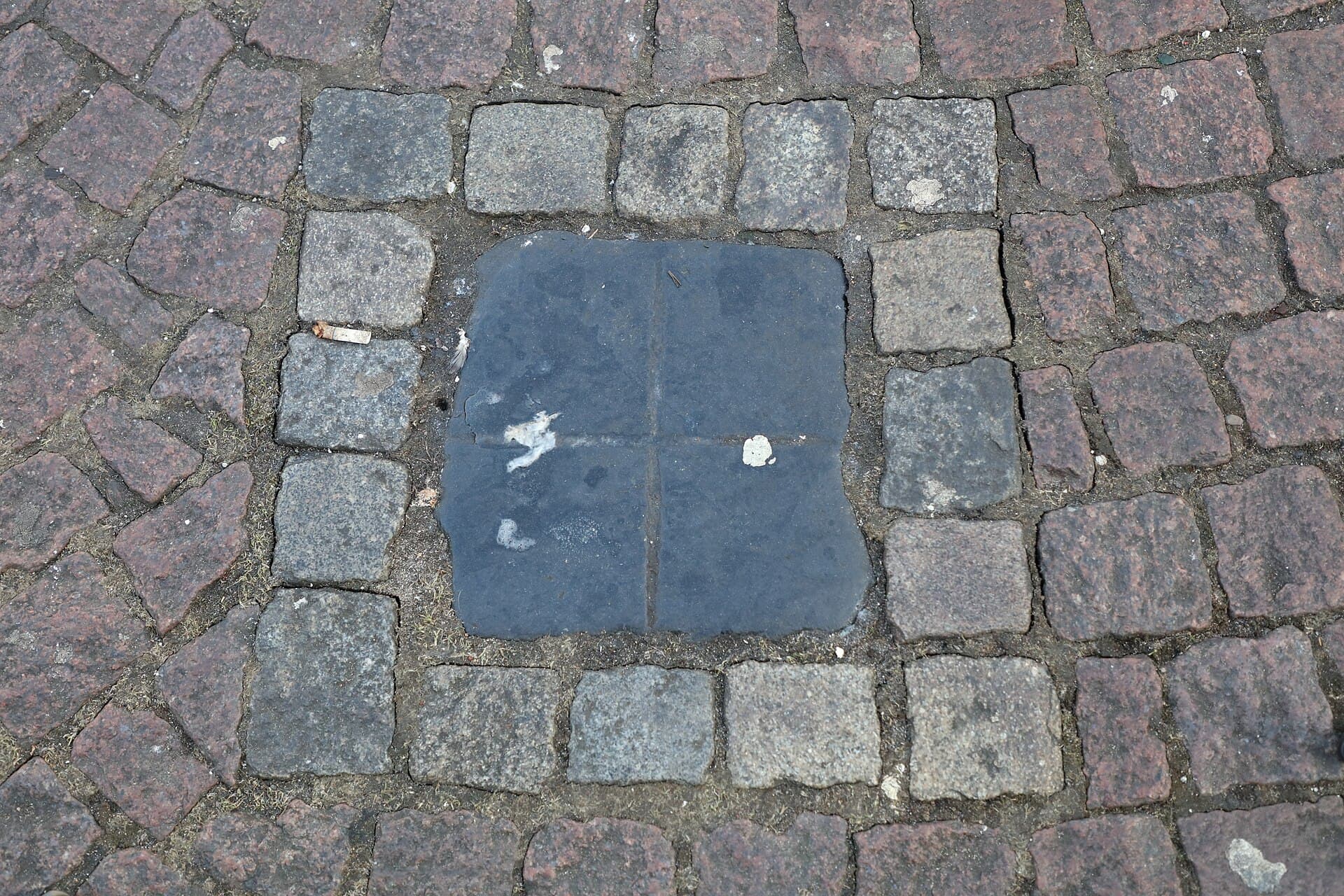
Explore the dark legacy of serial killer Gesche Gottfried at this historic spitting stone in central Bremen.
Gesche Gottfried, known as the Angel of Bremen, poisoned fifteen people with arsenic between 1813 and 1828, including family members and neighbors. She was convicted after a lengthy investigation and became the last person publicly executed by beheading in the city in 1831. The Spuckstein marks the site tied to her execution and the public’s enduring contempt for her crimes.
Unlike grand statues honoring heroes, the Spuckstein serves as a stark reminder of one of northern Germany’s most infamous criminal cases. Locals and visitors have long observed the tradition of spitting on the stone as an act of rejection, turning the site into a living piece of folk memory rather than a conventional memorial.
The monument sits in a central Bremen location easily reached on foot from the main squares. The simple stone stands low to the ground, allowing close inspection while encouraging quiet reflection on the victims rather than sensationalism. No barriers separate it from everyday city life, so it blends into the urban fabric.
Trams and buses stop within a few minutes’ walk of the coordinates. From Bremen Hauptbahnhof, the journey takes under fifteen minutes by public transport or about thirty minutes on foot through the historic core. Cyclists will find dedicated paths along the way.
The stone can be viewed any season, but spring and early autumn offer comfortable temperatures for combining the visit with a longer walk through the Altstadt. Summer evenings bring pleasant light for photographs, while December markets add festive context without altering the monument itself.
Allow at least an hour to absorb the story and another two to three hours for the surrounding old town.
Keep reading
Discover the story, setting, and simple pleasures of visiting this beloved Bremen landmark.
She was a Bremen resident convicted of murdering fifteen people by arsenic poisoning in the early 19th century and executed in 1831.
The name refers to the long-standing local custom of spitting on the stone as a gesture of condemnation toward Gottfriedu2019s crimes.
The site itself is small and open, but the story involves murder, so parents may wish to prepare an age-appropriate explanation.
Yes, the outdoor stone remains accessible in all seasons and requires no entry fee or opening hours.
Some Bremen walking tours focused on local history or crime stories stop here; check current offerings at the tourist information center.
This bronze bear links Berlin and Bremen through history, art, and public space in northern Germany.
Climb to Vogelnest for sweeping views across Bremen’s rooftops, the Weser River valley, and rolling countryside beyond.