
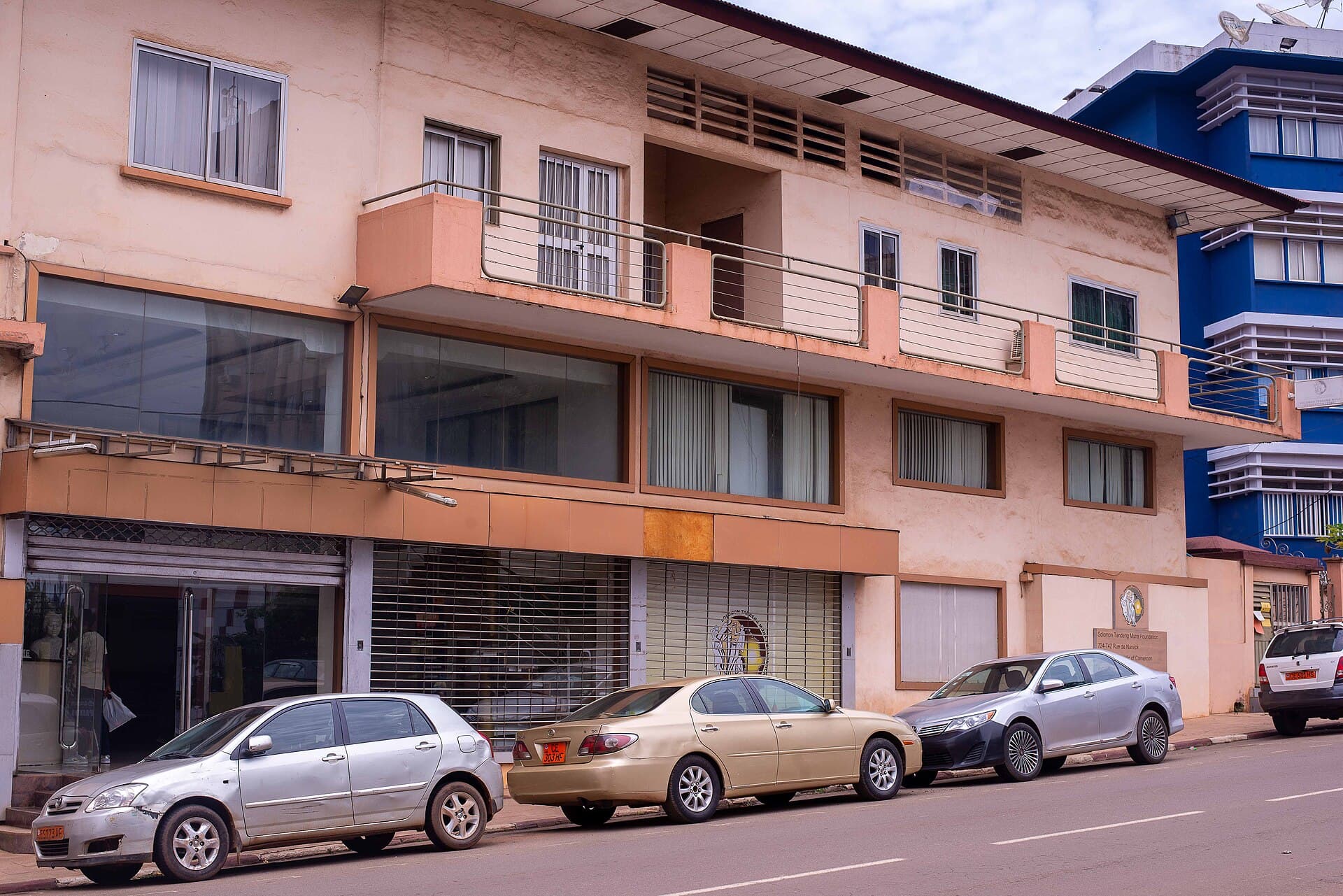
Solomon Tandeng Muna Foundation Museum: Cameroon’s Political Legacy in Yaoundé
Trace the path of Cameroonian independence and leadership through the personal archives and artifacts of statesman Solomon Tandeng Muna.
Why Visit the Solomon Tandeng Muna Foundation Museum
Located in Yaoundé’s Mfoundi district, the Solomon Tandeng Muna Foundation Museum preserves the life and work of the Cameroonian politician who helped shape the nation’s early years. Visitors gain direct insight into the negotiations that led to independence, the formation of federal structures, and the everyday realities of post-colonial governance through original documents, photographs, and personal items.
What to See and Do
The permanent displays focus on Muna’s roles in the West Cameroon government and national assembly. Expect rooms dedicated to constitutional debates, agricultural policy papers, and correspondence with other African leaders. Temporary exhibitions often highlight regional crafts or youth education programs tied to the foundation’s ongoing work. Allow time to read the handwritten notes and study the maps showing the evolution of Cameroon’s borders.
Guided Tours and Research Access
Foundation staff occasionally lead informal walkthroughs that connect specific artifacts to broader historical events. Researchers may request access to the reference library containing rare pamphlets and legislative records; advance contact through the foundation’s public channels is recommended.
Getting There
The museum sits in a residential area of Mfoundi easily reached by shared taxis or motorcycle taxis from central Yaoundé landmarks such as the post office roundabout. Visitors arriving by private vehicle will find limited on-site parking; street parking is usually available nearby. The coordinates 3.8701594, 11.5167090 place it within a short ride from the city’s main administrative district.
Best Time to Visit
Yaoundé’s drier months from November to February offer the most comfortable conditions for walking between the museum and nearby sites. Cultural events and foundation lectures tend to cluster around national holidays, providing additional context for the exhibits without requiring extra planning.
Nearby Attractions
- The National Museum of Cameroon, which covers pre-colonial kingdoms and contemporary art.
- Mvog-Betsi Zoo, a short distance away for families combining history with nature.
- Local markets selling woven goods and spices that reflect the agricultural themes present in Muna’s papers.
Visitor tips
- Combine your visit with the National Museum to compare federal-era documents with earlier archaeological collections.
- Wear modest clothing and speak quietly; the space functions partly as a research library.
- Carry water and small bills for transport; the surrounding neighborhood has few tourist services.
Frequently asked questions
How long should I plan to spend at the museum?
Most visitors find two hours sufficient to view the main rooms and read key panels; researchers often stay longer.
Is the museum suitable for children?
Older students interested in history appreciate the primary sources; younger children may find the text-heavy displays less engaging.
Can I take photographs inside?
Photography is generally permitted in the exhibition spaces but restricted in the research library; always ask staff first.
Are there facilities for visitors with limited mobility?
The building has ground-floor access to most displays, though some archival areas involve stairs.
What languages are used in the exhibits?
Labels appear in French and English, reflecting Cameroonu2019s bilingual heritage and Munau2019s own career.