
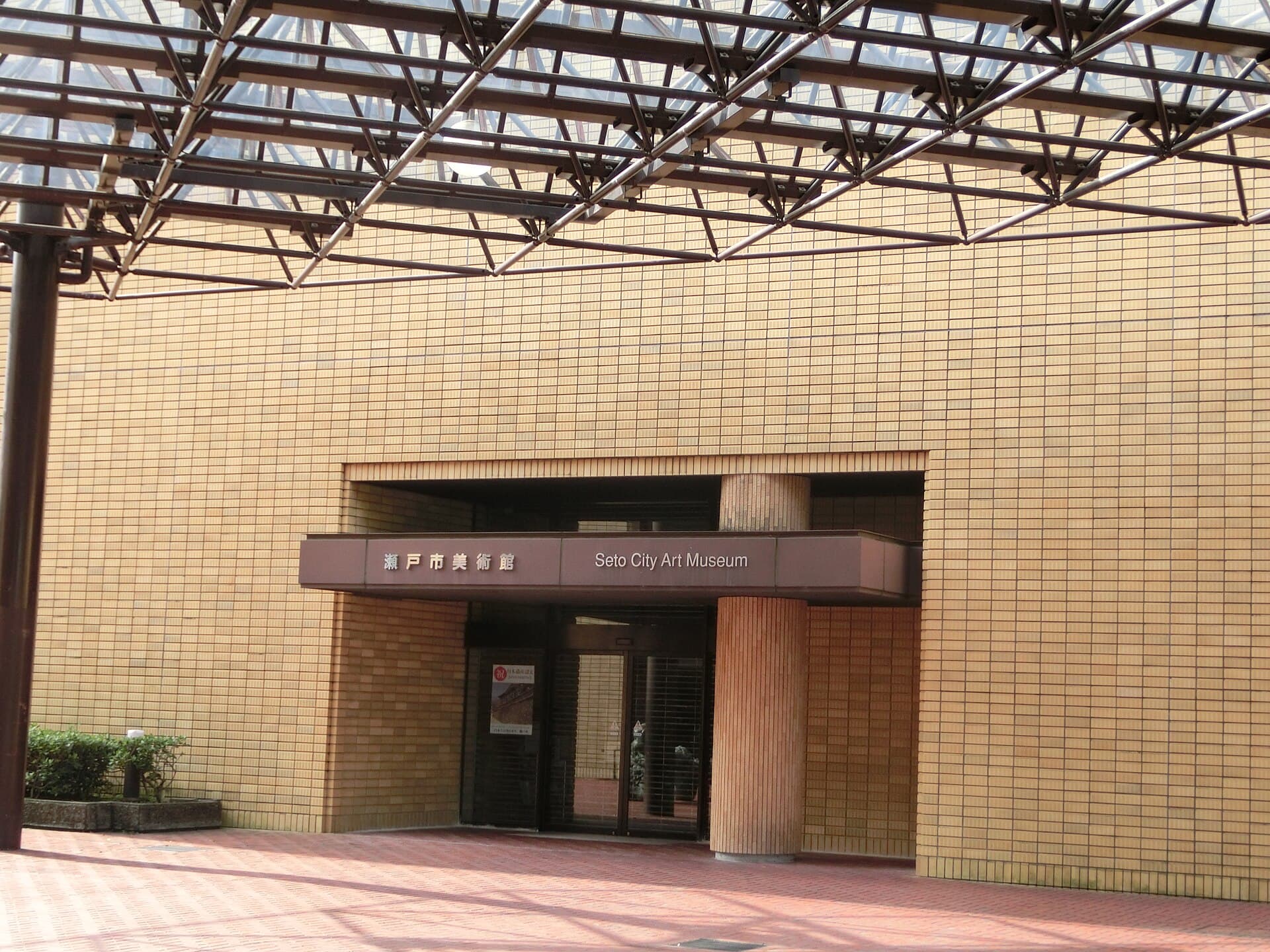
Seto City Art Museum: A Deep Dive into Japan’s Ceramic Heartland
Experience centuries of Seto ware and regional artistry at this focused museum in Aichi Prefecture.
Discovering Seto’s Ceramic Legacy
Seto City Art Museum stands in the heart of one of Japan’s oldest pottery districts, where clay has been fired for over a thousand years. The museum presents the evolution of Seto ware from medieval stoneware to refined Edo-period porcelain and contemporary studio ceramics. Visitors gain a clear understanding of how local clay, wood-ash glazes, and kiln techniques shaped both daily utensils and high art.
Highlights of the Collection
Permanent galleries trace the development of Seto ceramics through excavated shards, reconstructed kilns, and finished vessels. Key pieces include 14th-century Kamakura-period jars, vibrant 17th-century Oribe ware, and delicate 19th-century porcelain tableware. Temporary exhibitions rotate works by living Seto potters alongside national ceramic artists, often pairing historic forms with modern interpretations. A small outdoor courtyard displays large garden ornaments and kiln remnants that illustrate traditional firing methods.
Visiting the Museum
The building itself is modest and functional, designed to keep attention on the objects. Ground-floor galleries flow into a research library where visitors can examine pattern books and glaze recipes. Upstairs spaces host workshops on wheel-throwing and glazing during certain periods. The museum shop stocks contemporary Seto ware ranging from everyday bowls to sculptural pieces, offering direct support to local makers.
Getting There
Seto City lies northeast of Nagoya. From Nagoya Station, the Meitetsu Line reaches Owari-Seto Station in roughly 30 minutes; a short bus or taxi ride then connects to the museum. Drivers can use the Tokai-Hokuriku Expressway and park in the adjacent lot. The surrounding streets still contain working kilns and pottery studios, so many travelers combine the museum visit with a walking tour of the old pottery district.
When to Go
Spring and autumn deliver the most comfortable temperatures for exploring both the museum and nearby outdoor sites. The Seto pottery festival in early November fills the streets with kilns, markets, and demonstrations, providing extra context for what is seen inside the galleries. Summer humidity can make indoor viewing more appealing, while winter offers fewer crowds and crisp light for studying glaze surfaces.
Nearby Attractions
- The Seto Gura Museum, located in a former warehouse, focuses on industrial pottery history and offers hands-on clay experiences.
- Local climbing kilns (noborigama) still active on the hillsides can sometimes be visited by appointment.
- A short drive leads to the Aichi Prefectural Ceramic Museum in nearby Tajimi, allowing a full day comparing Seto and Mino traditions.
Visitor tips
- Wear comfortable shoes; the museum is compact but the surrounding pottery district rewards walking between studios and old kiln sites.
- Allow at least two hours inside and another hour for the adjacent historic streets if you want to see working potters.
- Bring cash for the museum shop; many smaller potters accept only cash for direct purchases.
Frequently asked questions
How long does a typical visit take?
Most visitors spend 90 minutes to two hours viewing the permanent collection and any temporary exhibitions.
Is the museum suitable for children?
Yes, the galleries are accessible and the tactile nature of ceramics interests many young visitors, though no dedicated childrenu2019s programs run year-round.
Can I buy authentic Seto ware at the museum?
The shop sells pieces from contemporary local potters; prices range from modest bowls to larger sculptural works.
Are English explanations available?
Some key labels include English, and the overall visual nature of the ceramics makes the collection accessible even without full translation.
Is photography allowed inside?
Non-flash photography is generally permitted in permanent galleries but restricted during certain temporary exhibitions; always check posted signs.