
Serranía de La Lindosa: Colombia’s Prehistoric Rock-Art Mountains
Explore the ancient petroglyphs, dramatic sandstone formations, and Amazonian biodiversity of this remote Guaviare range.
Why Serranía de La Lindosa Stands Out
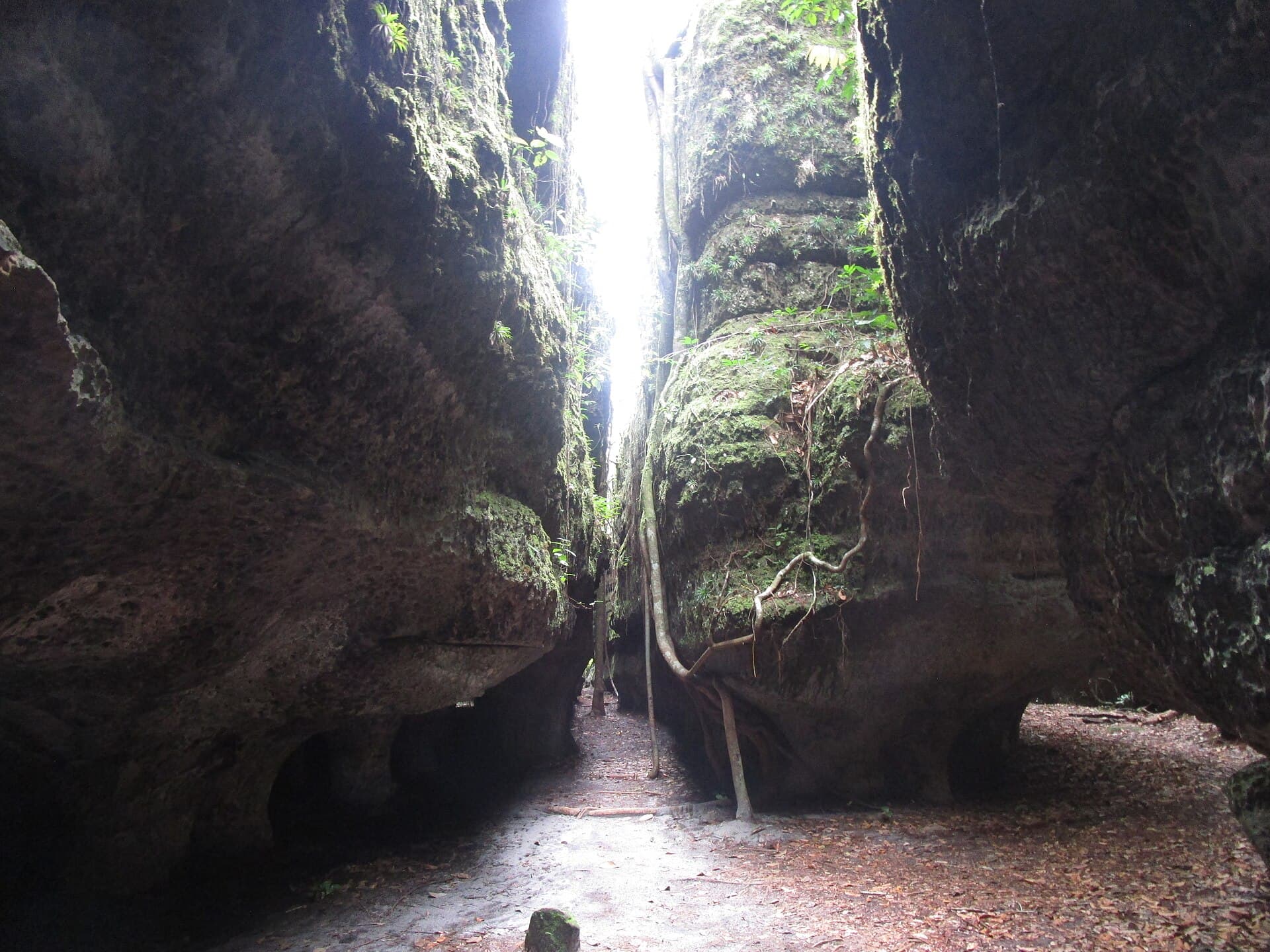
This isolated mountain chain in Colombia’s Guaviare Department preserves one of the largest concentrations of prehistoric rock art in the Americas. Thousands of ochre paintings—some estimated at more than 12,000 years old—cover sandstone cliffs and overhangs, depicting extinct megafauna, hunting scenes, and geometric motifs. The landscape itself is striking: sheer inselbergs rise from tropical savanna, creating microclimates that support orchids, bromeliads, and troops of howler monkeys.
What to See and Do
Rock-Art Sites
Local guides lead visitors along marked trails to the most accessible panels. Expect to walk 30–90 minutes over uneven ground to reach overhangs where painted figures remain vivid despite centuries of exposure. Bring binoculars for distant friezes visible only from the valley floor.
Hiking and Viewpoints
Short but steep trails climb to natural lookouts offering sweeping views across the Guaviare savanna toward the Serranía de Chiribiquete. Dawn hikes are cooler and increase chances of spotting capybaras or macaws.
River and Forest Excursions
Combine a mountain visit with a half-day boat trip on the Guaviare River to observe river dolphins and riverbank birds. Some operators offer overnight camping beneath the rock shelters with permission from local communities.
Getting There
Most travelers fly into San José del Guaviare, the departmental capital. From there, four-wheel-drive vehicles or boats reach trailheads in 45–90 minutes depending on river levels. Independent travel is difficult; nearly all visitors join organized day or multi-day tours arranged through San José operators who supply licensed local guides and entry permissions.
Best Time to Visit
The drier months from December to March offer the most reliable access and clearer skies for photography. April–November brings heavier rains that can make trails slippery and some rock-art sites temporarily unreachable. Regardless of season, bring lightweight rain gear and expect high humidity.
Nearby Attractions
- The town of San José del Guaviare provides basic lodging, restaurants, and a small archaeological museum.
- Further west, the vast Chiribiquete National Park offers additional rock-art sites, though access is strictly controlled and usually requires multi-day expeditions.
- Eastward, the Caño Cristales river displays its famous “liquid rainbow” colors during the wet-to-dry transition, making a logical extension for travelers already in Guaviare.
Visitor tips
- Hire only accredited local guides through San Josu00e9 operators; the terrain is remote and cell coverage is nonexistent once you leave the main road.
- Wear sturdy hiking shoes, long sleeves, and insect repellent; trails cross both rocky outcrops and grassy savanna where ticks and mosquitoes are common.
- Carry cash in Colombian pesos; there are no ATMs or card facilities at the trailheads or in nearby communities.
Frequently asked questions
How many days should I allocate for Serranu00eda de La Lindosa?
A single full day is enough to visit the main rock-art panels and viewpoints, but two days allow time for a river excursion and more relaxed pacing.
Is the site suitable for children or older travelers?
The shorter, flatter trails to the first panels are manageable for fit children and seniors, but longer hikes involve steep, rocky sections best avoided by those with mobility concerns.
Do I need a permit in advance?
Permits are handled by licensed tour operators in San Josu00e9 del Guaviare; individual travelers cannot obtain them directly at the site.
What should I pack for a day trip?
Light rain jacket, sturdy shoes, at least two liters of water, sun protection, and a small daypack. Leave drones and tripods behind unless pre-approved by your guide.
Are there restrooms or food vendors at the site?
No facilities exist at the rock-art locations. Plan meals and restroom stops in San Josu00e9 or at the operatoru2019s base camp before departure.