
Scylletium: Walking the Greek and Roman Ruins of Scolacium Archaeological Park
Trace the layered history of this ancient colony on a hilltop overlooking the Ionian Sea in Calabria’s quiet countryside.
The Enduring Appeal of Scylletium
Founded as a Greek settlement and later developed into the Roman city of Scolacium, Scylletium offers visitors a rare chance to explore an archaeological site that remains largely free of crowds. Its elevated position above the Gulf of Squillace provides sweeping views across olive groves and the sea, while the surviving structures reveal centuries of Mediterranean history in one compact area.
What to See and Do
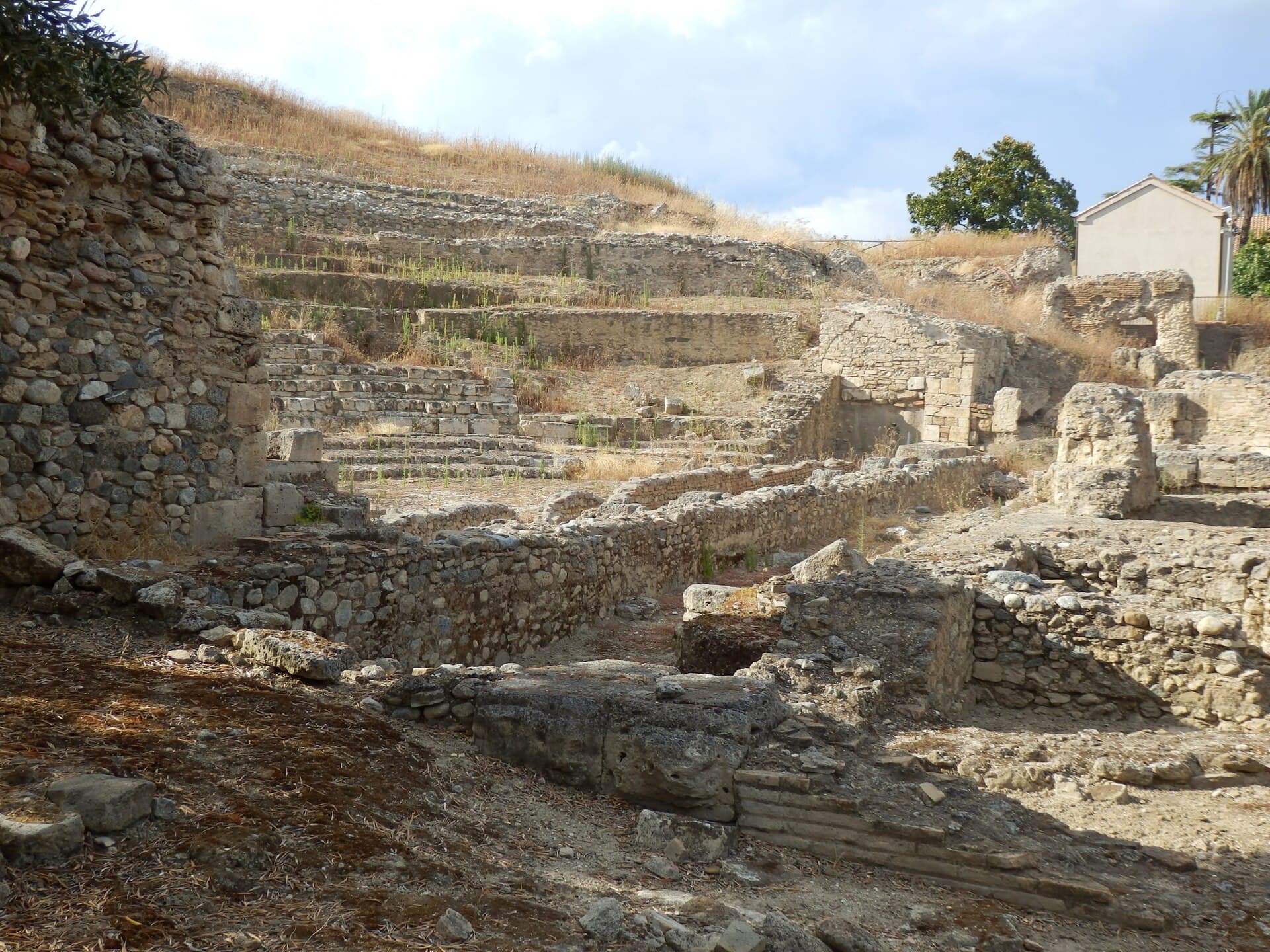
Begin at the entrance path that leads past scattered marble fragments and the outline of the Roman forum. The most striking feature is the well-preserved theater, its stone seating still facing the stage area where performances once took place. Nearby stand the remains of thermal baths, their hypocaust systems and mosaic fragments visible under protective shelters. Further along the site, sections of the aqueduct and city walls illustrate Roman engineering adapted to the hilly terrain.
Allow time to walk the perimeter paths that circle the acropolis; from here the layout of the ancient streets becomes clear. Informative panels in Italian and English help visitors understand how the city evolved from its Greek origins through Roman expansion and eventual decline. Photographers find the best light in the late afternoon when the low sun highlights the warm stone against the blue sea below.
Practical Visiting Advice
The site is best explored on foot, so wear sturdy shoes for uneven ground and gravel paths. Summer visitors should start early to avoid heat; spring and autumn bring milder temperatures and wildflowers among the ruins. Combine a visit with a stop at the small on-site museum that displays pottery, coins, and inscriptions unearthed here.
Getting There
Scylletium lies a short drive from Catanzaro Lido or the main Catanzaro railway station. Regional trains reach Catanzaro Lido, after which a local bus or taxi covers the remaining distance to the archaeological park entrance. Drivers coming from Lamezia Terme Airport follow the A2 motorway south then take the coastal road toward Borgia. The site sits within easy reach of the SS106 state road, making it convenient for those touring Calabria’s Ionian coast.
Best Time to Visit and Nearby Attractions
April through June and September through October offer comfortable conditions for walking the ruins without the intense summer sun. Nearby, the beaches of Copanello and the hill town of Squillace provide contrast after a morning among the stones. Further afield, the Greek ruins at Locri Epizefiri and the Norman cathedral in Catanzaro make logical extensions for a full day of exploration.
Visitor tips
- Wear sturdy walking shoes and bring sun protection; paths are uneven and largely unshaded.
- Visit early in the morning or late afternoon for softer light and fewer visitors during peak season.
- Pair the site with a coastal lunch in nearby Catanzaro Lido to experience both ancient and modern Calabria in one day.
Frequently asked questions
What is the main attraction at Scylletium?
The Roman theater and the remains of the forum and baths are the highlights, set against panoramic views of the Ionian Sea.
How long should I plan to spend at the archaeological site?
Most visitors spend one to two hours walking the paths and viewing the main structures; allow extra time for the small museum.
Is Scylletium suitable for children?
Yes, the open spaces and visible ruins interest many young visitors, though the uneven terrain requires supervision.
Can I reach Scylletium without a car?
Trains run to Catanzaro Lido, then local buses or a short taxi ride complete the journey; schedules are more frequent in summer.
Are there any other ancient sites nearby?
Locri Epizefiri lies further south along the coast, while smaller Roman remains can be found near the town of Squillace.