
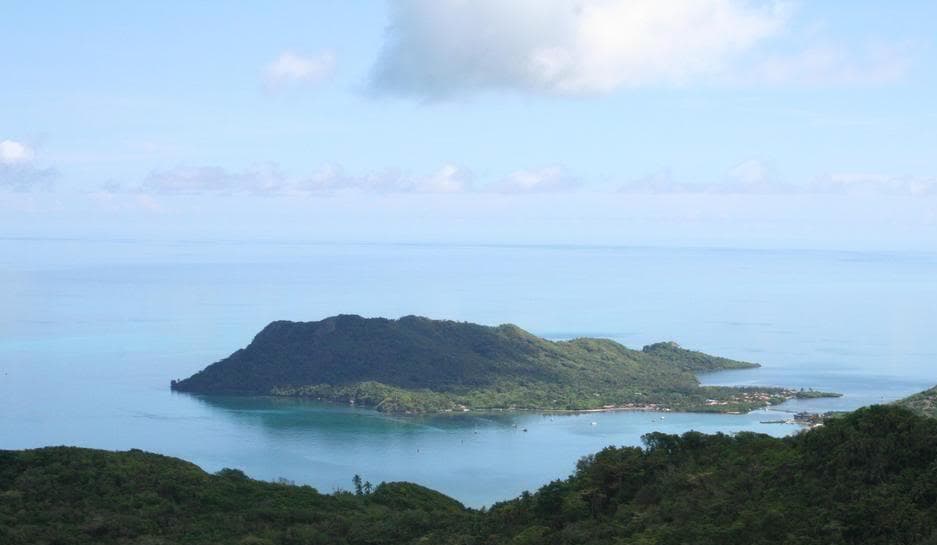
Santa Catalina Island: Colombia’s Quiet Caribbean Paradise
Discover the unspoiled beaches, vibrant reefs, and relaxed pace of this remote island in the San Andrés Archipelago.
Why Visit Santa Catalina Island
Santa Catalina stands out for its seclusion within Colombia’s Caribbean archipelago. Unlike its busier neighbor San Andrés, this small island offers empty white-sand beaches, dense mangroves, and clear waters protected as part of the UNESCO Seaflower Biosphere Reserve. Visitors come for world-class snorkeling and diving along the island’s fringing reefs, hiking through coastal forest, and the chance to spot sea turtles and colorful parrotfish without crowds.
Getting There
Most travelers fly into San Andrés International Airport, then take a 90-minute scheduled boat or a faster water taxi from the main dock in San Andrés town. A few direct flights land at Providencia’s small airstrip; from there a 30-minute ferry crosses the channel to Santa Catalina. Pack light—roads are narrow and baggage space on boats is limited.
Best Time to Visit
The driest months run from December through April, bringing calm seas ideal for diving and hiking. May to November sees occasional showers but fewer visitors and lower boat fares. Hurricane season peaks in September and October, so check forecasts before travel.
What to See and Do
Start at the historic lighthouse on the island’s northern tip for panoramic views. Snorkel or dive the “Blue Hole” and “East Reef,” both reachable by short boat ride. Hike the coastal trail to Bahía Sardina for swimming in turquoise water. Rent a kayak to explore the mangrove channels, or join a local guide for a night turtle walk during nesting season. Fresh seafood at beachside shacks and fresh coconut water complete the day.
Nearby Attractions
A short boat ride reaches Providencia Island for the famous “Old Providence” crab migration and more rugged hiking. The surrounding cays of Johnny Cay and Haynes Cay offer additional snorkeling stops on the return journey to San Andrés.
Practical Considerations
Bring reef-safe sunscreen, cash (few ATMs exist), and sturdy water shoes for rocky entries. Mobile coverage is spotty outside the main settlement, so download offline maps. Respect local fishing zones and leave no trace on the beaches and reefs.
Visitor tips
- Book boat transfers in advance during high season to guarantee a seat on the limited daily departures.
- Carry small-denomination Colombian pesos for water taxis and beach vendors, as card acceptance is rare.
- Stay at least two nights to enjoy both daytime reefs and the islandu2019s quiet evenings without rushing back to San Andru00e9s.
Frequently asked questions
How do I get from San Andru00e9s to Santa Catalina Island?
Take a scheduled boat or water taxi from San Andru00e9s main dock; the trip takes about 90 minutes and runs several times daily.
What is the best time of year to visit Santa Catalina?
December through April offers the calmest seas and driest weather, perfect for snorkeling and hiking.
Are there hotels on Santa Catalina Island?
Options are limited to small guesthouses and eco-lodges; most visitors stay in basic but comfortable beach cottages.
Do I need a visa to visit Santa Catalina?
Most nationalities receive a 90-day tourist stamp on arrival in Colombia; no additional permit is required for the island.
What marine activities are available?
Snorkeling, scuba diving, kayaking through mangroves, and seasonal sea-turtle spotting are the main draws.