
Keep reading
Nearby & related
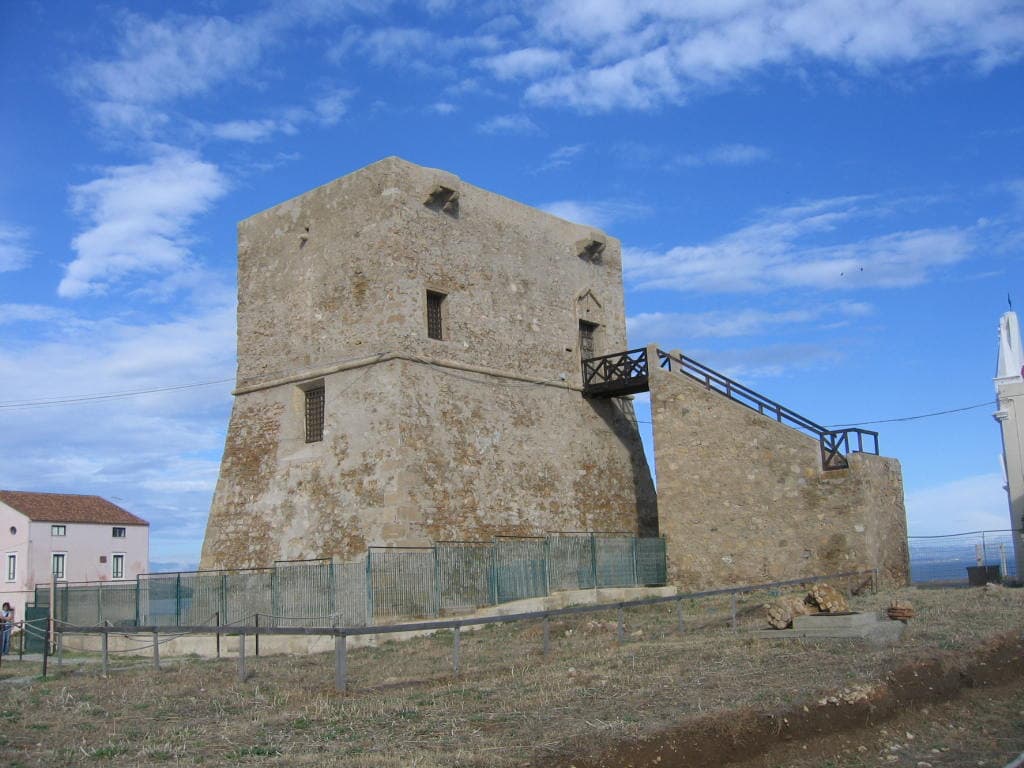
Cape Nao Tower: Calabria’s Historic Coastal Sentinel Near Crotone
Climb to this 16th-century watchtower for sweeping Ionian Sea views and a glimpse into Calabria’s maritime past.
18 October 2026
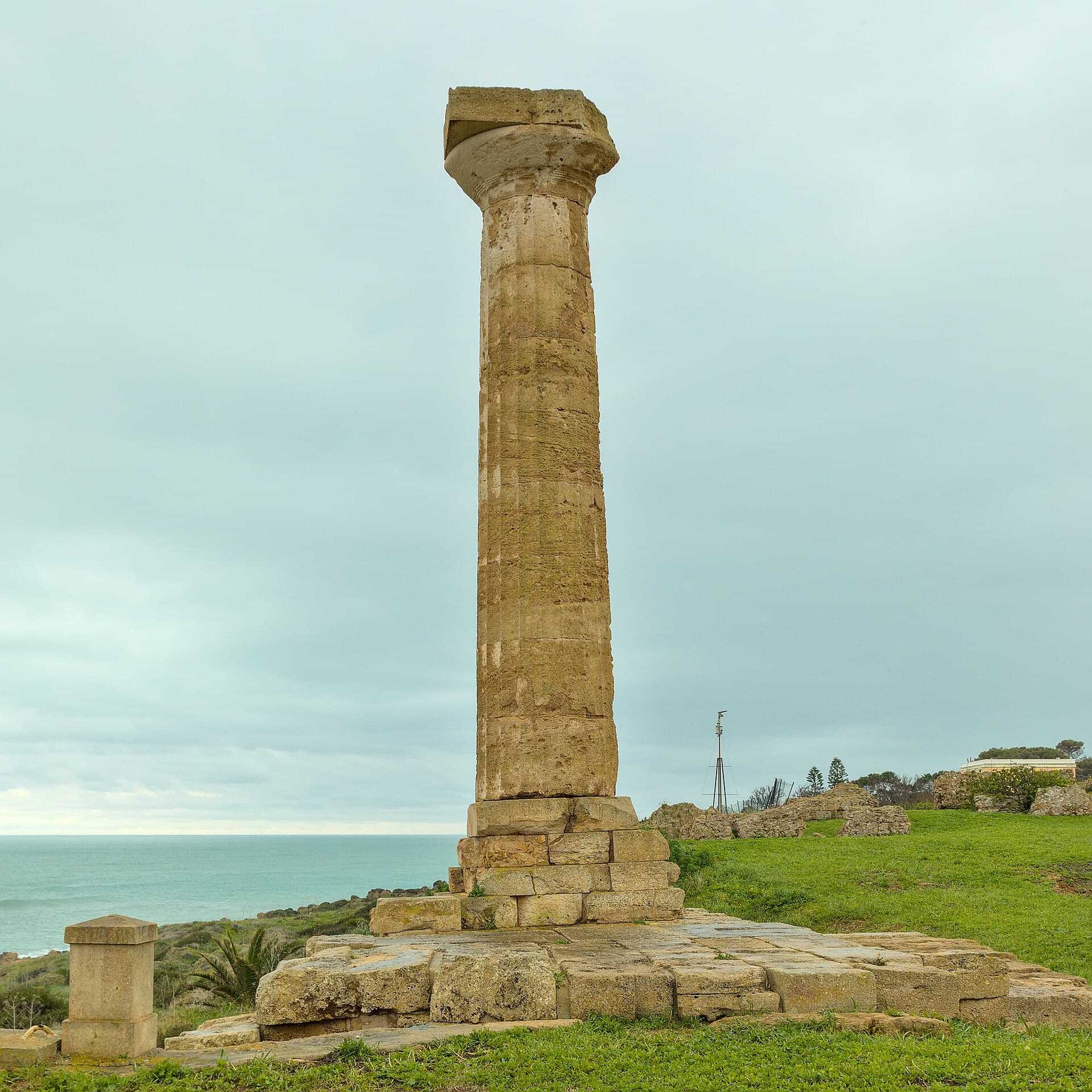
Visit the dramatic cliffside ruins of this 6th-century BC temple near Crotone, a powerful remnant of Magna Graecia overlooking the Ionian Sea.
Perched on a windswept promontory known as Capo Colonna, the Sanctuary of Hera Lacinia stands as one of southern Italy’s most evocative ancient Greek sites. Founded in the sixth century BC by colonists from Achaea, the sanctuary served as a major religious and political center for the city of Kroton. Its location on the easternmost point of Calabria made it a navigational landmark for sailors and a focal point for pilgrims traveling by sea.
Only one towering Doric column survives from the original temple, its fluted shaft rising 8 meters above the rocky ground. Scattered foundations, altar bases, and sections of the temenos wall trace the outlines of the sacred precinct. The sea has eroded the cliff edge over centuries, leaving the column dramatically close to the water. Informative panels explain the layout of the temple, the rituals dedicated to Hera Lacinia, and the site’s role in Kroton’s rivalry with neighboring Greek cities.
Walk the short interpretive path that circles the column and adjacent foundations. The open setting allows visitors to appreciate how the sanctuary dominated the coastal plain. On clear days the view stretches south toward Punta Stilo and north along the Calabrian shore. The surrounding maquis vegetation and occasional wild orchids add seasonal color to the archaeological landscape.
The sanctuary lies roughly 11 kilometers southeast of Crotone’s historic center. Drivers follow the coastal SP106 road, turning onto the access lane that leads directly to the parking area beside the ruins. Local buses run seasonally from Crotone’s main station to Capo Colonna; the ride offers views of the rocky coastline. Taxis and private transfers are readily available for those preferring not to drive.
Spring (April–June) and autumn (September–October) provide mild temperatures and fewer crowds. Summer visits are possible but require sun protection and ample water due to the exposed terrain. Winter days can be windy yet rewarding for photographers seeking dramatic light over the column and sea.
Most visitors spend 45 to 90 minutes walking the grounds and reading the interpretive panels.
The terrain is mostly flat but uneven; the main path is manageable for strollers and those with moderate mobility, though wheelchairs may find sections challenging.
Yes. Several small beaches lie within a short drive north or south of Capo Colonna, making it easy to pair the ruins with a swim.
Local guides can be arranged through Crotoneu2019s tourism office or hotels; self-guided visits with the on-site panels are also informative.
Comfortable walking shoes, a hat, and layers for wind are recommended year-round.
Keep reading
Climb to this 16th-century watchtower for sweeping Ionian Sea views and a glimpse into Calabria’s maritime past.