History of San Joaquin Castle
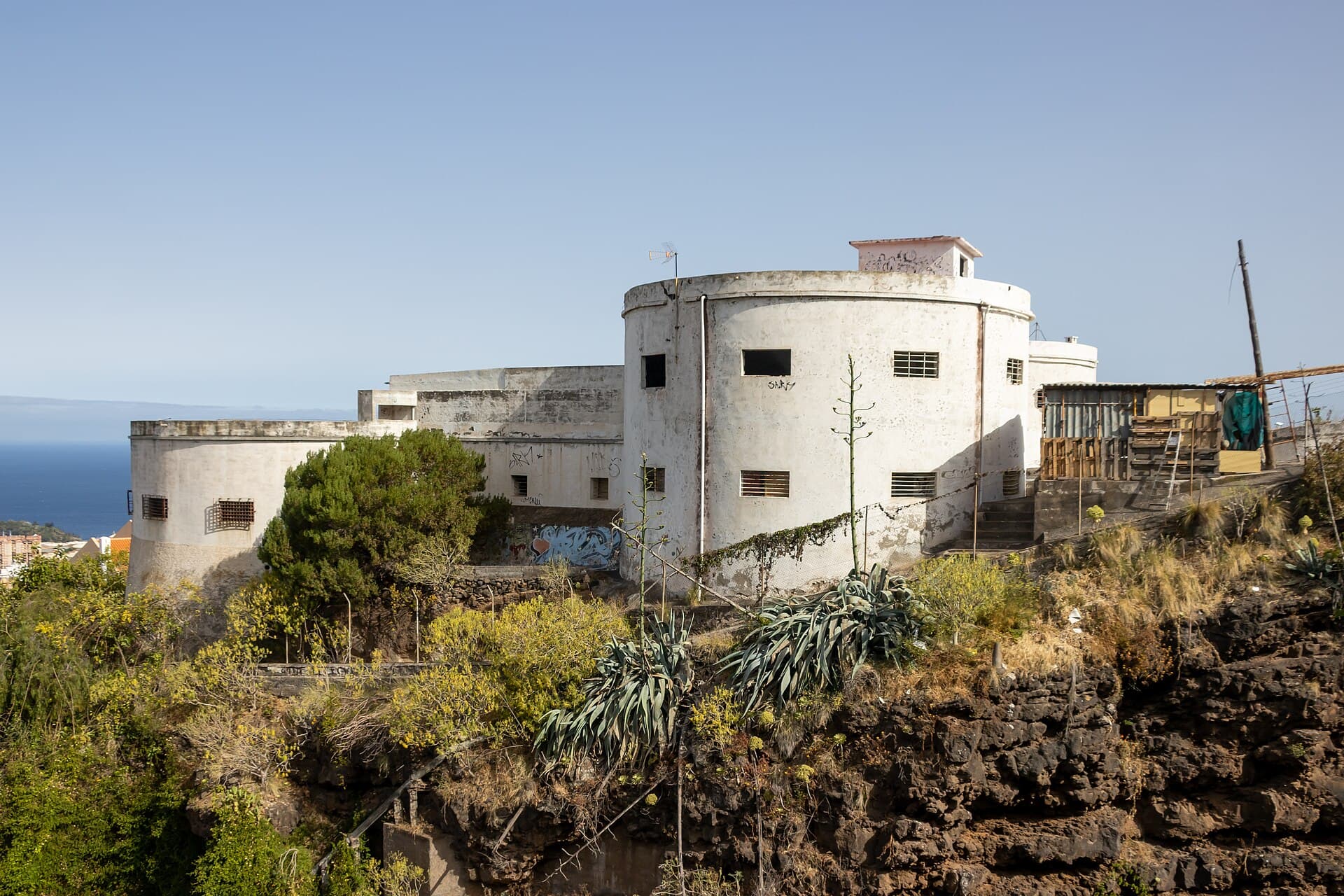
Built in the mid-18th century as part of Spain’s efforts to fortify its Atlantic outposts, San Joaquin Castle guarded the approaches to Santa Cruz de Tenerife against pirate raids and rival navies. Its low, angular stone walls and embrasures reflect the era’s bastion design, optimized for cannon fire along the rugged coastline. The fort played a supporting role during the 1797 British attack led by Nelson, though the main action centered on nearby batteries.
Exploring the Site Today
Visitors can walk the surviving ramparts and peer through gun ports at the endless ocean horizon. The compact layout includes a central courtyard, powder magazine remnants, and interpretive panels detailing its construction. The elevated position delivers unobstructed views toward the Anaga mountains and passing cruise ships, making it a rewarding stop for photographers and history enthusiasts alike.
What to See and Do
- Trace the star-shaped perimeter on foot for a sense of 18th-century military engineering.
- Enjoy panoramic Atlantic vistas and watch for dolphins in the channel.
- Combine the visit with a short hike along the coastal path that links to other defensive sites.
How to Get There
The castle sits on a headland roughly 10 kilometers east of central Santa Cruz. Rent a car for flexibility, or take the local bus line that stops at the nearby village of San Andrés before a 15-minute uphill walk. Taxis from the cruise terminal or Tenerife North Airport provide another straightforward option.
Best Time to Visit
Spring (March–May) and autumn (September–November) bring mild temperatures and fewer crowds. Summer mornings offer the clearest light for photography, while winter visits can coincide with dramatic Atlantic swells. Avoid midday in July and August when the stone surfaces radiate heat.
Nearby Attractions
Combine your trip with the larger Castillo de San Cristóbal in Santa Cruz harbor, the historic streets of La Laguna (a UNESCO site 20 minutes inland), or the black-sand beaches of Las Teresitas just below the fort. The Anaga Rural Park’s laurel forests lie a short drive farther northeast for hikers seeking contrast to the coastal fortifications.