
Salar de Coipasa: Bolivia’s Remote Salt Flat Wilderness
Explore the vast, uncrowded salt flats of Salar de Coipasa in Bolivia’s Oruro region for dramatic Andean scenery and rare wildlife encounters.
Why Visit Salar de Coipasa
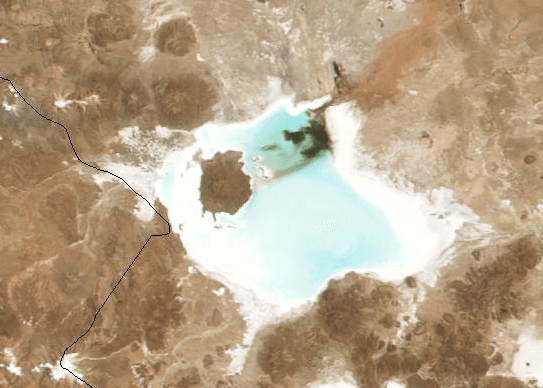
Salar de Coipasa offers a raw, untouched alternative to Bolivia’s more famous salt flats. This high-altitude salt lake covers roughly 2,000 square kilometers of blinding white crust, surrounded by volcanic peaks and pink flamingo lagoons. Its isolation preserves a sense of wilderness that larger tourist sites lack, with mirror-like reflections after rare rains and endless horizons broken only by distant volcanoes.
Getting There
Most visitors reach Salar de Coipasa by 4×4 from Uyuni, roughly 200 kilometers northwest, or from the city of Oruro via the town of Coipasa. The journey crosses high desert roads that demand experienced drivers and sturdy vehicles; many travelers join organized expeditions that combine the salar with nearby salt flats and villages. Public transport is limited, so independent access requires advance planning and local knowledge of seasonal road conditions.
Best Time to Visit
The dry season from May to October brings stable weather and the brightest salt crust. December to March can produce shallow water layers that create spectacular reflections, yet rains often render access roads impassable. Early morning or late afternoon visits reward photographers with golden light across the flats and active flamingo feeding grounds.
What to See and Do
Walk across the endless salt polygons and observe Andean flamingos at the edges of shallow lagoons. Climb the low hills around the salar for panoramic views of Volcán Tunupa and the distant Chilean border volcanoes. Nearby villages offer glimpses of traditional Aymara life and salt-harvesting techniques still practiced today. Birdwatchers can spot vicuñas and rheas on the surrounding pampas, while photographers find endless compositions of sky, salt, and mountain silhouettes.
Nearby Attractions
Combine a visit with Salar de Uyuni to the southeast or the smaller Salar de Empexa to the west. The village of Coipasa provides basic lodging and serves as a gateway to hot springs and pre-Columbian ruins scattered across the altiplano. Further afield, the Eduardo Avaroa Andean Fauna National Reserve offers geysers, colorful lagoons, and more extreme desert landscapes.
Visitor tips
- Hire a local driver familiar with unmarked salt-flat routes and sudden weather changes.
- Carry extra fuel, water, and layers for temperature swings that can exceed 30 degrees Celsius in a single day.
- Respect fragile salt crust and wildlife by staying on established tracks and maintaining distance from nesting flamingos.
Frequently asked questions
How far is Salar de Coipasa from Uyuni?
The drive from Uyuni typically takes six to eight hours over rough roads, depending on vehicle and weather.
Can I visit Salar de Coipasa without a tour?
Independent travel is possible but challenging due to limited signage and seasonal road access; most visitors join guided 4x4 expeditions.
Are there flamingos at Salar de Coipasa?
Yes, Andean and Chilean flamingos frequent the shallow lagoons around the salar edges, especially during the wetter months.
What should I pack for a day on the salt flats?
Sunscreen, sunglasses, a hat, plenty of water, and warm layers are essential, along with sturdy shoes for walking on the salt crust.
Is Salar de Coipasa suitable for photography?
The salar offers striking reflections, vast white horizons, and volcanic backdrops that make it a favorite for landscape photographers, particularly at sunrise and sunset.