Skip to content
Plan & Tour
DestinationsItinerariesTravel BlogAboutContact
0Sign inPlan a trip
Plan & TourPlan & Tour

Travel guides, destination inspiration and curated itineraries for Canada, the USA and beyond, plus a free tool to plan your own day-by-day trip.

Get travel inspiration

Explore

  • All Destinations
  • Curated Itineraries
  • Travel Blog
  • Plan a Trip

Topics

  • Hiking & Nature
  • Food & Drink
  • City Breaks
  • Budget Travel

Company

  • About Us
  • Contact
  • Privacy Policy
  • Terms of Service

© 2026 Plan & Tour. Built for travellers.

Discover the world, one trip at a time.

Sal Island, Cape Verde: Windswept Beaches and World-Class Water Sports
  1. Home
  2. Destinations
  3. Sal
  4. Sal Island, Cape Verde: Windswept Beaches and World-Class Water Sports
Island

Sal Island, Cape Verde: Windswept Beaches and World-Class Water Sports

Sal delivers consistent Atlantic trade winds, miles of white-sand shoreline, and a relaxed Cape Verdean pace ideal for surfers and beach lovers.

SalUpdated 23 November 2026

Why Sal Stands Out

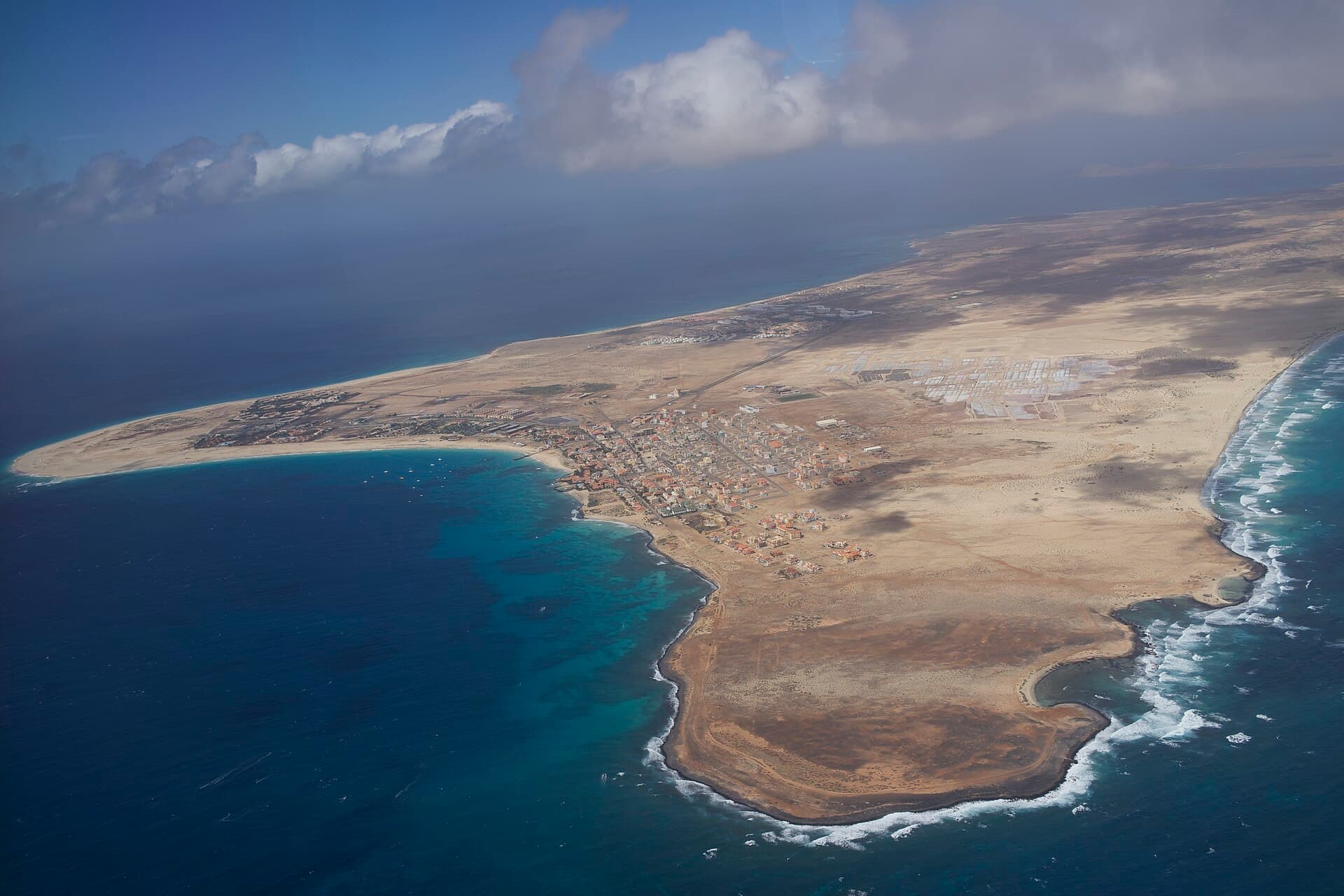
Sal is the flattest and easternmost of Cape Verde’s islands, shaped by ancient volcanic activity and steady ocean winds. Its low, arid landscape contrasts with dramatic turquoise bays and long stretches of sand that draw windsurfers, kitesurfers, and families seeking simple beach time. The island’s small size makes it easy to combine active days on the water with quiet evenings in Santa Maria, the main tourist hub.

Getting There

Most visitors arrive at Amílcar Cabral International Airport, which handles direct flights from Europe and connections via Praia or Dakar. From the airport, taxis and hotel shuttles reach Santa Maria in about ten minutes. Ferries and domestic flights link Sal to neighboring islands such as Boa Vista and São Vicente when day trips or onward travel are planned.

Best Time to Visit

Trade winds blow strongest from November to June, creating ideal conditions for wind sports while keeping temperatures comfortable. July to October brings calmer seas and warmer water, suiting snorkeling and swimming, though occasional dust from the Sahara can haze the horizon. Rain is rare year-round, so crowds depend more on European holiday schedules than weather.

Things to Do

Beaches and Water Sports

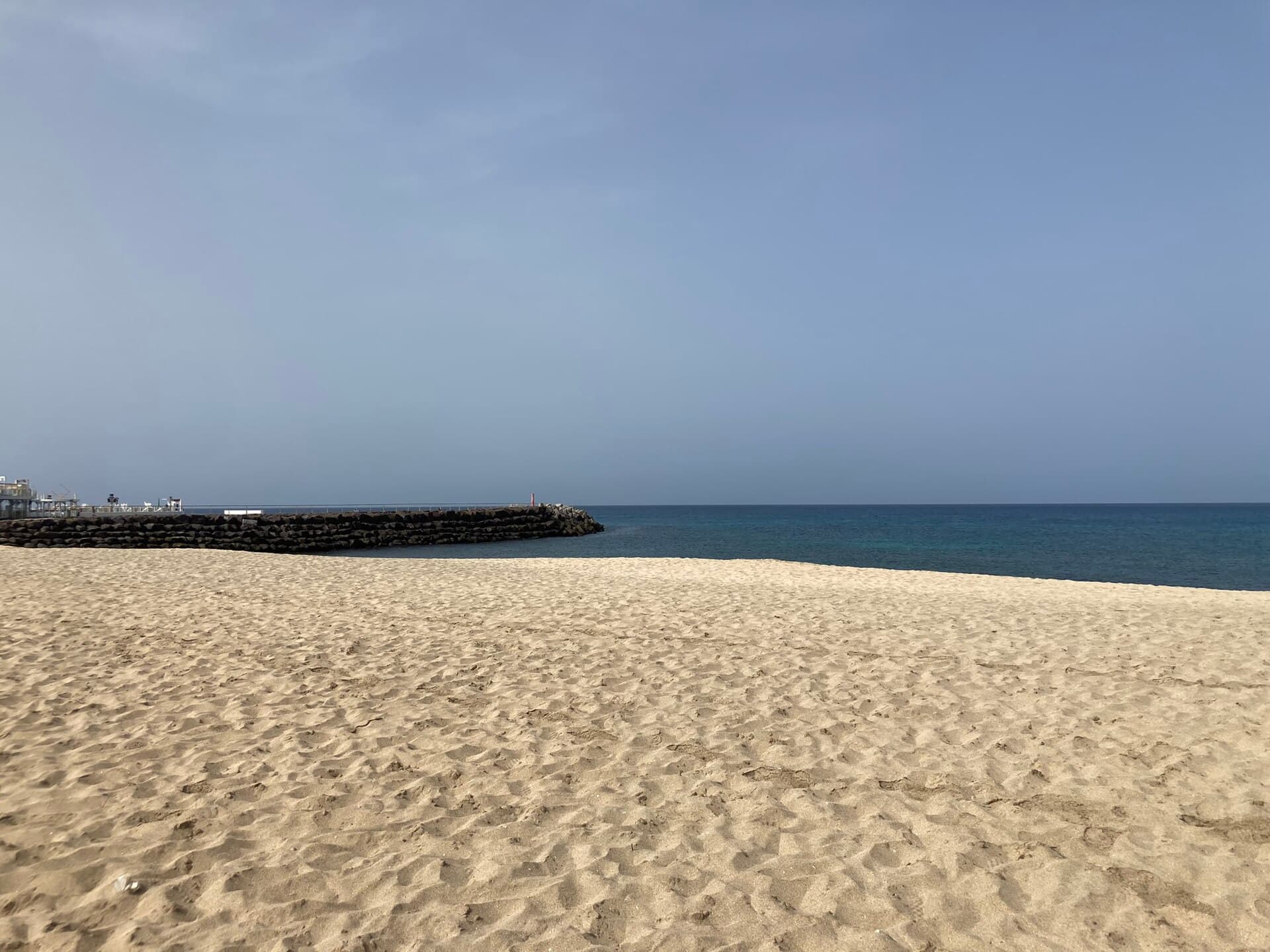
Praia de Santa Maria offers a wide, gently shelving beach perfect for beginners learning to windsurf or stand-up paddle. Further north, Praia da Chave and Praia do Algodoeiro provide stronger winds and fewer people. Several centers rent equipment and offer lessons; the steady cross-shore breeze makes Sal one of the most reliable spots in the Atlantic for intermediate to advanced riders.

Exploring the Island

A short drive or taxi ride reaches the old salt pans at Pedra de Lume, where visitors can walk inside the crater and float in the hypersaline water. The fishing village of Espargos reveals everyday Cape Verdean life with its colorful market and small harbor. For a change of scenery, boat trips depart for the uninhabited islet of Ilhéu de Sal Rei to spot turtles and seabirds.

Food and Local Culture

Fresh grilled lobster, cachupa stew, and grogue sugarcane spirit appear on menus across Santa Maria. Evening strolls along the beachfront promenade reveal live morna music and local artisans selling woven baskets and lava-stone carvings.

Nearby Islands

Boa Vista lies just 50 kilometers south and offers even larger dunes and nesting sea turtles. São Vicente to the northwest provides a livelier music scene and the historic Mindelo harbor. Both are reachable by short flight or ferry, allowing easy extension of a Sal-focused trip.

Visitor tips

  • Rent a 4x4 or hire a driver if you want to reach remote beaches; many tracks are sandy and poorly signed.
  • Pack a lightweight windbreaker even in summer; the constant breeze can feel cool after sunset.
  • Book water-sport lessons in advance during peak European winter months, as popular schools fill quickly.

Frequently asked questions

Do I need a visa to visit Sal?+

Most nationalities receive a 30-day visa on arrival or can apply online in advance; always check current requirements with Cape Verde immigration.

Is English widely spoken on Sal?+

Portuguese and Cape Verdean Creole are official languages, but English is common in Santa Maria hotels, restaurants, and water-sport centers.

What is the best way to get around the island?+

Taxis and shared minibuses (aluguer) serve main routes; renting a car or scooter gives more freedom for exploring beaches and salt pans.

Are there any dangerous animals or insects on Sal?+

No venomous snakes or malaria-carrying mosquitoes; standard sun protection and basic hygiene are sufficient.

Can I combine Sal with other Cape Verde islands?+

Yes, domestic flights and occasional ferries connect Sal to Boa Vista, Su00e3o Vicente, and Santiago within an hour or two.

Share
Google Maps Apple Maps Directions

Image: Martikkk · CC BY-SA 3.0 · via Wikimedia Commons

Keep reading

Nearby & related

All stories
C
Sal

Cagarral Mountain: Hiking Sal’s Rugged Interior in Cape Verde

Traverse rocky trails to sweeping island views on this quiet volcanic peak away from Sal’s crowded beaches.

23 November 2026
Santa Maria Beach on Sal: Cape Verde’s Lively Shoreline Escape
Sal

Santa Maria Beach on Sal: Cape Verde’s Lively Shoreline Escape

White sand, steady trade winds, and easy access make Santa Maria Beach the most popular stretch of coast on Sal island.

23 November 2026