Why Visit Saint Anne Church
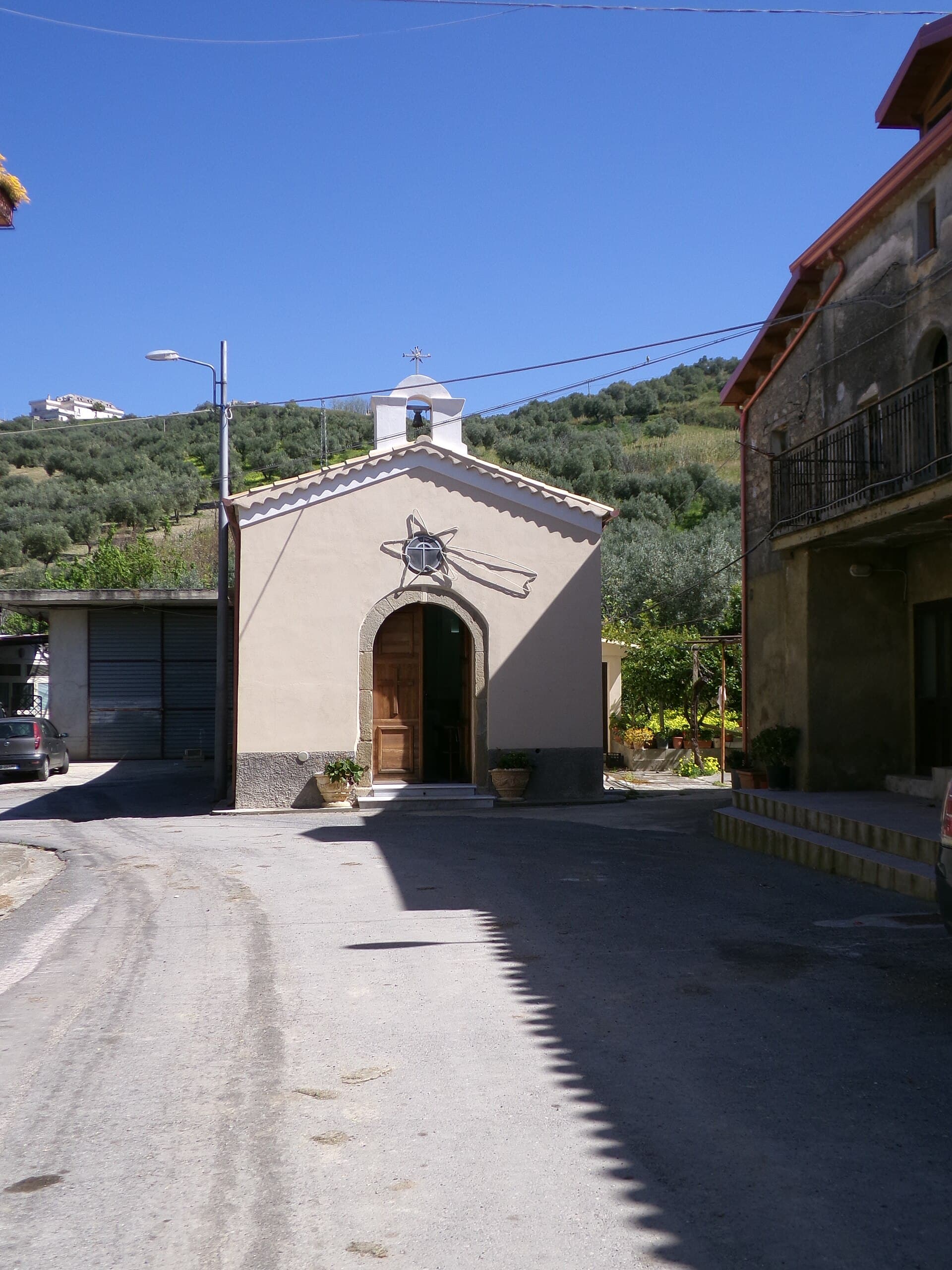
Saint Anne Church stands in the upper historic center of Amantea, where narrow lanes wind past stone houses toward the sea. Its simple Baroque façade and bell tower serve as a landmark for the neighborhood, rewarding visitors with a peaceful pause amid the bustle of Calabria’s western coast. The church’s modest scale highlights everyday devotion rather than grand spectacle, making it an authentic stop for travelers seeking the region’s quieter cultural corners.
Architecture and Atmosphere
The exterior features clean lines and local stone, typical of Calabrian coastal churches built after earlier structures were damaged by earthquakes. Inside, the single nave holds modest altars dedicated to Saint Anne and other local saints, with natural light filtering through small windows onto tiled floors. Frescoes and wooden statues reflect the craftsmanship of regional artisans rather than famous masters, creating an intimate setting that feels lived-in rather than museum-like.
Practical Viewing Tips
- Enter quietly during services to observe local customs without disturbing worshippers.
- Look upward at the vaulted ceiling for subtle decorative details often missed in brighter light.
- Step into the small side courtyard for a shaded moment with views toward the sea.
Getting There and Orientation
Amantea’s train station lies below the old town; regular regional trains connect it to Lamezia Terme and Paola. From the station, a steep but short uphill walk or local bus reaches the historic center where the church sits. Drivers can park in lower lots and continue on foot through the pedestrian lanes. The location places visitors near the medieval castle ruins and the panoramic terrace overlooking the coastline.
Best Time to Go and Nearby Attractions
Spring and early autumn bring milder temperatures and fewer crowds, allowing comfortable exploration of the surrounding alleys and nearby beaches. In summer, morning visits avoid peak heat. Combine the church with a stroll along Corso Vittorio Emanuele for cafés and small shops, or descend to the lungomare for a walk beside the water. The annual festivals honoring Saint Anne in late July add color, yet the building itself remains rewarding year-round for its unchanging sense of place.