History and Heritage
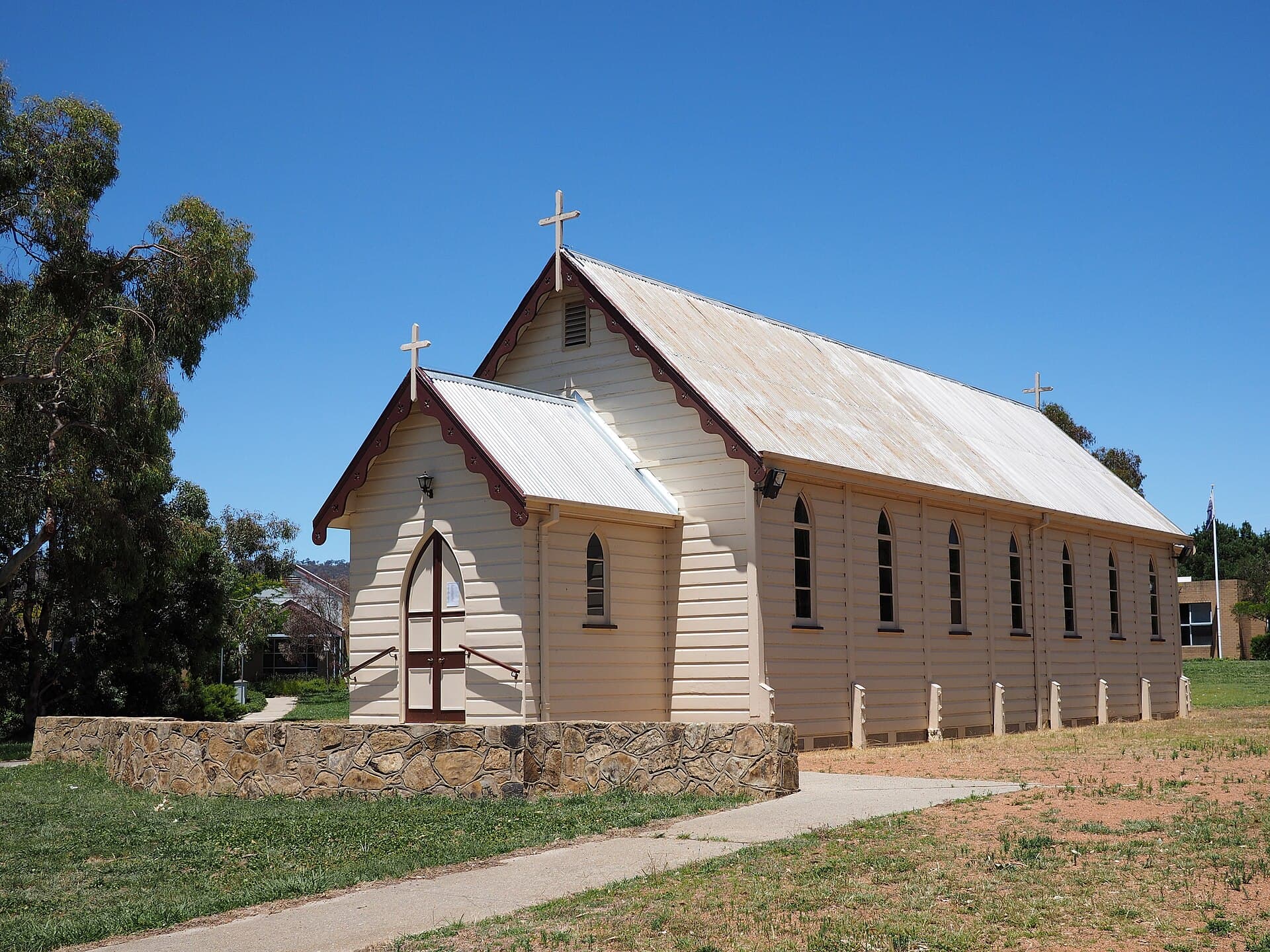
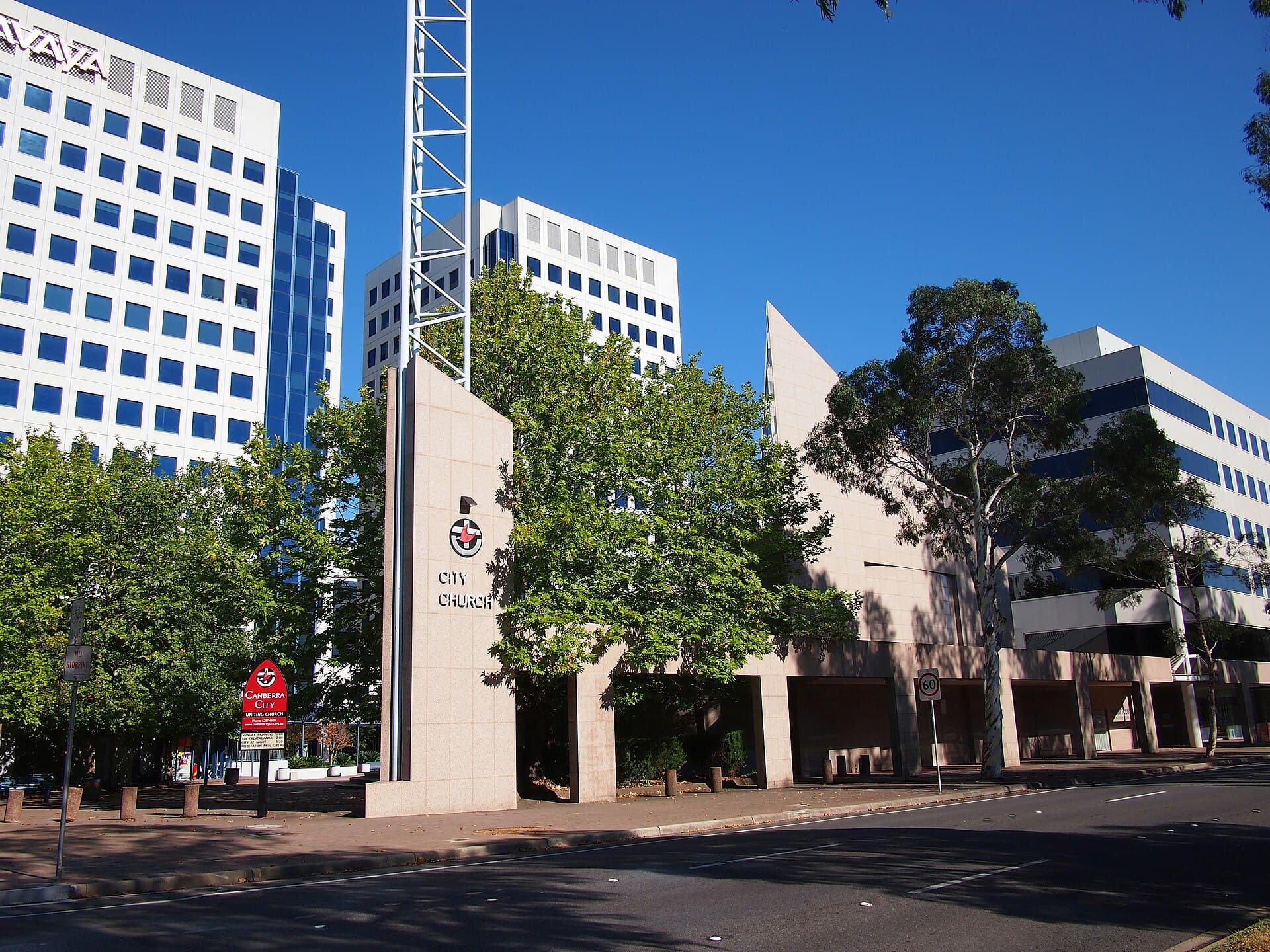
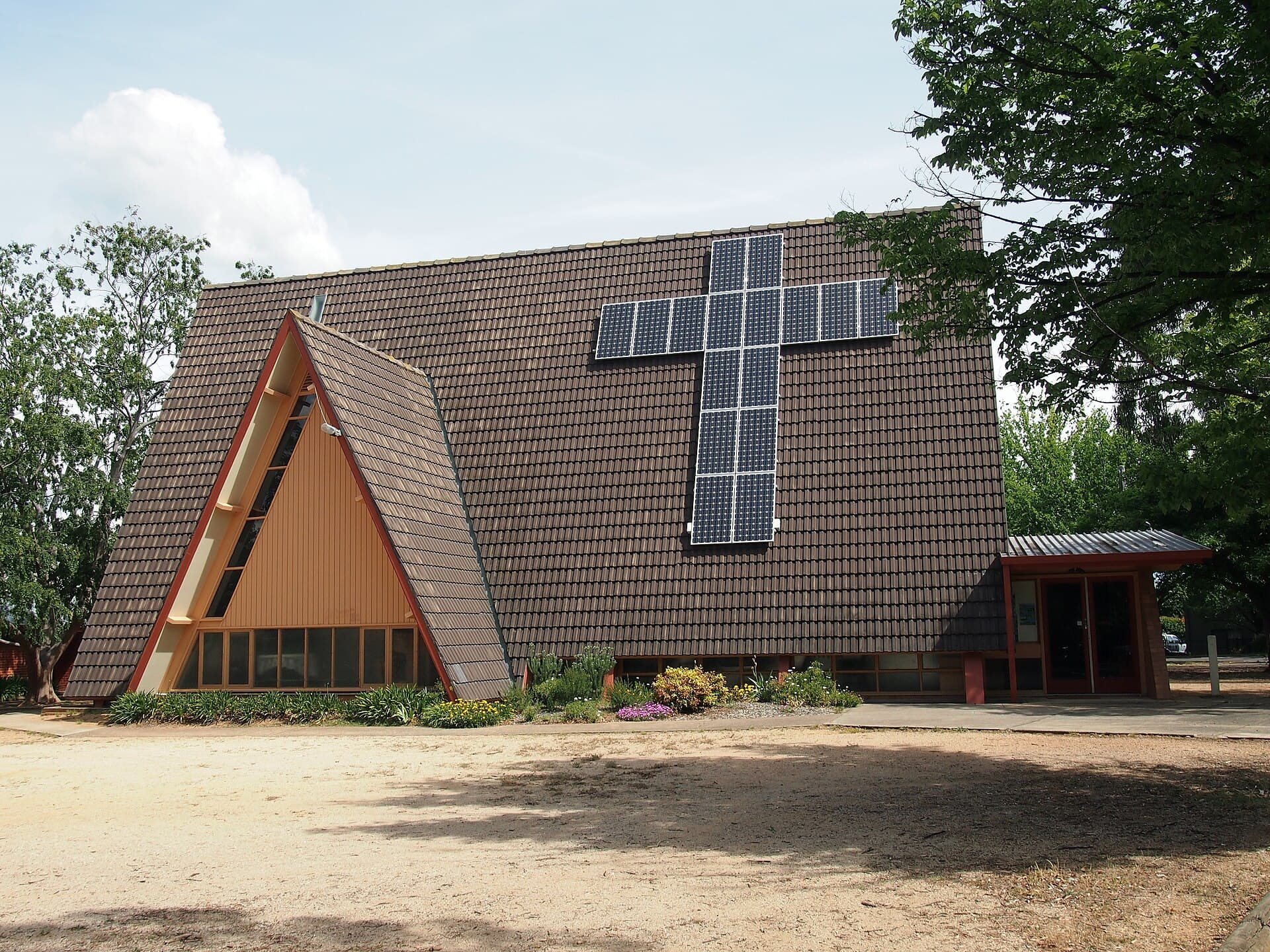
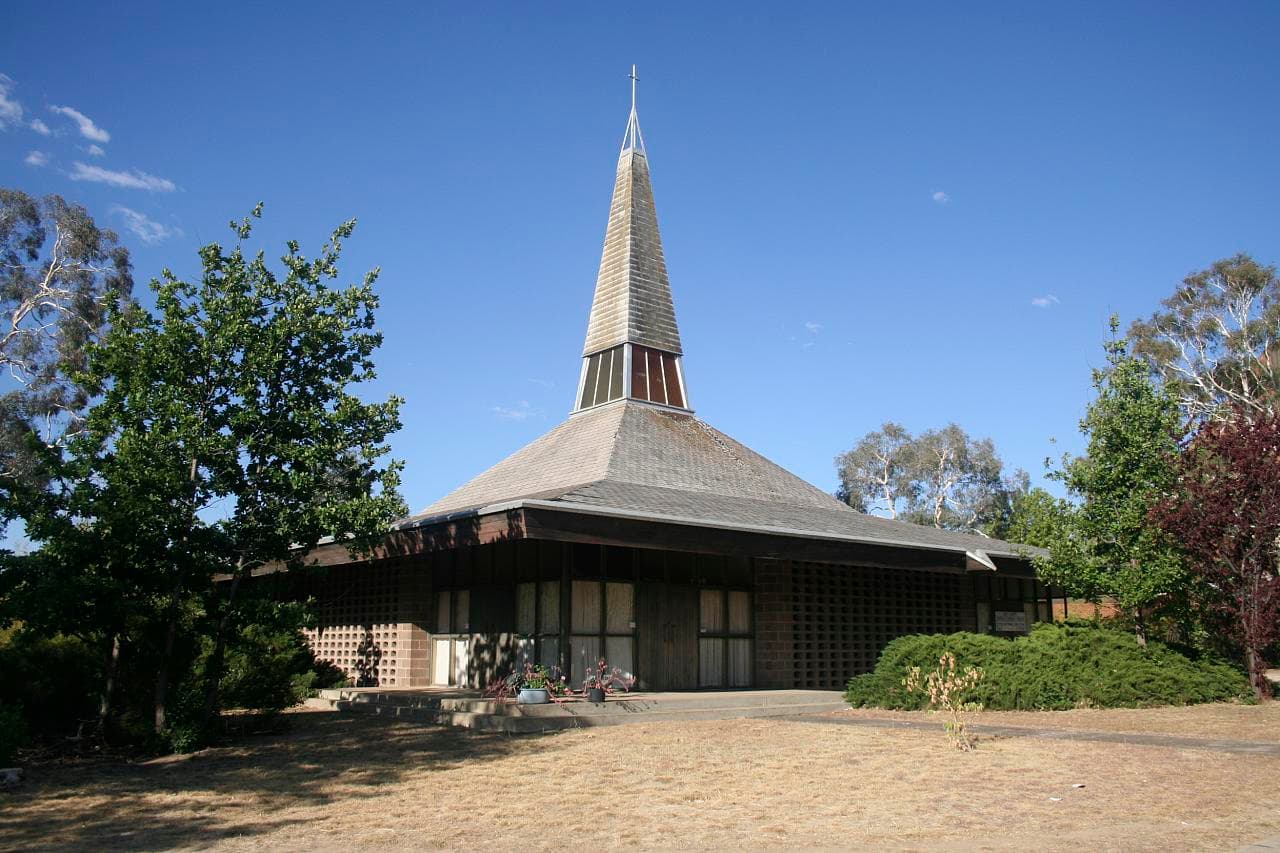
Sacred Heart Church stands as a modest yet significant example of early twentieth-century ecclesiastical architecture in the Australian Capital Territory. Built to serve a growing suburban Catholic community, the church reflects the practical design sensibilities of its era while incorporating traditional elements that evoke a sense of continuity with older European church traditions. Its location in a leafy Canberra suburb places it within easy reach of the national capital’s planned urban landscape.
Architecture and Atmosphere
The exterior features clean brickwork and a simple bell tower that rises above surrounding trees, offering a quiet landmark for locals and visitors alike. Inside, natural light filters through stained-glass windows depicting biblical scenes, illuminating timber pews and a restrained altar area. The space encourages contemplation rather than spectacle, with acoustics that suit both spoken prayer and occasional choral music. Regular worshippers appreciate the intimate scale, which contrasts with larger cathedrals in central Canberra.
Grounds and Memorials
The surrounding gardens contain memorial plaques and mature eucalypts that provide shade year-round. A small courtyard offers seating for those who wish to pause before or after entering the church itself.
Getting There
Travelers can reach the church by car via the well-signed arterial roads connecting Canberra’s southern suburbs. Limited on-street parking is available nearby, and the site is also accessible by local bus routes that link to the city centre and Woden interchange. Cyclists will find dedicated paths through adjacent parkland.
Best Time to Visit
Canberra’s mild autumn and spring months deliver comfortable temperatures and fewer crowds, making them ideal for unhurried visits. Summer afternoons can be warm, while winter mornings bring crisp air that suits those seeking solitude. The church remains open for quiet individual visits outside of scheduled services.
Nearby Attractions
After visiting, explore the nearby Manuka precinct for cafés and independent shops, or continue to the Australian War Memorial and Lake Burley Griffin for broader context on the nation’s capital. The suburb’s quiet streets also invite short walks that reveal Canberra’s distinctive garden-city planning.