
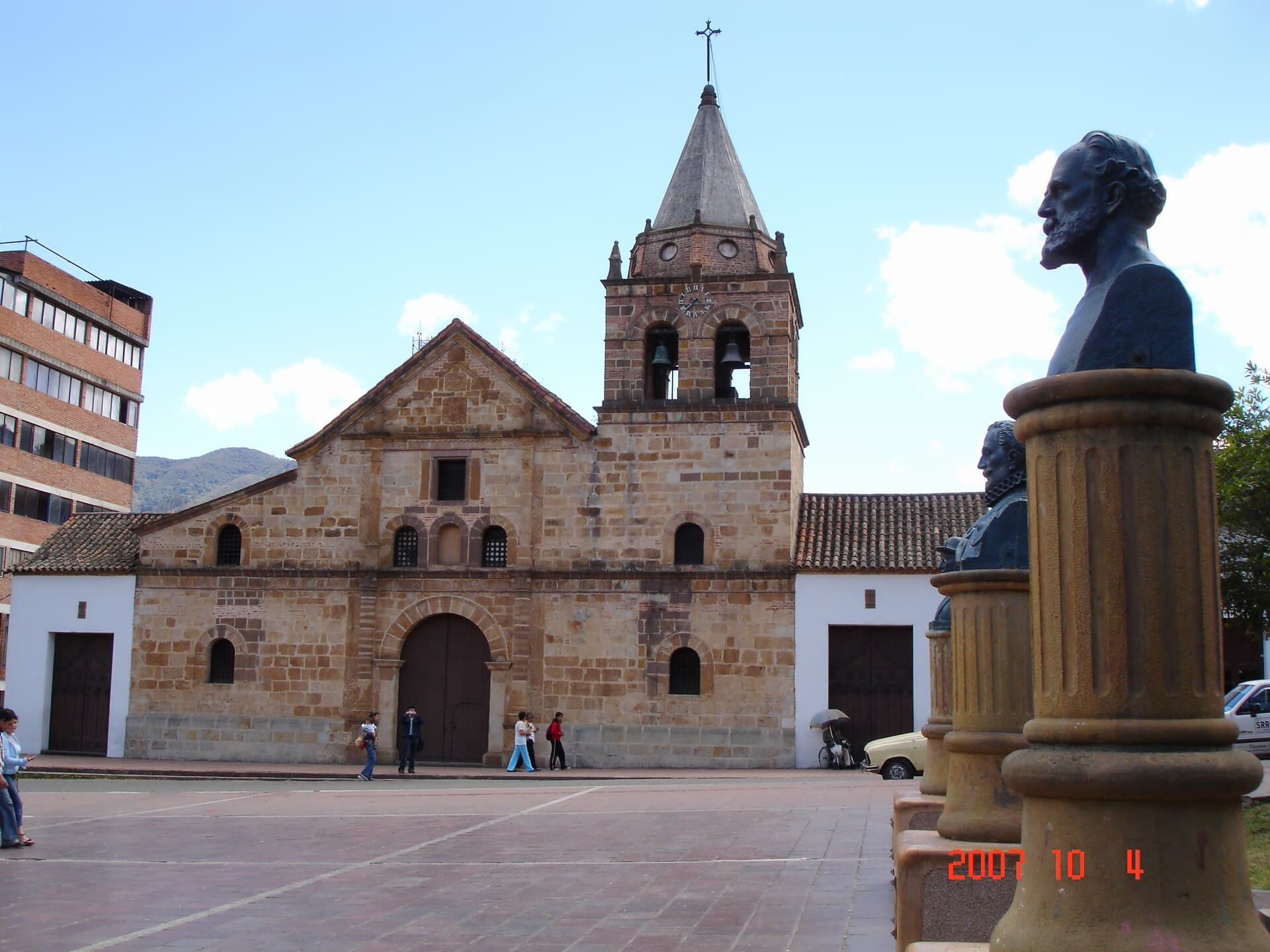
Roman Catholic Archdiocese of Nueva Pamplona Museum: Colonial Faith and Art in Pamplona, Colombia
Step inside this Andean repository of religious art and colonial history in one of Colombia's oldest mountain towns.
Discovering the Archdiocese Museum
The Roman Catholic Archdiocese of Nueva Pamplona maintains a museum that preserves centuries of religious art, liturgical objects, and colonial documents in the historic center of Pamplona. Set amid the cool highlands of Norte de Santander, the collection reflects the role of the Church in shaping the town since its founding in 1555. Visitors encounter paintings, silverwork, vestments, and carved wooden pieces that illustrate both local craftsmanship and European influences brought during the colonial period.
History and Significance
Pamplona served as a key ecclesiastical seat for northern Colombia, with the archdiocese overseeing vast territories. The museum’s holdings trace the evolution of Catholic practice from early missionary efforts through the independence era, when local clergy participated in political movements. Many pieces survived regional conflicts and earthquakes, offering tangible links to the town’s resilient past. The surrounding cathedral complex remains an active place of worship, allowing visitors to experience living tradition alongside the curated displays.
Highlights of the Collection
- Colonial-era altarpieces and oil paintings depicting biblical scenes with Andean flora and fauna
- Silver chalices, monstrances, and processional crosses crafted by local artisans
- Period vestments embroidered with gold thread and regional motifs
- Archival manuscripts and maps that document missionary routes across the eastern cordillera
Practical Planning for Visitors
Pamplona sits roughly two hours by road from Cúcuta, the nearest major airport and border city. Travelers can continue onward to Bucaramanga via scenic mountain routes. The museum integrates easily into a walking tour of Pamplona’s preserved colonial streets, plazas, and university buildings. Combine the visit with stops at the Casa de la Cultura and the Monumento a los Comuneros to understand the town’s broader historical context.
Best Time to Visit
The highland climate stays mild year-round, with drier months from December through March offering the clearest days for photography and outdoor exploration. Religious festivals, particularly those around Holy Week and the town’s founding anniversary in November, bring processions and temporary exhibitions that enrich the museum experience without overcrowding the galleries.
Nearby Destinations
Within an hour’s drive lie thermal springs at Villa Nueva and the dramatic landscapes of the Chicamocha Canyon. Further afield, the colonial town of San José de Cúcuta provides contrast with its lowland setting and vibrant markets. For nature enthusiasts, nearby páramo ecosystems offer hiking opportunities amid frailejones and high-altitude lakes.
Visitor tips
- Dress modestly and carry a light jacket; the mountain evenings cool quickly even when daytime temperatures feel comfortable.
- Plan to combine the museum with a stroll through Pamplona's historic center, where many colonial buildings remain in daily use.
- Check ahead for any temporary closures tied to religious ceremonies, as the cathedral complex continues active parish functions.
Frequently asked questions
What kind of artifacts does the museum display?
The collection focuses on colonial religious art, silver liturgical objects, embroidered vestments, paintings, and historical documents tied to the archdiocese.
Is the site still an active church?
Yes. The cathedral remains a functioning place of worship, so visitors should maintain respectful behavior during services.
How long does a typical visit take?
Most visitors spend 45 to 90 minutes exploring the galleries, with additional time recommended for the surrounding historic district.
Can I visit on a day trip from Cu00facuta?
Yes. Pamplona lies about two hours by car or bus from Cu00facuta, making it feasible for a full-day excursion that includes the museum and town center.
Are photography and guided tours available?
Photography is generally permitted without flash; inquire on-site about occasional guided tours offered in Spanish that provide deeper historical context.