
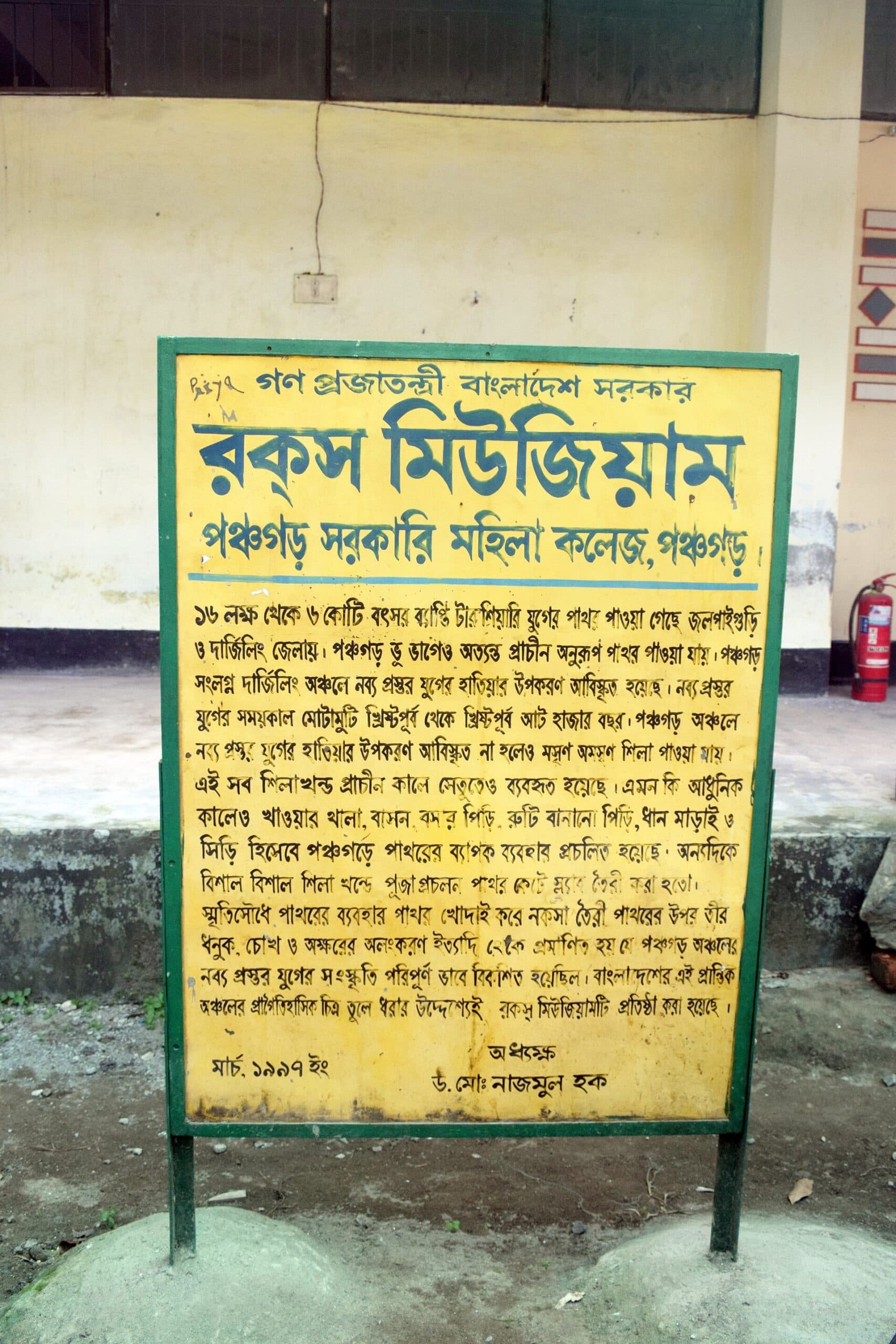
Rocks Museum: A Geological Treasure in Panchagarh, Bangladesh
Explore the remarkable collection of rocks, minerals, and fossils that reveal the ancient geological story of northern Bangladesh.
Discovering the Rocks Museum
Located in Panchagarh Sadar Upazila, the Rocks Museum stands as a specialized institution dedicated to the geological heritage of Bangladesh’s northernmost district. The museum showcases specimens gathered from local riverbeds, hills, and plains, offering visitors a tangible connection to the forces that shaped this region over millions of years. Its displays highlight the area’s position near the foothills of the Himalayas, where erosion and sediment transport have created an unusually diverse stone record.
What to See and Do
Inside the museum, exhibits are arranged to guide visitors through different rock types and their origins. Sections feature polished river stones, quartz varieties, sedimentary layers, and occasional fossil impressions collected from nearby waterways. Informative panels explain how the Karatoya and other rivers have carried material from higher elevations, creating the samples on display. Visitors often spend time examining the textures and colors that distinguish each specimen, gaining insight into local geology without needing prior expertise.
Outside the main building, a small garden area displays larger boulders and rock formations typical of the Panchagarh landscape. These outdoor pieces allow closer inspection of scale and weathering patterns. Photography is permitted in most areas, making it easy to document interesting finds for later reference.
Getting There
Panchagarh Sadar Upazila is reachable by road from Dhaka via the Dhaka–Banglabandha highway, with the journey taking roughly ten to twelve hours by bus or private car. From Thakurgaon or Dinajpur, the distance is shorter and can be covered in two to three hours. Local transport such as rickshaws or hired motorcycles connects the town center to the museum once visitors arrive in the upazila. The surrounding area is flat and easy to navigate, with clear signage pointing toward the museum.
Best Time to Visit
The cooler months from November through February provide the most comfortable conditions for travel and outdoor exploration around the museum. Rainfall is minimal, roads remain in good condition, and the lower humidity makes walking between exhibits pleasant. Summers bring higher temperatures and monsoon rains that can affect road travel, while the brief winter chill rarely lasts long enough to disrupt plans.
Nearby Attractions
After visiting the museum, travelers can continue to the nearby Banglabandha land port for border views or explore the tea gardens that flourish in Panchagarh’s fertile soil. The region’s numerous rivers offer opportunities for quiet boat rides, and local markets sell fresh produce and handicrafts that reflect the agricultural character of the district. Combining the museum with these sites creates a balanced day focused on both natural history and contemporary life in northern Bangladesh.
Visitor tips
- Carry drinking water and wear comfortable shoes, as the museum grounds include both indoor halls and outdoor rock displays that require walking on uneven surfaces.
- Hire a local guide or use a translation app if you want deeper explanations of the geological terms used on the exhibit labels.
- Combine your visit with a stop at a nearby tea garden to experience the agricultural landscape that surrounds the museum and benefits from the same river systems that deposited many of the rocks on display.
Frequently asked questions
What kind of rocks are displayed at the Rocks Museum?
The collection focuses on locally sourced specimens including river-polished stones, quartz, sedimentary rocks, and occasional fossil-bearing pieces that illustrate the geological processes active in Panchagarh.
Is the Rocks Museum suitable for children?
Yes, the straightforward displays and outdoor boulder garden make the museum accessible and engaging for school-age children interested in natural history.
How long should I plan to spend at the museum?
Most visitors find two to three hours sufficient to view the indoor exhibits and explore the outdoor rock displays at a relaxed pace.
Are there restrooms and basic facilities available?
Basic visitor amenities including restrooms are provided on site, though it is advisable to bring any personal supplies you may need for a longer outing in the area.
Can I visit the Rocks Museum as part of a larger trip to northern Bangladesh?
The museum pairs well with visits to local tea estates, riverbanks, and the Banglabandha border area, allowing travelers to combine geological interests with cultural and scenic stops.