
Risco Caído: Gran Canaria’s Ancient Rock-Art Sanctuary
Explore the UNESCO-listed caves, solar alignments and sacred engravings of Risco Caído high in the mountains of Gran Canaria.
Why Risco Caído Matters
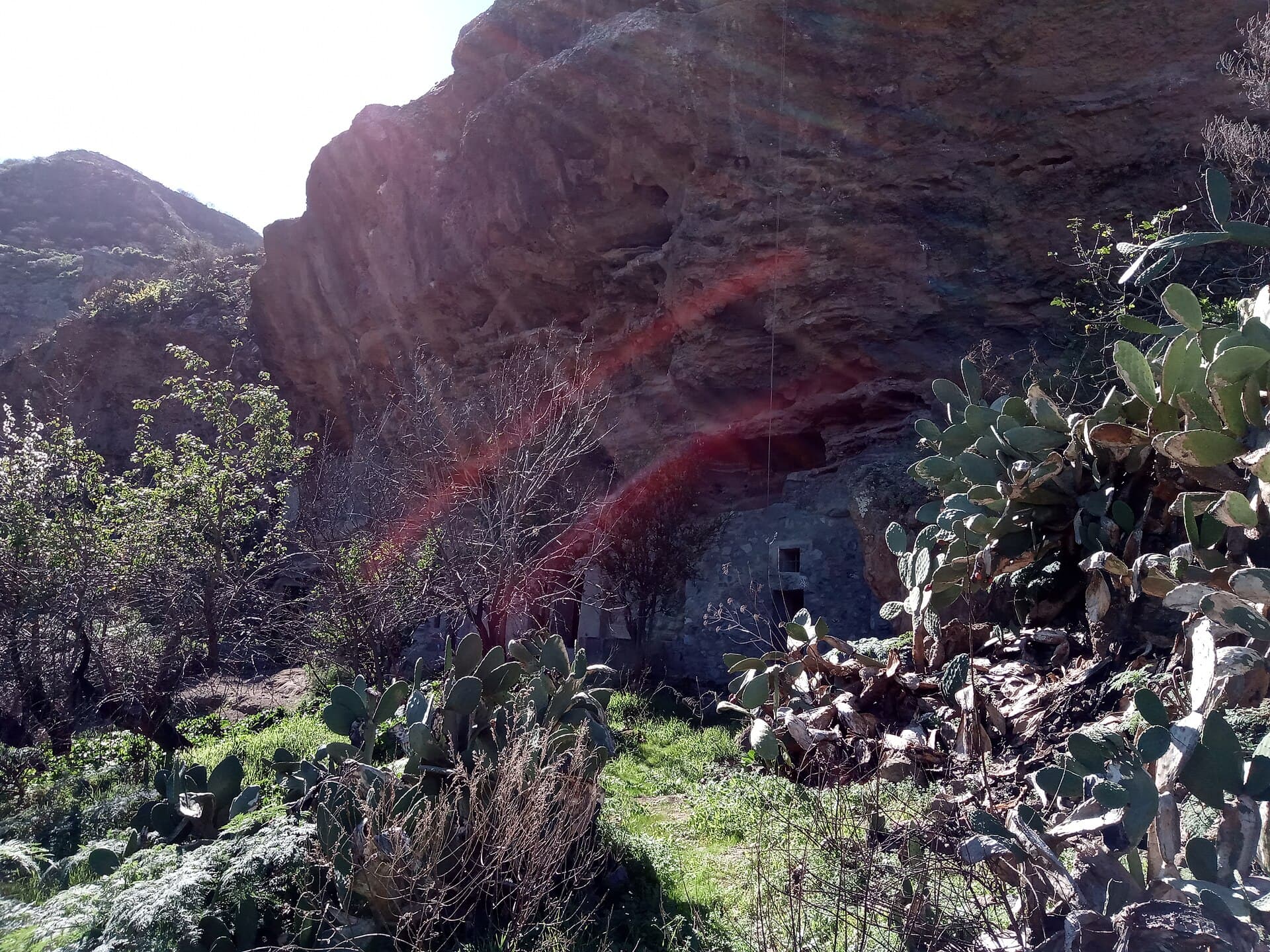
Risco Caído is the heart of a UNESCO World Heritage cultural landscape that preserves the spiritual and astronomical knowledge of the ancient Canarian people. Carved into a sheer basalt cliff above the Agaete valley, the site contains artificial caves, geometric rock engravings and a unique vaulted chamber whose circular window admits sunlight only at the summer solstice, creating a dramatic light effect on spiral motifs inside.
What to See and Do
The Main Cave Complex
Walk the short interpretive trail to the principal cave. Inside you will see concentric circles, anthropomorphic figures and the famous “solar eye” opening. Guides explain how the alignment marks seasonal cycles important to prehistoric islanders.
Surrounding Sacred Landscape
Continue along the ridge path to smaller caves and viewing platforms that overlook the dramatic caldera of Tejeda. The wider site includes additional rock-art panels and the remains of ancient dwellings that together illustrate a complete ritual territory.
Hiking Options
Experienced walkers can link Risco Caído with the longer Camino de Risco Caído trail that descends through pine forest toward Artenara, offering changing views of Roque Bentayga and the central peaks.
Getting There
Most visitors drive the winding GC-210 from Las Palmas or Tejeda to the Artenara visitor centre, then continue by authorised shuttle or on foot along the final kilometre of track. Public buses reach Artenara; from there only organised transport or a strenuous hike completes the journey. The remote location rewards early starts and clear weather.
Best Time to Visit
Spring (March–May) and autumn (September–November) bring mild temperatures and fewer crowds. Summer visits are possible but expect intense sun and limited shade on the exposed paths. Winter days can be crisp and clear, ideal for photography of the solstice phenomenon if timed correctly.
Nearby Places Worth Combining
- Roque Bentayga – another major archaeological and geological landmark visible from the ridge
- Acusa Seca – cave village and almond groves a short drive away
- Cruz de Tejeda – panoramic restaurant stop and trailhead for multiple mountain routes
Visitor tips
- Wear sturdy hiking shoes and carry at least 1.5 litres of water per person; the final approach is steep and unshaded.
- Book a guided visit in advance through the official Artenara centre to access the interior caves; independent entry is restricted.
- Combine the site with a stop at Tejeda or Roque Nublo for a full-day mountain itinerary and better use of transport.
Frequently asked questions
How difficult is the walk to Risco Cau00eddo?
The final kilometre is steep and rocky; allow 30u201345 minutes each way from the shuttle drop-off. It is unsuitable for wheelchairs or very young children.
Can I visit without a guide?
The exterior trails are open, but entry into the main decorated caves requires an official guide arranged through the Artenara visitor centre.
Is Risco Cau00eddo accessible year-round?
Yes, but heavy rain can close the access track and summer heat makes the hike demanding; spring and autumn are most comfortable.
What should I bring for a visit?
Sun protection, water, sturdy shoes and a light jacket for the often breezy ridge are essential. There are no facilities at the site itself.
Are there other archaeological sites nearby?
Yes. Roque Bentayga, Acusa Seca and several smaller cave complexes lie within a 20-minute drive, allowing visitors to explore a wider prehistoric landscape in one day.