Why Visit Río Grande
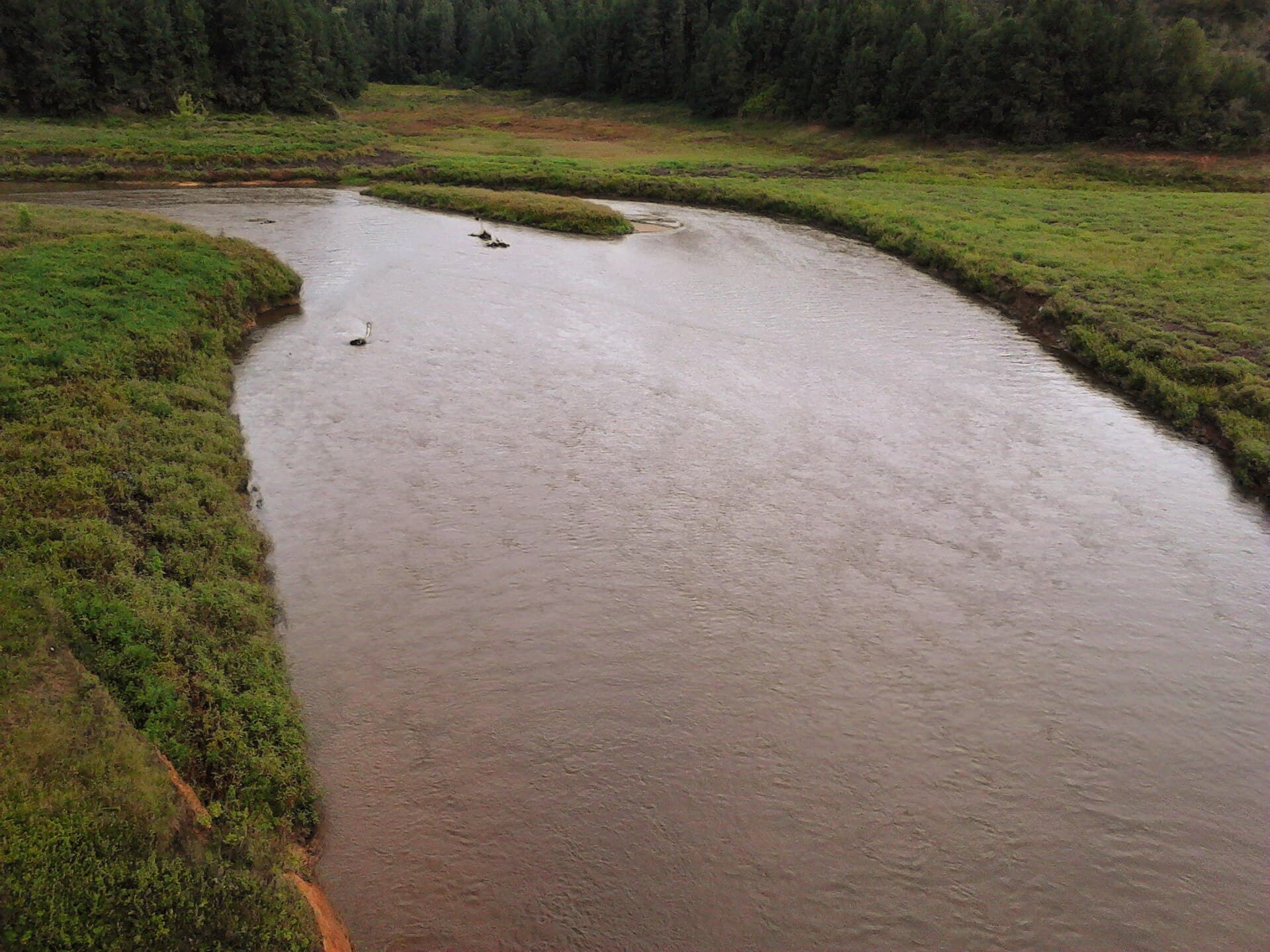
Río Grande winds through the rolling hills of northern Antioquia, offering visitors a quieter alternative to more famous Colombian rivers. Its clear waters flow past steep, green slopes covered in tropical forest and small fincas, creating a landscape ideal for slow travel and nature immersion. The river’s setting in the Antioquia highlands combines Andean freshness with lowland warmth, making it a comfortable year-round destination for hikers, birdwatchers, and anyone seeking to escape the bustle of nearby Medellín.
Things to See and Do
Popular activities center on the river itself. Gentle sections allow for swimming in natural pools formed by smooth rocks, while stronger currents downstream attract experienced kayakers and rafters. Riverside trails lead to small waterfalls and viewpoints where the entire valley opens up. Local communities sometimes offer guided walks that highlight native orchids, howler monkeys, and the region’s coffee and plantain cultivation. Fishing for native species remains a traditional pastime, though catch-and-release is encouraged to protect the ecosystem.
Best Time to Visit
The driest months, December through March and July through August, provide the most reliable conditions for river activities and trail hiking. During these periods water levels stay moderate, and afternoon rains are less frequent. Shoulder months of April and September still offer good access with fewer visitors and lush vegetation at its peak.
Getting There
Most travelers start from Medellín, roughly two hours north by road. Buses run regularly to the nearby municipalities of San Pedro de los Milagros and Entrerríos; from there, local transport or a short taxi ride reaches river access points. Private drivers or rented cars give more flexibility for exploring multiple trailheads along the valley. The coordinates place the river in a rural zone, so navigation apps work best with offline maps downloaded in advance.
Nearby Attractions
Combine a Río Grande visit with the historic center of Santa Fe de Antioquia, known for its colonial architecture and the Puente de Occidente suspension bridge. Further afield, the highland town of Santa Rosa de Osos offers additional hiking and the dramatic Cañón de Santa Rosa. Coffee farms between the river and Medellín welcome day visitors for tours and tastings, rounding out a multi-day itinerary focused on Antioquia’s natural and cultural heritage.