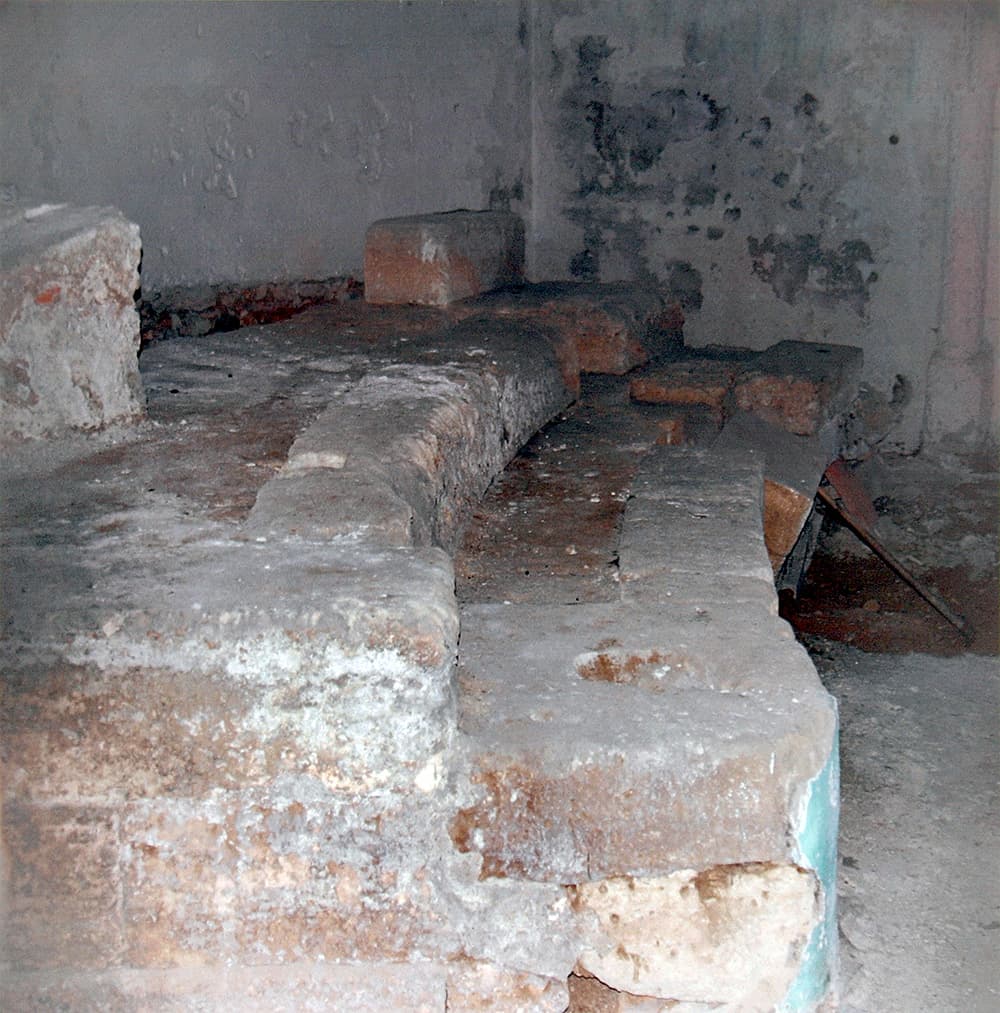
Discovering the Resti dell’Odèon/Ekklesiasterion
Hidden within the archaeological area of Locri Epizefiri, the Resti dell’Odèon/Ekklesiasterion preserve the outlines of two important civic structures from Magna Graecia. The ekklesiasterion served as an open-air assembly space where citizens gathered for political debate, while the adjacent odeon hosted musical performances and smaller gatherings under a roof. Today visitors walk among low stone walls and tiered seating that reveal the scale and layout of these buildings without later Roman overlays.
History and Significance
Founded by Greek colonists in the seventh century BC, Locri grew into a prosperous city-state whose public buildings reflected democratic traditions. The ekklesiasterion dates to the fifth century BC and could accommodate hundreds of participants seated on stone benches arranged in a rectangular plan. The odeon, built slightly later, featured a covered auditorium designed for acoustics rather than large crowds. Both structures illustrate how Locri balanced political life with cultural expression along the Ionian Sea.
What to See and Do
Begin at the perimeter walls that mark the ekklesiasterion’s rectangular footprint. Notice the central speaker’s platform and the radiating bench rows still visible in the limestone. A short walk leads to the odeon remains, where curved seating and the outline of the stage building survive. Informative panels on site explain construction techniques and the daily use of each space. Photographers find striking angles at sunrise when low light accentuates the texture of the ancient masonry against the surrounding olive groves.
Practical Access
The site lies just inland from Locri town and is reached by local bus or a short taxi ride from the railway station. Drivers follow the SS106 coastal road and turn toward the archaeological park signs. Combine the visit with the nearby temple of Persephone and the extensive city walls for a fuller picture of ancient Locri.
Best Time to Visit
Spring months of April and May bring mild temperatures and wildflowers among the ruins. October offers comfortable walking weather and fewer visitors than summer. Avoid midday in July and August when the open stone surfaces radiate heat. Winter visits are possible on clear days, though occasional rain can make paths slippery.
Nearby Attractions
After exploring the odeon and ekklesiasterion, continue to the main sanctuary of Persephone and the museum in Locri that displays terracotta votive offerings. The Ionian beaches lie minutes away for a swim, while the hilltop village of Gerace offers medieval streets and panoramic views over the same coastal plain once controlled by ancient Locri.