
Rema-Kalenga Wildlife Sanctuary: Exploring Sylhet’s Ancient Forest Reserve
This protected sanctuary in Bangladesh’s Sylhet Division shelters rare wildlife and old-growth tropical forest ideal for quiet trekking and birdwatching.
Why Visit Rema-Kalenga Wildlife Sanctuary
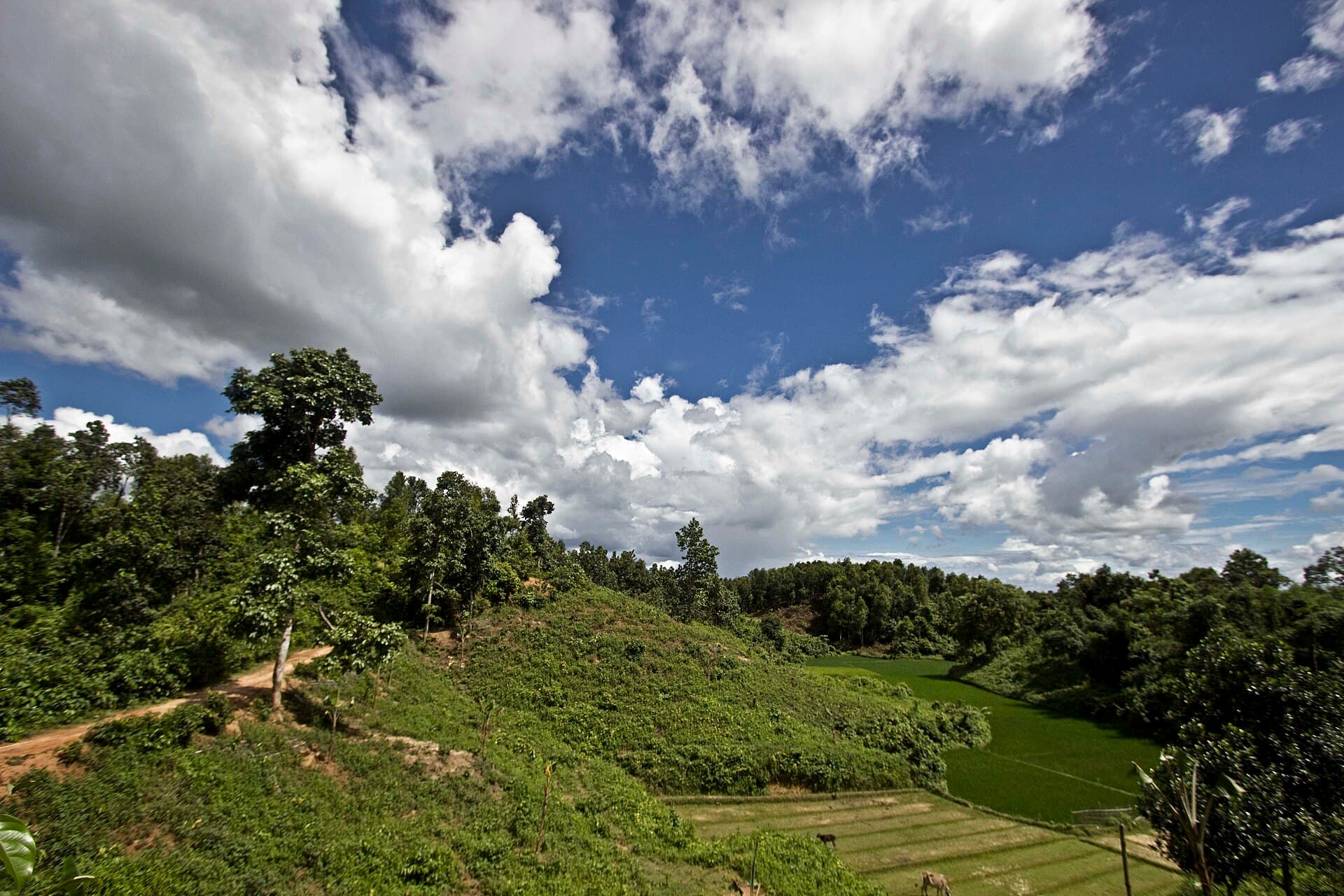
Rema-Kalenga protects one of the last substantial patches of semi-evergreen forest remaining in Sylhet Division. Its rolling hills, clear streams and dense canopy support a rich mix of resident and migratory birds, primates and small mammals. Visitors experience genuine wilderness within easy reach of Sylhet city, yet the sanctuary feels remote because of limited infrastructure and strict protection rules.
Wildlife and Landscapes
Early-morning walks often reveal hoolock gibbons calling from the canopy, capped langurs moving along ridges and barking deer at forest edges. More than 150 bird species have been recorded, including the rare red-headed trogon, great hornbill and several woodpecker species. The sanctuary’s core remains closed to visitors, so most exploration occurs along designated trails that skirt the buffer zone and follow ridgelines with occasional viewpoints over tea estates and distant hills.
How to Get There
Most travelers start from Sylhet city. A hired car or local bus travels south via the Sylhet-Habiganj road, turning west at the signposted junction for Kalenga. The final stretch is a narrow, sometimes rough road through tea gardens; four-wheel-drive vehicles are useful after heavy rain. From Sreemangal the journey is slightly shorter but still requires a change of transport at the sanctuary gate area. No regular public transport enters the sanctuary itself.
Best Time to Visit
November through February offers the driest, coolest weather and clearest forest trails. March and April bring hotter temperatures and occasional thunderstorms, while the June-to-September monsoon makes roads slippery and streams difficult to cross. Weekdays are quieter than weekends, when local school groups sometimes visit.
Things to Do
- Guided forest walks on the marked trails, focusing on bird calls and gibbon sightings.
- Photography of the layered canopy and seasonal wildflowers along stream banks.
- Quiet observation from fixed hides near waterholes during early morning or late afternoon.
- Short village visits just outside the boundary to learn about local conservation initiatives.
Nearby Attractions
Combine a visit with the tea estates and Lawachara National Park around Sreemangal, or continue north to the wetlands of Hakaluki Haor for contrasting landscapes. The sanctuary’s location also makes it a logical stop on longer routes between Sylhet and the Indian border at Tamabil.