Skip to content
Plan & Tour
DestinationsItinerariesTravel BlogAboutContact
0Sign inPlan a trip
Plan & TourPlan & Tour

Travel guides, destination inspiration and curated itineraries for Canada, the USA and beyond, plus a free tool to plan your own day-by-day trip.

Get travel inspiration

Explore

  • All Destinations
  • Curated Itineraries
  • Travel Blog
  • Plan a Trip

Topics

  • Hiking & Nature
  • Food & Drink
  • City Breaks
  • Budget Travel

Company

  • About Us
  • Contact
  • Privacy Policy
  • Terms of Service

© 2026 Plan & Tour. Built for travellers.

Discover the world, one trip at a time.

Rats of Tobruk Memorial: A Lasting Tribute to Australian WWII Defenders in Canberra
  1. Home
  2. Destinations
  3. Australian Capital Territory
  4. Rats of Tobruk Memorial: A Lasting Tribute to Australian WWII Defenders in Canberra
Monument

Rats of Tobruk Memorial: A Lasting Tribute to Australian WWII Defenders in Canberra

Explore the Rats of Tobruk Memorial in Canberra's Australian Capital Territory, where history and remembrance converge in a striking monument to courage under siege.

Australian Capital TerritoryUpdated 17 September 2026

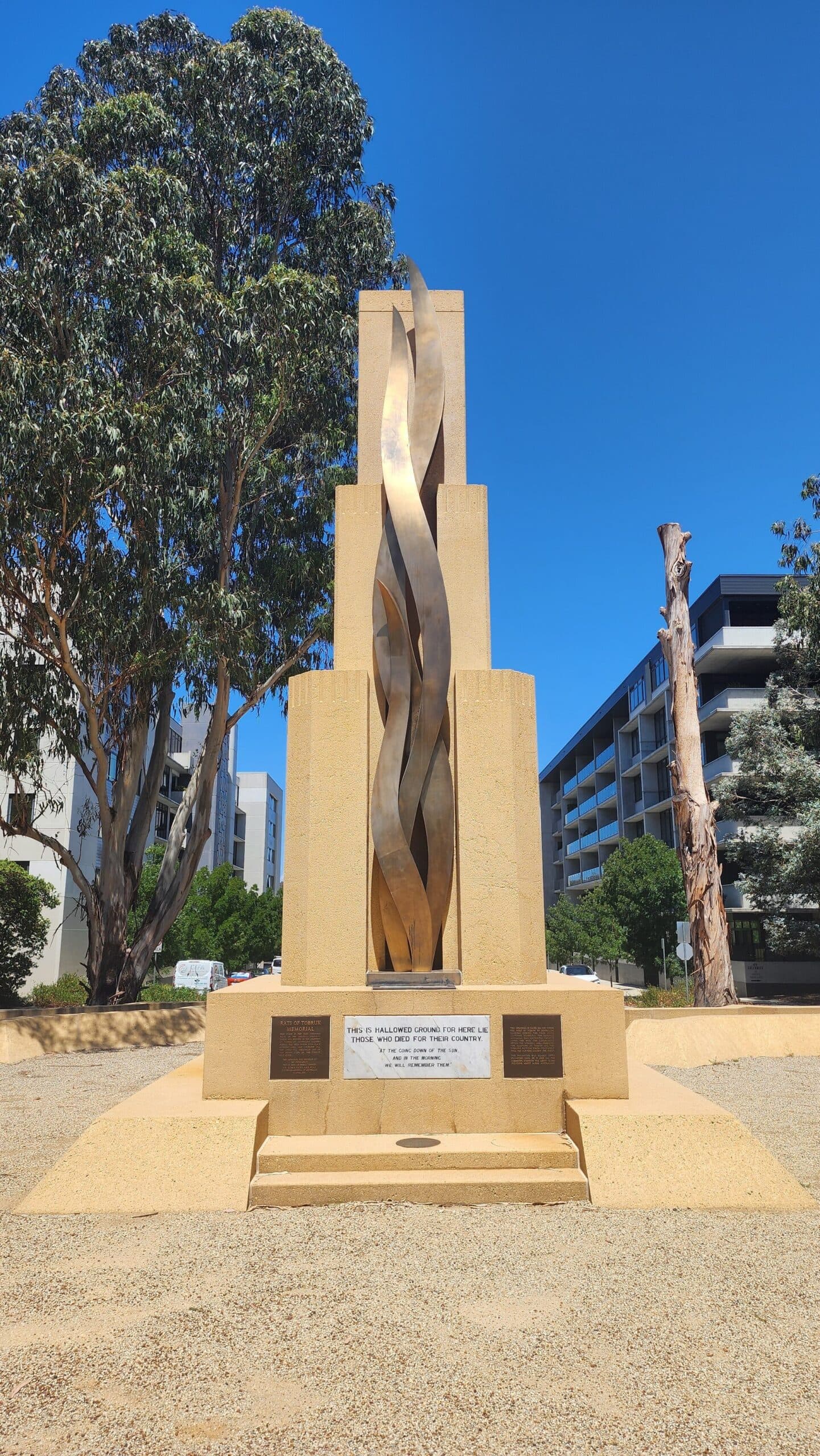
The Rats of Tobruk Memorial stands as a powerful reminder of the Australian soldiers who withstood the prolonged Axis siege of Tobruk in 1941 during World War II. Located in the Australian Capital Territory, this monument honors the tenacity of troops who earned their nickname from the enemy for their determined defense of the Libyan port.

Historical Significance

During the eight-month siege, approximately 14,000 Australian soldiers played a central role in holding Tobruk against superior forces, disrupting supply lines and preventing a swift advance into Egypt. Their endurance became a symbol of Australian military resolve and contributed to the broader Allied campaign in North Africa. The memorial captures this story through its design, ensuring visitors understand the human cost and strategic importance of the campaign.

Design and Features Worth Seeing

The monument features a prominent central sculpture depicting a rat and elements of desert warfare, surrounded by inscribed panels that list the names of those who served and the units involved. Low stone walls and pathways encourage quiet reflection, while plaques provide context on daily life in the besieged town, including water rationing and constant artillery threats. The layout integrates with surrounding parkland, allowing visitors to walk around the site and appreciate both the memorial and its setting.

Best Time to Visit and Getting There

Canberra’s climate makes spring and autumn the most comfortable periods for outdoor exploration, with mild temperatures and lower chance of extreme heat or cold. The memorial sits within easy reach of central Canberra; visitors can arrive by local bus routes that stop nearby or walk from the Parliamentary Triangle area. On-site parking is available for those driving, and the flat terrain suits most mobility levels.

Nearby Attractions

Combine your visit with the Australian War Memorial, a short distance away, for a fuller understanding of Australia’s military history. Lake Burley Griffin offers scenic walks and boat rides, while the National Museum of Australia provides broader context on the nation’s development. Anzac Parade, lined with other commemorative sites, forms a natural extension for those interested in further memorials.

Practical Considerations for Visitors

Allow at least 30 to 45 minutes to fully appreciate the memorial and its interpretive elements. Respect the solemn atmosphere by keeping conversations low and avoiding disruptive activities. Photography is permitted but should focus on the monument itself rather than other visitors.

Visitor tips

  • Pair the visit with the Australian War Memorial to connect the Tobruk story with Australia's wider wartime experience.
  • Wear comfortable shoes for walking the surrounding paths and consider bringing water during warmer months.
  • Check for any scheduled commemorative events, which often occur around key WWII anniversaries and add depth to the experience.

Frequently asked questions

Why are the soldiers called the Rats of Tobruk?+

The nickname originated from German propaganda that compared the defenders to rats for their tenacity in burrowing into defensive positions and refusing to surrender during the long siege.

Is the Rats of Tobruk Memorial suitable for families with children?+

Yes, the open layout and clear pathways make it accessible for families, though parents should explain the historical context to help younger visitors understand its significance.

How does this memorial differ from others in Canberra?+

It specifically commemorates the North African campaign and the unique conditions of the Tobruk siege, rather than broader conflicts or later wars covered at sites like the Australian War Memorial.

Can I visit the memorial year-round?+

The outdoor monument is accessible at all times, though Canberra's variable weather means summer visits may require sun protection and winter visits benefit from warmer clothing.

What public transport options reach the site?+

Several bus routes serving central Canberra stop within walking distance, and the location is also reachable on foot from major attractions in the Parliamentary Triangle.

Share
Google Maps Apple Maps Directions

Image: Shkuru Afshar · CC BY-SA 4.0 · via Wikimedia Commons

Keep reading

Nearby & related

All stories
T
Australian Capital Territory

The Astronomer Statue: Canberra’s Celestial Landmark in the Australian Capital Territory

This compelling public sculpture in Canberra invites contemplation of science, space, and the night sky within the…

21 September 2026
T
Australian Capital Territory

Tribute Sculpture: Canberra’s Striking Public Artwork

A powerful abstract form by Inge King that rewards a close look amid the capital’s planned landscape.

21 September 2026
T
Australian Capital Territory

The Edmund Barton Statue: Australia’s First Prime Minister in Canberra

Stand before the dignified bronze likeness of Sir Edmund Barton and trace the origins of Australian federation in the…

21 September 2026