
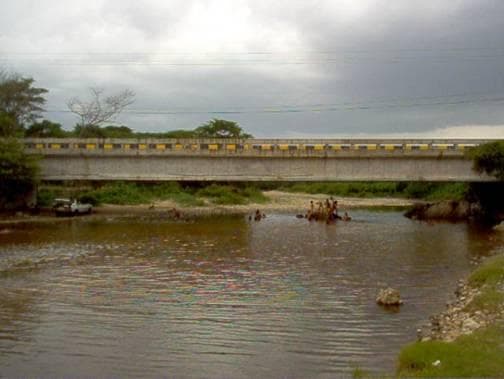
Ranchería River: Exploring the Lifeblood of La Guajira, Colombia
Winding through the arid Guajira Peninsula, the Ranchería River offers visitors rare access to Wayuu culture and desert river ecosystems.
Why the Ranchería River Stands Out
The Ranchería River cuts across northern Colombia’s La Guajira Department, creating a green corridor in one of the country’s driest regions. It originates in the Sierra Nevada de Santa Marta foothills and flows roughly 150 kilometers northeast to the Caribbean near Riohacha. For the indigenous Wayuu people, the river is central to daily life, seasonal migrations, and spiritual traditions, making any visit an opportunity to understand living indigenous culture rather than just scenery.
How to Reach the River
Most travelers fly into Riohacha’s Almirante Padilla Airport, then continue by rented vehicle or organized tour along the Troncal del Caribe highway. From Riohacha, the river is accessible at multiple points within a 30- to 90-minute drive, including crossings near the villages of Camarones and Manaure. Public transport is limited, so arranging a driver or joining a small-group excursion is the most reliable option for first-time visitors.
What to See and Do
Walk or cycle the riverbanks near Camarones to observe resident and migratory birds that thrive in the riparian zone. Local Wayuu cooperatives offer short boat or canoe trips that reveal fishing techniques and the river’s role in goat herding. Further upstream, hikes along the dry forest reveal cactus-dotted landscapes that contrast sharply with the flowing water. Cultural visits to nearby rancherías allow travelers to learn about traditional weaving, medicinal plants, and seasonal festivals tied to the river’s water levels. Photography is rewarding at sunrise and sunset when the light turns the surrounding desert hills golden.
Best Time to Visit
La Guajira’s climate is hot year-round, but the period from December through April brings steadier northeast trade winds that moderate temperatures and reduce the chance of sudden downpours. Water levels in the Ranchería remain sufficient for activities during these months, while the surrounding desert vegetation is at its most visible. Avoid the peak of the rainy season (September–November) when access roads can become impassable.
Nearby Attractions Worth Combining
Many visitors pair a river excursion with the coastal highlights of Cabo de la Vela and the high dunes of Taroa. The flamingo lagoons of the Los Flamencos Sanctuary lie just south of Riohacha and can be visited on the same day. For those extending their stay, the remote beaches and lighthouses of Punta Gallinas mark the northernmost point of mainland South America and offer stark desert-to-sea scenery that complements the river experience.
Visitor tips
- Hire a Wayuu guide through a recognized community tourism association to ensure respectful access and accurate cultural context.
- Carry at least three liters of water per person daily; shade is scarce and the combination of sun and wind is dehydrating.
- Travel with a local driver or tour operator familiar with seasonal road conditions, especially after rain.
Frequently asked questions
Can I swim in the Rancheru00eda River?
Swimming is possible at certain calm stretches near Camarones, but currents can be strong after rains and visitors should always check local conditions with a guide.
Are there accommodations along the river?
Options are limited to basic Wayuu-run eco-lodges and hammock shelters; most travelers base themselves in Riohacha and make day trips.
Do I need a permit to visit Wayuu communities?
No formal permit is required for standard tours, but arranging visits through established community tourism groups ensures proper protocol and fair compensation.
Is the river navigable for kayaking?
Short guided paddles are offered on lower sections, but the river is shallow in many places and not suited for long independent trips.
What should I wear when visiting the river?
Light, long-sleeved clothing, a wide-brim hat, sturdy closed shoes for walking on rocky banks, and reef-safe sunscreen are recommended.