
Quimbaya Gold Museum: Ancient Treasures of Colombia’s Coffee Region
Step into the Quimbaya Gold Museum in Armenia to explore masterful pre-Columbian goldwork and the cultural legacy of the Quimbaya people.
Why the Quimbaya Gold Museum Matters
The Quimbaya Gold Museum preserves one of Colombia’s most significant collections of pre-Columbian artifacts, centered on the sophisticated metalworking traditions of the Quimbaya culture that flourished in the Quindío region between roughly 300 BC and 600 AD. Unlike larger national collections, this museum focuses tightly on regional finds, revealing how the Quimbaya transformed gold into ritual objects, jewelry, and status symbols using advanced techniques such as lost-wax casting and depletion gilding.
Highlights of the Collection
Visitors encounter dozens of poporos—lime containers used for chewing coca leaves—shaped as human figures, animals, and abstract forms. The craftsmanship demonstrates remarkable attention to proportion and surface detail, with many pieces featuring delicate facial expressions and headdresses. Other notable items include ear ornaments, nose rings, and ceremonial helmets that illustrate social hierarchies and spiritual beliefs. Explanatory panels place each object within its archaeological context, showing how gold connected the Quimbaya to trade networks across the Andes.
Layout and Interpretation
The museum organizes exhibits chronologically and thematically, guiding visitors from raw material sourcing through finished ceremonial pieces. A small but well-curated section on funerary practices displays grave goods recovered from shaft tombs, helping visitors understand the Quimbaya worldview. Temporary displays occasionally feature recent archaeological discoveries from nearby sites.
Getting There and Orientation
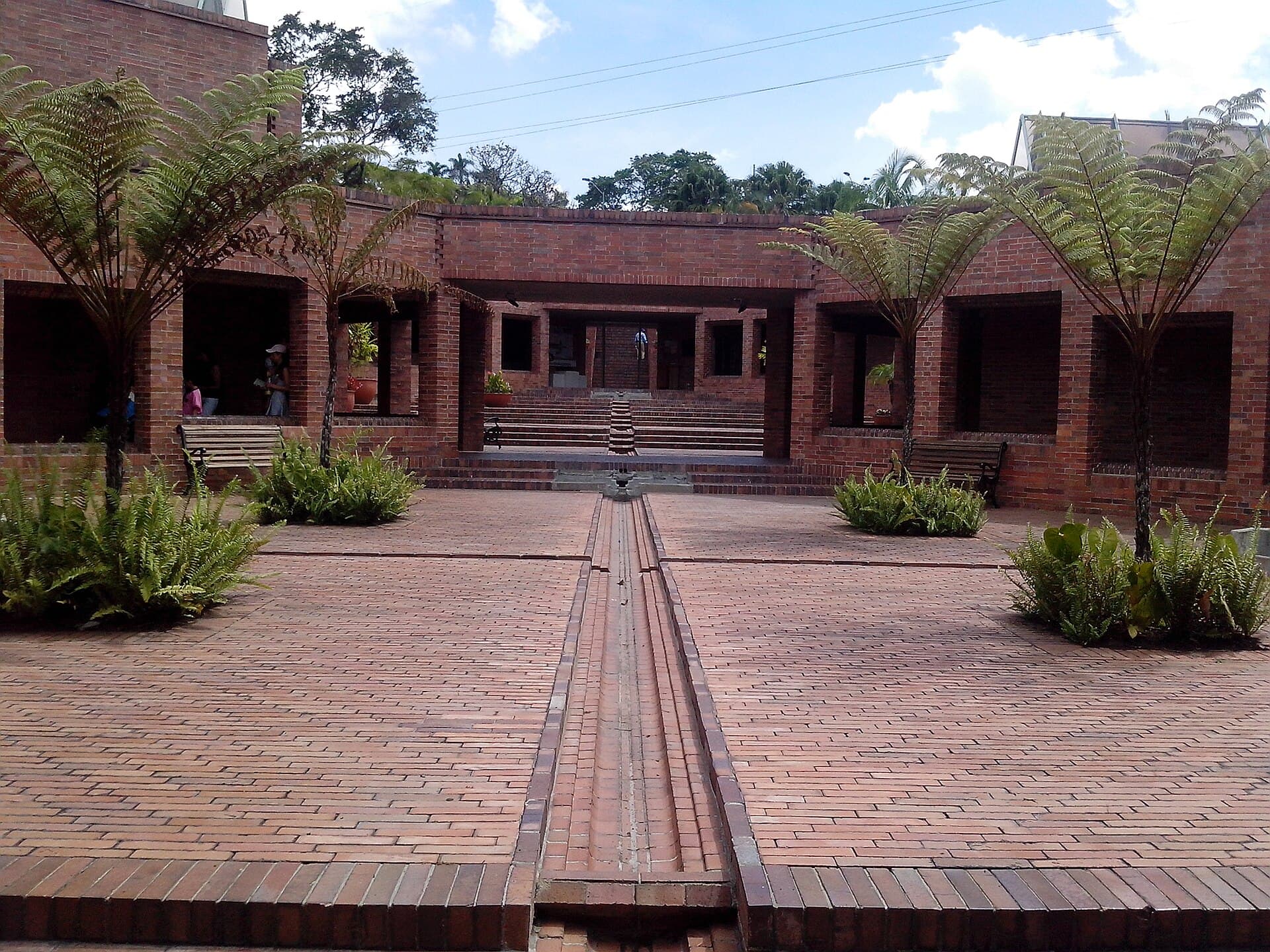
Armenia sits in the heart of Colombia’s Coffee Triangle, served by El Edén International Airport with direct flights from Bogotá and Medellín. From the terminal, a short taxi ride reaches the city center where the museum occupies a modern building near the main plaza. Long-distance buses arrive at the terminal terrestre; travelers can then use local buses or ride-hailing apps to reach the museum. The surrounding streets offer easy walking access to cafés and small parks.
Best Time to Visit and Nearby Attractions
The dry months from December through March provide the most comfortable conditions for combining a museum visit with outdoor exploration. After viewing the goldwork, many travelers continue to the Cocora Valley to hike among wax palms or to nearby fincas for coffee tours that illustrate how the same landscape supported both ancient settlements and today’s agricultural economy. Salento’s colorful colonial streets lie roughly 30 minutes away by road, offering a natural extension to any itinerary.
Visitor tips
- Pair your museum visit with a half-day coffee-farm tour to understand the continuity between pre-Columbian agriculture and modern production in the same valleys.
- Arrive early on weekdays to enjoy quieter galleries before tour groups arrive from Bogotu00e1 and Medellu00edn.
- Wear comfortable shoes if you plan to walk from the bus terminal; the museum sits a few blocks uphill from the main transport hub.
Frequently asked questions
What makes the Quimbaya Gold Museum different from other gold museums in Colombia?
It concentrates exclusively on artifacts from the Quimbaya culture found in the Quindu00edo region, offering deeper regional context than broader national collections.
How long should I allow for a visit?
Most visitors spend 60 to 90 minutes viewing the permanent collection and any temporary exhibits.
Is the museum suitable for children?
Yes, the clear labeling and striking visual displays engage younger visitors, though some explanatory text is in Spanish only.
Can I combine the museum with a trip to Cocora Valley?
Easily; many travelers visit the museum in the morning before heading 45 minutes east to the valley for afternoon hiking.
Are there restaurants near the museum?
Several casual cafu00e9s and traditional Colombian lunch spots line the surrounding blocks in central Armenia.