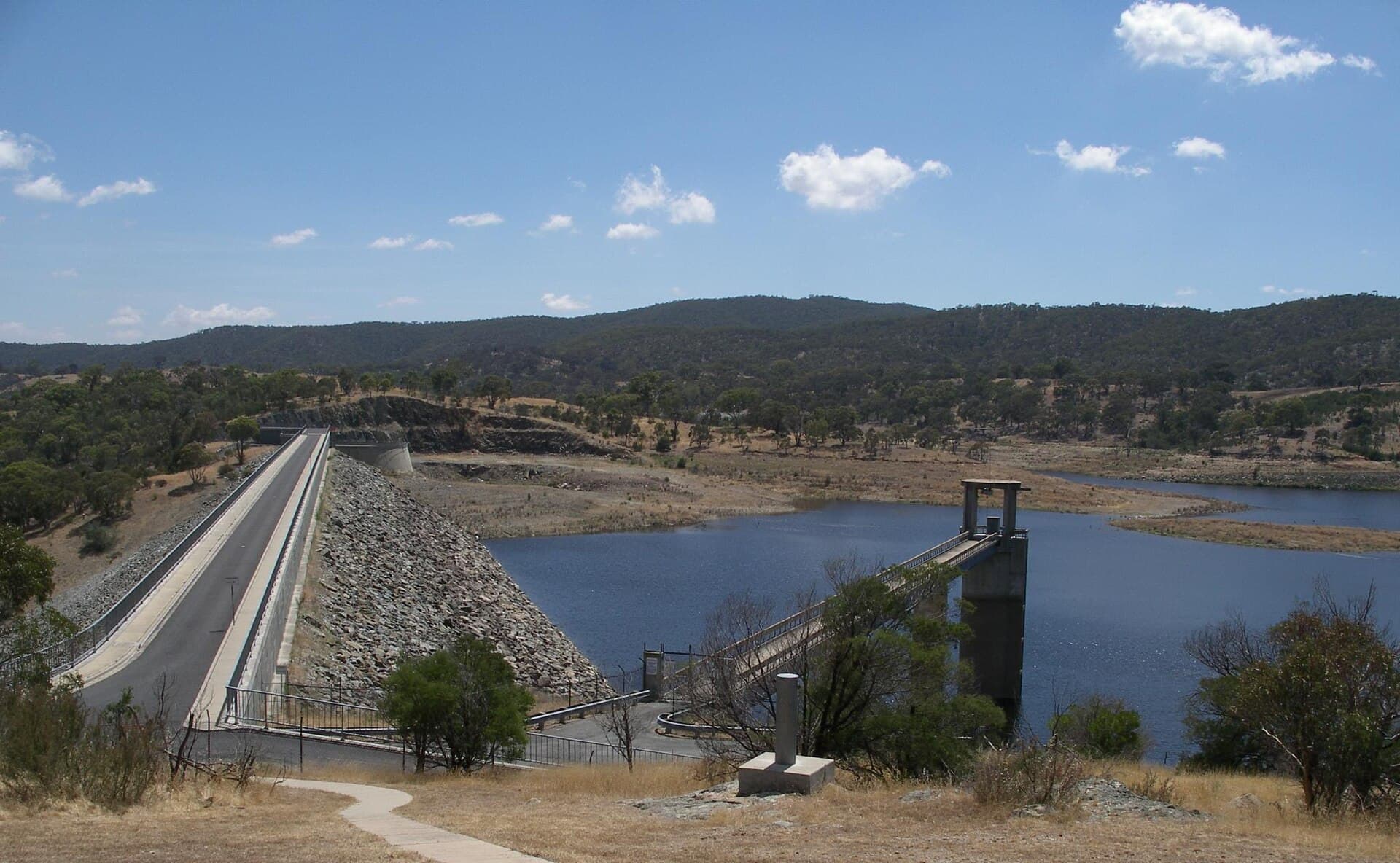
Why Visit the Queanbeyan River
The Queanbeyan River carves a gentle path through eucalypt woodland and open grasslands just outside Canberra, offering visitors a calm contrast to the city’s planned avenues. Its banks support platypus, water dragons and a variety of woodland birds, making it an easy place to experience the region’s natural character without travelling far.
What to See and Do
Follow the riverside walking and cycling paths that link Queanbeyan’s riverside parks with Canberra’s eastern nature reserves. Short loops suit families, while longer sections reward birdwatchers with kingfishers and white-faced herons. Anglers cast for trout and redfin in the deeper pools, and the shallow edges are popular for rock-hopping and paddling on warm days. Picnickers find shady river gums and open grass at several informal spots along the water.
Wildlife and Seasons
Look for platypus at dawn or dusk near deeper bends. In spring, wattles and native orchids line the banks; autumn brings cooler air and fewer insects, ideal for longer walks. Summer water levels can drop, concentrating birdlife around remaining pools.
Getting There
From central Canberra, drive east on the Kings Highway or Canberra Avenue and turn south toward Queanbeyan; several signed access points lead to parking areas beside the river. Public buses reach Queanbeyan town centre, from where short walks or local paths continue to the water. Cyclists can use the continuous shared path that follows the river from Canberra’s eastern suburbs.
Best Time to Visit
Early morning or late afternoon visits avoid heat and maximise wildlife sightings. Spring (September–November) and autumn (March–May) deliver mild temperatures and flowering or colourful foliage. After rain, the river can rise quickly, so check local conditions before heading out.
Nearby Attractions
Combine a river visit with time at Canberra’s Lake Burley Griffin, the Australian War Memorial or the bush trails of Mulligans Flat Nature Reserve. The short drive back into the capital also passes vineyards and the historic village of Bungendore.