
Keep reading
Nearby & related
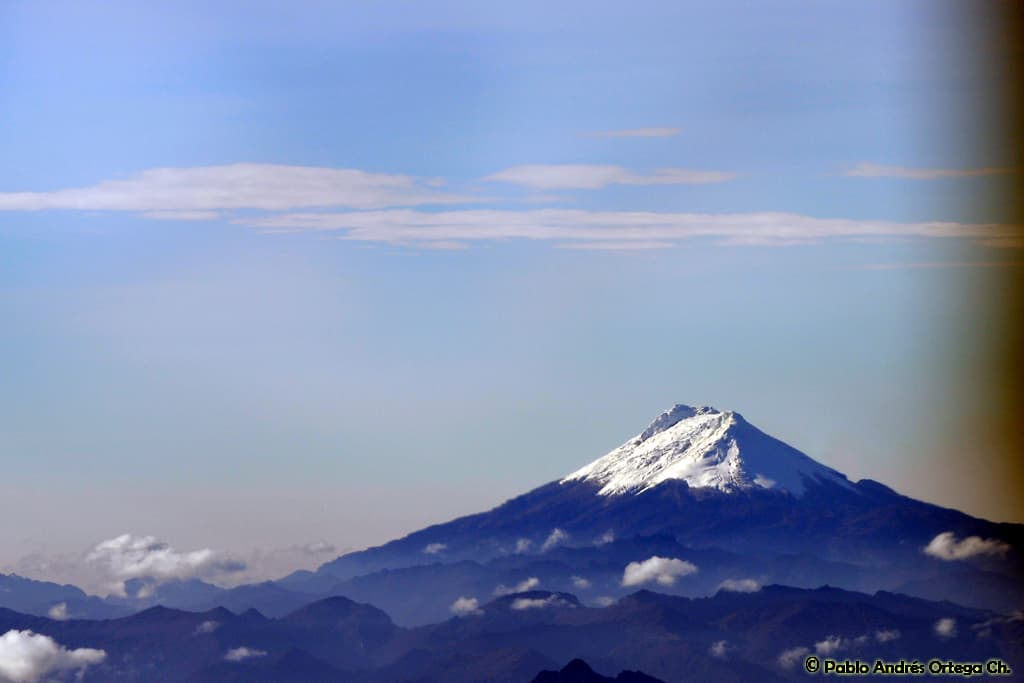
Nevado del Huila: Colombia’s Highest Active Volcano
A remote Andean giant offering serious mountaineers glacier views and solitude in southern Colombia.
25 November 2026
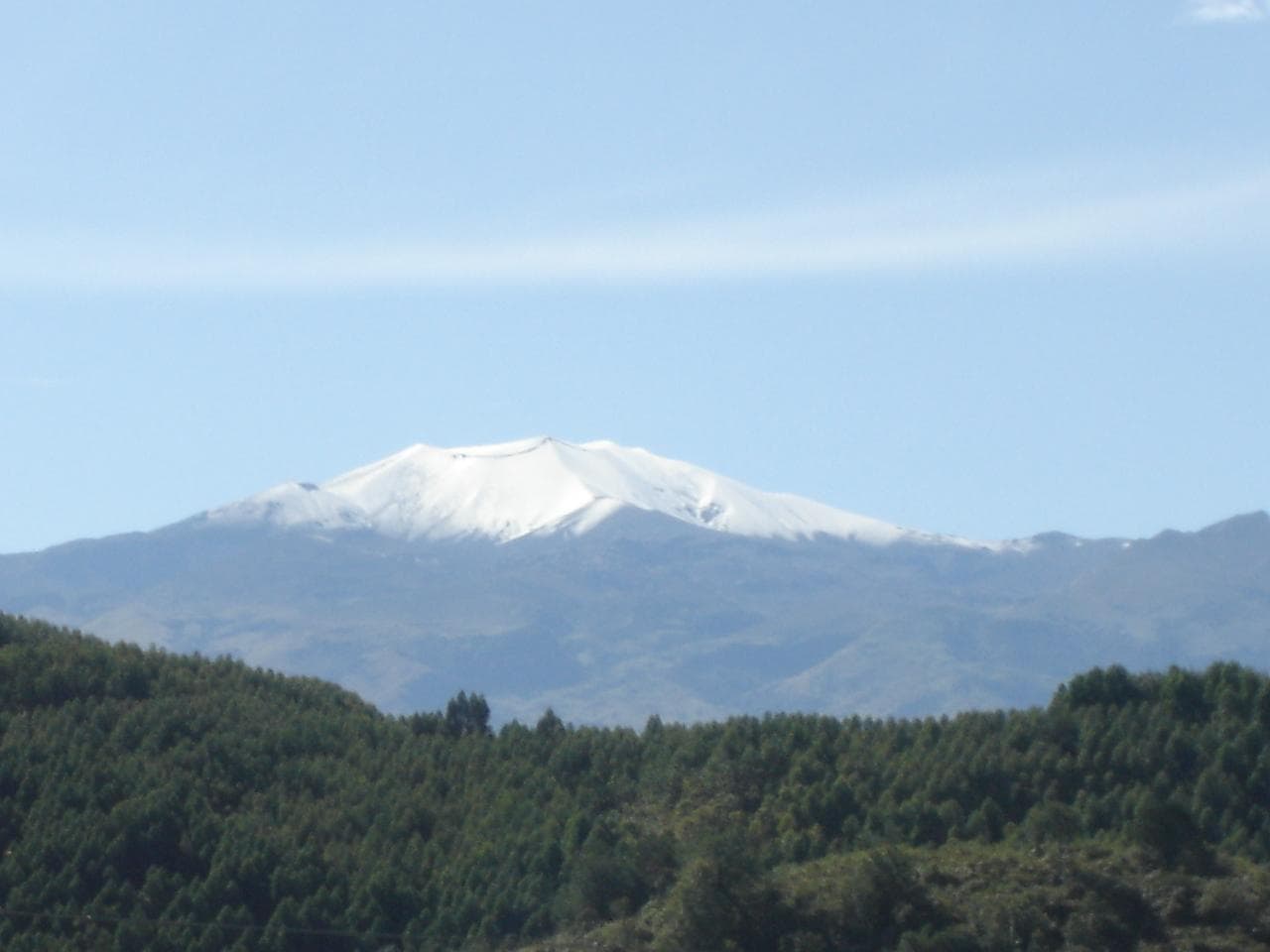
Trek through páramo grasslands to steaming fumaroles and a turquoise crater lake on this accessible yet dramatic stratovolcano.
Puracé rises to 4,646 meters in the Cordillera Central, one of Colombia’s few volcanoes where hikers can reach the crater rim on a single-day outing. The mountain’s constant fumaroles and sulfur vents create an otherworldly landscape of yellow mineral deposits and rising steam, set against the green páramo that blankets its slopes. Because it lies inside Puracé National Natural Park, the surrounding high-altitude wetlands host spectacled bears, Andean condors, and frailejones that thrive only above 3,500 meters.
Most visitors start from Popayán, 45 kilometers northwest. Shared vans and occasional buses run to the park entrance at Pilimbalá (3,200 m). From the entrance a well-marked trail climbs steadily through tussock grass; the round-trip hike to the crater rim takes six to eight hours for fit walkers. Private transfers or guided jeeps can drop hikers higher at the 3,800-meter refuge, shortening the walk by two hours each way.
The driest months are December through February and July through August, when clear mornings give the best crater views before afternoon clouds build. Volcanic activity is monitored continuously; the park closes trails when sulfur emissions or seismic readings rise, so checking conditions the day before travel is essential.
The main route follows an old service road past the park visitor center, then crosses a narrow ridge to the crater lip. On calm days the turquoise acid lake at the bottom is visible. A shorter loop leads to the Termales de San Juan hot springs, where 40 °C water emerges beside a cold mountain stream—ideal for soaking after the descent. Side trails reach the cascading Bedón waterfall and the páramo around Laguna de San Rafael, where wild horses sometimes graze.
After the hike, many travelers continue 30 minutes east to the indigenous town of Silvia, known for its Tuesday market of handwoven wool ponchos and fresh produce. Further south, the colonial streets of Popayán offer whitewashed churches and a famous Holy Week procession. To the north, the Pan de Azúcar and Sotará volcanoes provide multi-day trekking alternatives for those seeking longer expeditions.
Keep reading
A remote Andean giant offering serious mountaineers glacier views and solitude in southern Colombia.
The trail is steep but non-technical; most fit hikers manage it in six to eight hours round-trip. Those with limited time can shorten the route by taking a vehicle to the refuge at 3,800 m.
The volcano is monitored 24/7. Trails close automatically during elevated activity. When open, the main routes remain well within safe zones established by the geological service.
Basic cabins and camping are available at the Pilimbalu00e1 entrance inside the park. Most visitors base themselves in Popayu00e1n and travel up for the day.
Condors soar near the crater rim, while spectacled bears and mountain tapirs occasionally appear in the lower pu00e1ramo. Early morning departures increase sighting chances.
A park entry ticket is required at the gate. No technical climbing gear is needed, but sturdy boots, a headlamp for pre-dawn starts, and a warm jacket are strongly recommended.
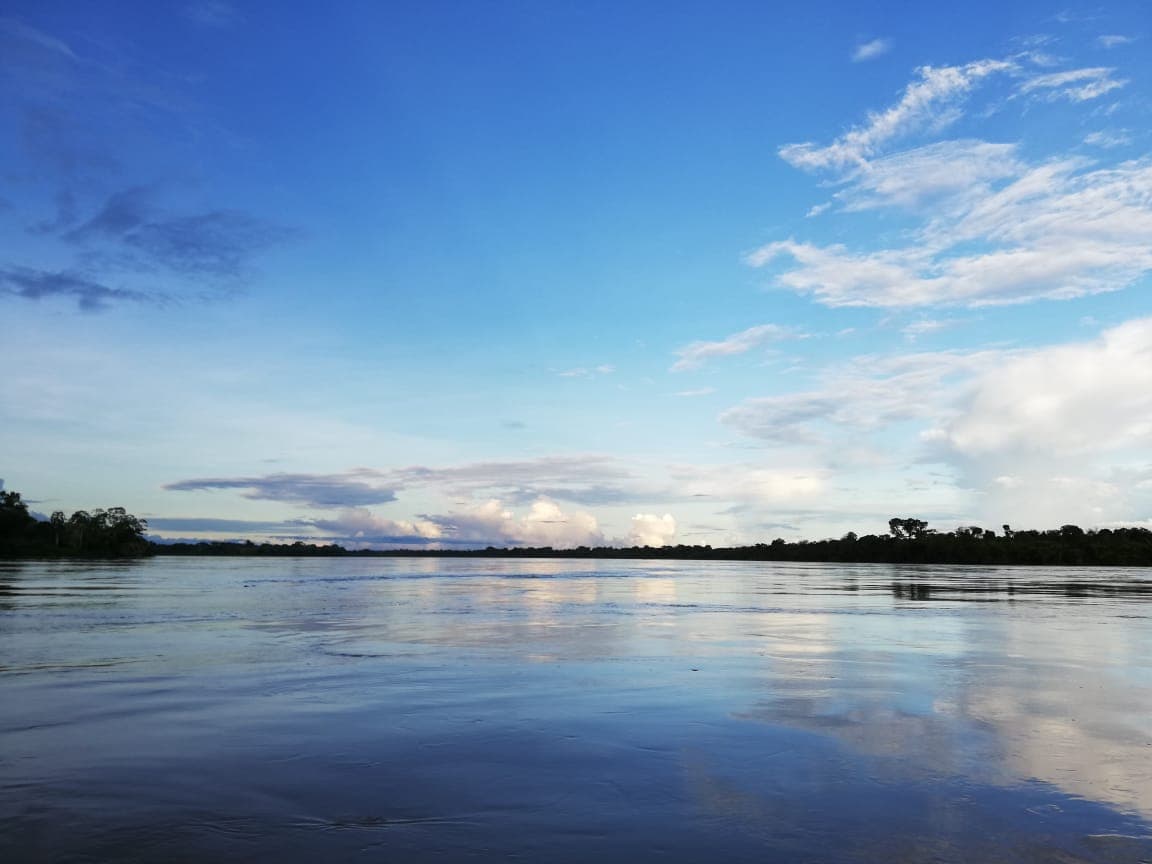
Venture deep into the Colombian Amazon along the Japurá River for unparalleled biodiversity and indigenous encounters.