
Keep reading
Nearby & related
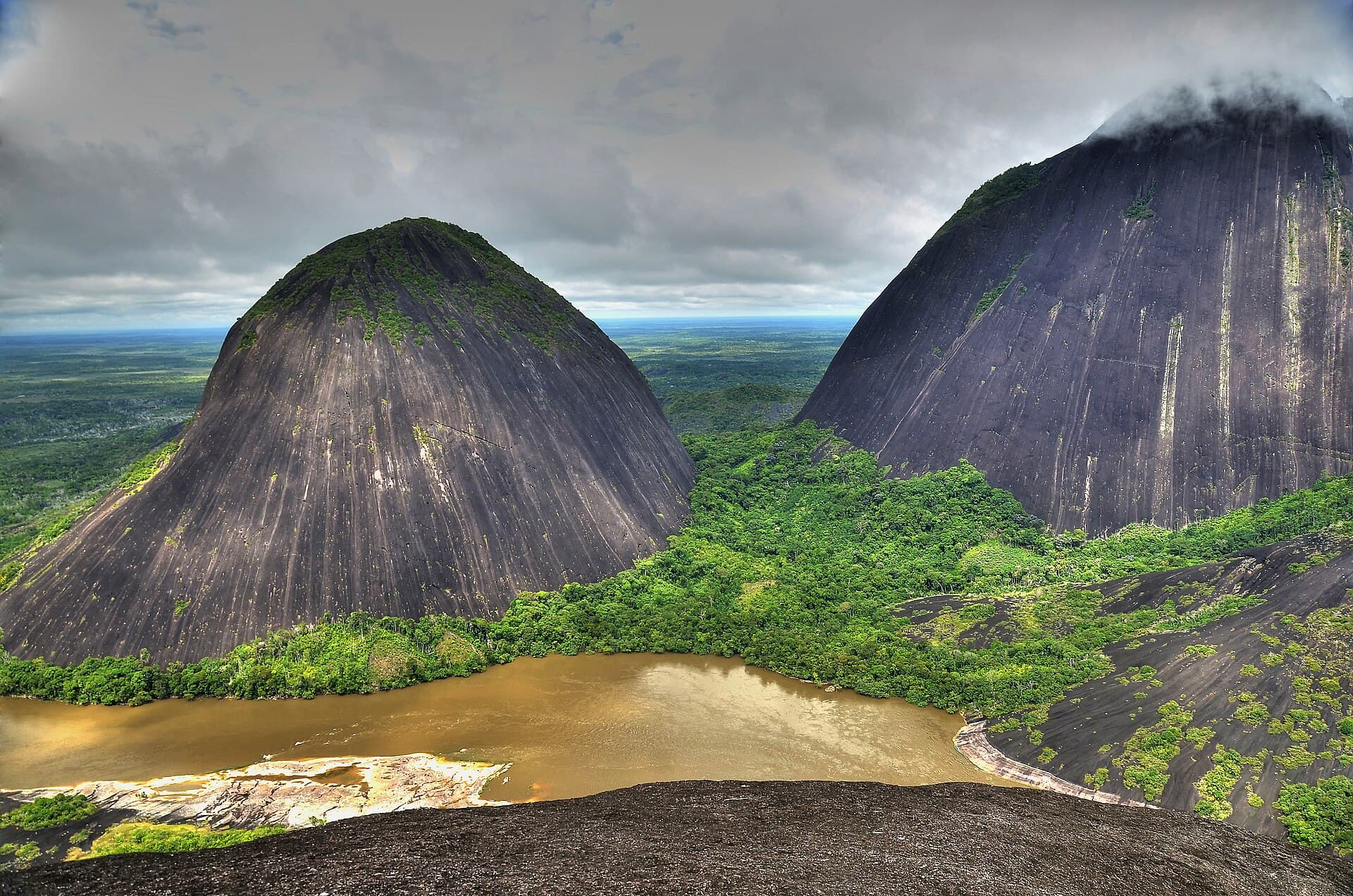
Cerros de Mavecure: Colombia’s Dramatic Amazonian Inselbergs
Three sacred granite peaks rising abruptly from the rainforest draw hikers and travelers seeking remote wilderness in…
26 November 2026
Venture deep into one of Colombia’s largest protected areas for untouched rainforest, meandering rivers, and living indigenous traditions.
Spanning more than a million hectares across Guainía department, Puinawai Natural Reserve protects a rare mosaic of Amazonian rainforest, white-sand savannas, and blackwater rivers. The reserve shelters jaguars, giant river otters, and hundreds of bird species while supporting Puinave and Curripaco communities whose traditional knowledge shapes sustainable travel experiences. Visitors seeking genuine wilderness rather than developed tourism find here an authentic slice of the Colombian Amazon rarely reached by outsiders.
Most travelers begin in Bogotá with a commercial flight to Inírida, the departmental capital. From Inírida, access continues by motorized canoe along the Inírida River or its tributaries; journeys of several hours are common. Some operators arrange light-aircraft charters that land on remote grass strips inside the reserve. Independent travel requires permits from local indigenous authorities and advance coordination with authorized guides.
Wildlife viewing peaks at dawn and dusk along river corridors where monkeys, macaws, and caimans are frequently spotted. Multi-day canoe trips reveal hidden waterfalls and granite outcrops rising from the savanna. Cultural visits to riverside villages offer opportunities to learn about traditional fishing techniques, manioc processing, and medicinal plant use under community guidance. Birders target endemics such as the Guianan cock-of-the-rock and various antbirds in the forest interior. Night walks and river floats provide chances to observe nocturnal mammals and constellations unobscured by light pollution.
The drier months from December through March offer lower river levels, easier navigation, and fewer mosquitoes. April to November brings heavier rains that can flood trails but also concentrate wildlife near remaining dry ground and produce dramatic thunderstorms. Year-round temperatures hover near 30 °C with high humidity; pack lightweight, quick-dry clothing and sturdy rubber boots for muddy terrain.
After exploring Puinawai, many visitors continue to the dramatic granite hills of Cerro de Mavicure or the rapids of the Orinoco near Puerto Inírida. The nearby Matavén Forest and Nukak Reserve offer additional opportunities for extended Amazonian itineraries when combined with local guides.
Yes. All visitors must obtain authorization from the relevant indigenous authorities in Inu00edrida before departure; your guide typically arranges this.
Motorized dugout canoes are the primary means of transport; overland hiking is possible only on short established trails near river camps.
No permanent hotels exist. Travelers stay in simple community-run camps or hammock shelters built for visitors.
Expect long days on boats, occasional portages, and basic camping conditions; moderate fitness and tolerance for heat and insects are essential.
Independent travel is strongly discouraged and often prohibited; local knowledge is required for navigation, permits, and safety.
Keep reading
Three sacred granite peaks rising abruptly from the rainforest draw hikers and travelers seeking remote wilderness in…