Keep reading
Nearby & related
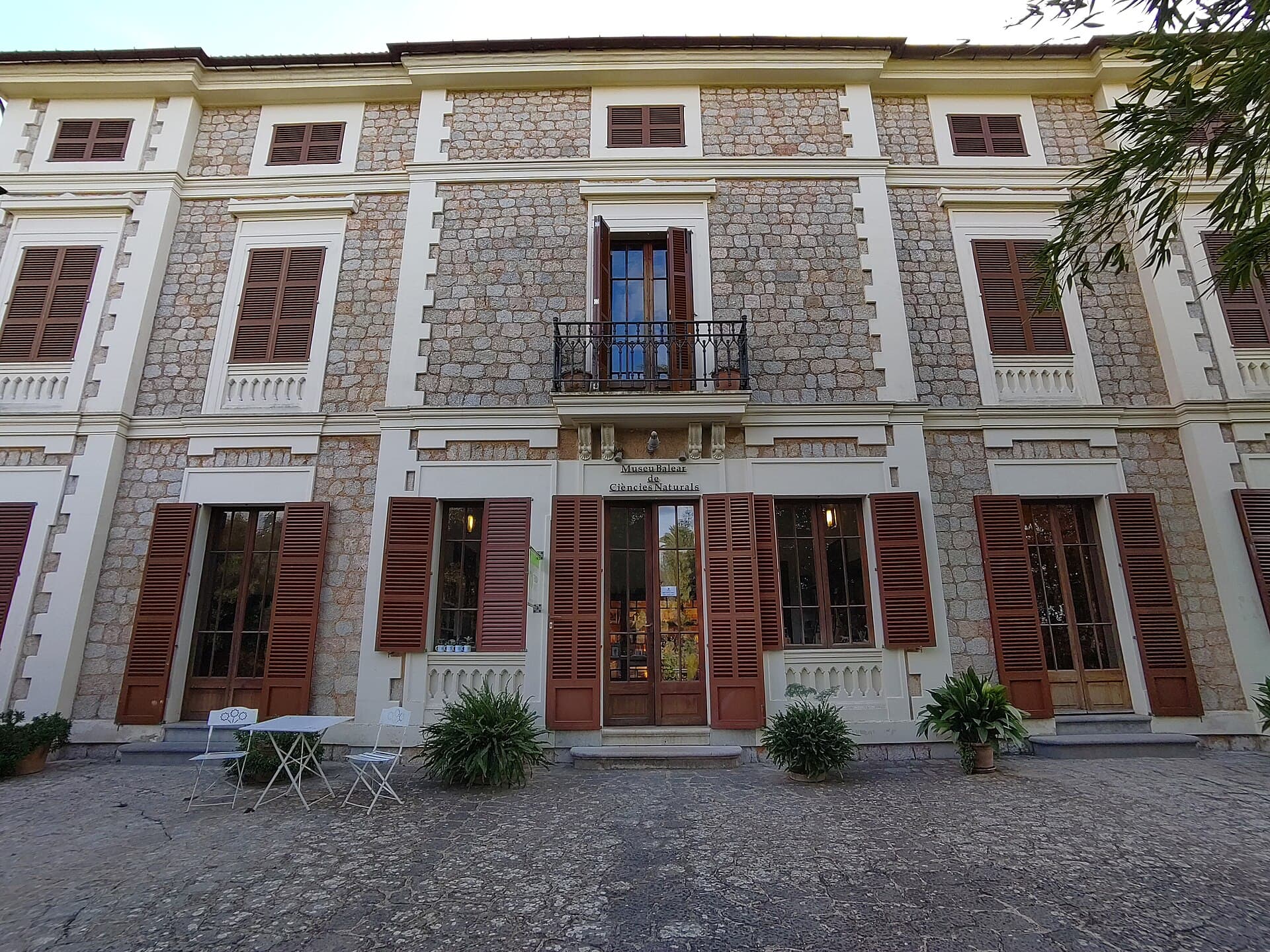
Museu Balear de Ciències Naturals: Mallorca’s Window into Balearic Biodiversity
Explore the islands’ geology, endemic plants, and wildlife at this focused natural-history museum in Sóller.
21 September 2026
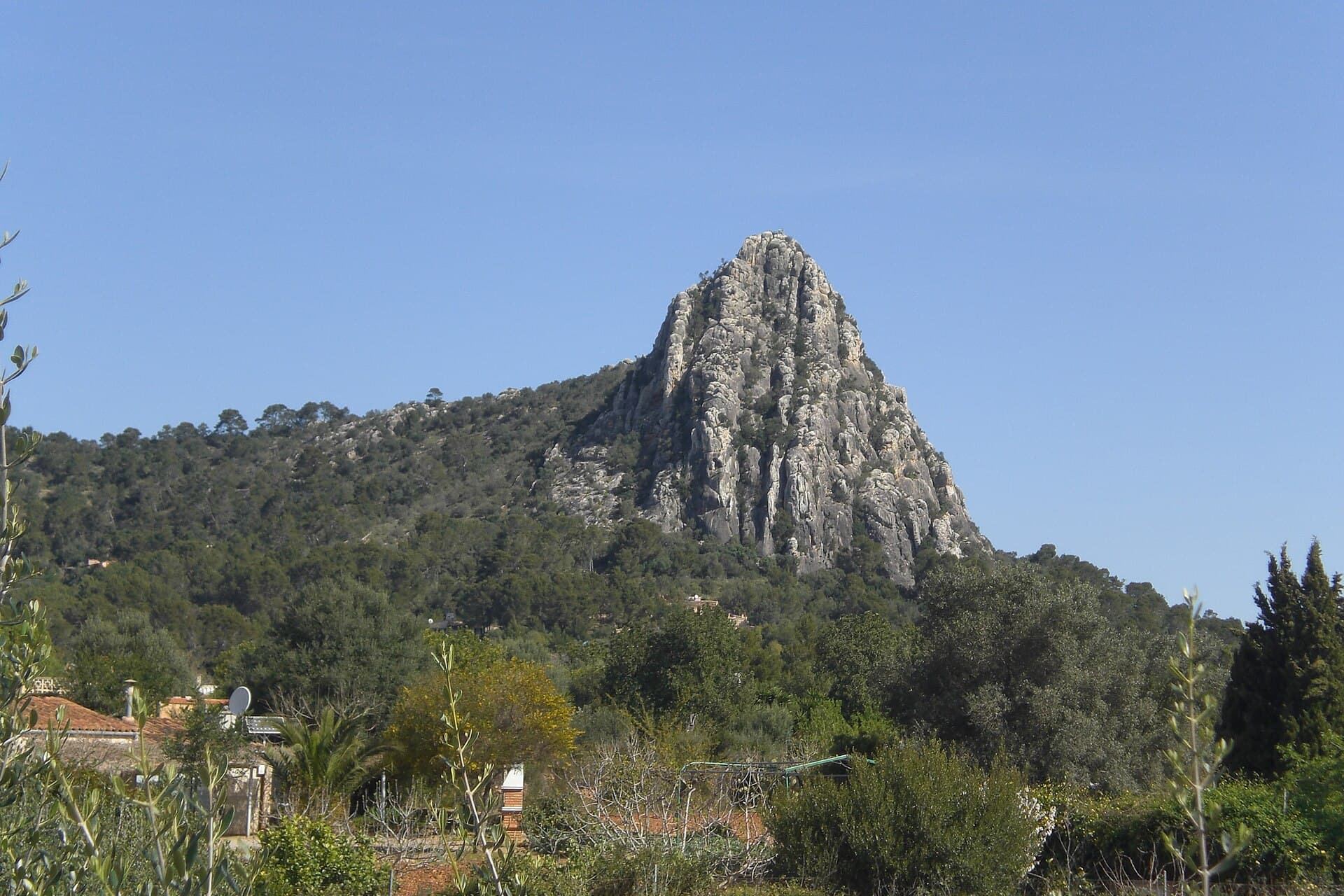
A rewarding half-day hike on eastern Mallorca’s modest but scenic Puig de ses Bruixes delivers sweeping coastal and mountain vistas plus a touch of local folklore.
Puig de ses Bruixes rises gently above the flat farmlands and pine woods between Artà and Capdepera, offering walkers an accessible summit with 360-degree views across the Bay of Alcúdia and the Serra de Tramuntana on clear days. The name, translating as “Witch’s Peak,” stems from centuries-old legends that still give the hill a quiet, slightly mysterious character among locals.
The 300-metre climb rewards modest effort with unobstructed panoramas that stretch from the lighthouse at Cap de Capdepera to the distant peaks of the Tramuntana. In spring the surrounding terraces bloom with wildflowers; in autumn the air is crisp and the light golden. Because the route is short and well-marked, it suits families and photographers who want a genuine Mallorcan countryside experience without committing to a full-day trek.
Two main paths reach the trig point and small stone shelter at the top. The western approach begins near the hamlet of sa Duaia and follows a wide track that narrows into a rocky footpath through Aleppo pines. The eastern route starts closer to the C-715 road and passes old dry-stone walls and almond groves before joining the final ridge. Both routes take 45–60 minutes one way for most walkers; the terrain is stony but never exposed or technical.
By car, leave the Ma-12 or C-715 and follow signs toward sa Duaia or the Ermita de Betlem; limited verge parking is available at the trailheads. Public transport is limited—buses run between Artà and Capdepera, but hikers must walk an extra 2–3 km from the nearest stop. A taxi from Artà takes about ten minutes and can be arranged for the return if preferred.
October through May offers the most comfortable temperatures and fewer insects. Summer hikes are possible early in the morning or late afternoon, but carry extra water. Winter days can be bright yet windy on the summit; check the forecast for gusts before setting out.
Keep reading
Explore the islands’ geology, endemic plants, and wildlife at this focused natural-history museum in Sóller.
The route is moderate for most adults and older children; total elevation gain is under 300 m and the paths are clear, though rocky in places.
Dogs are permitted if kept on a lead; owners should carry water for their pets as none is available on the mountain.
Pine woodland provides intermittent shade on both main routes, but the final ridge section is exposedu2014sun protection is essential.
Yes; many visitors hike in the morning then continue to Cala Agulla or Cala Ratjada for lunch and a swim.
Descend promptly via the same route; the open ridge offers little shelter and gusts can be strong even when the base is calm.
A straightforward ascent to sweeping views across northeastern Mallorca’s coastline and countryside.
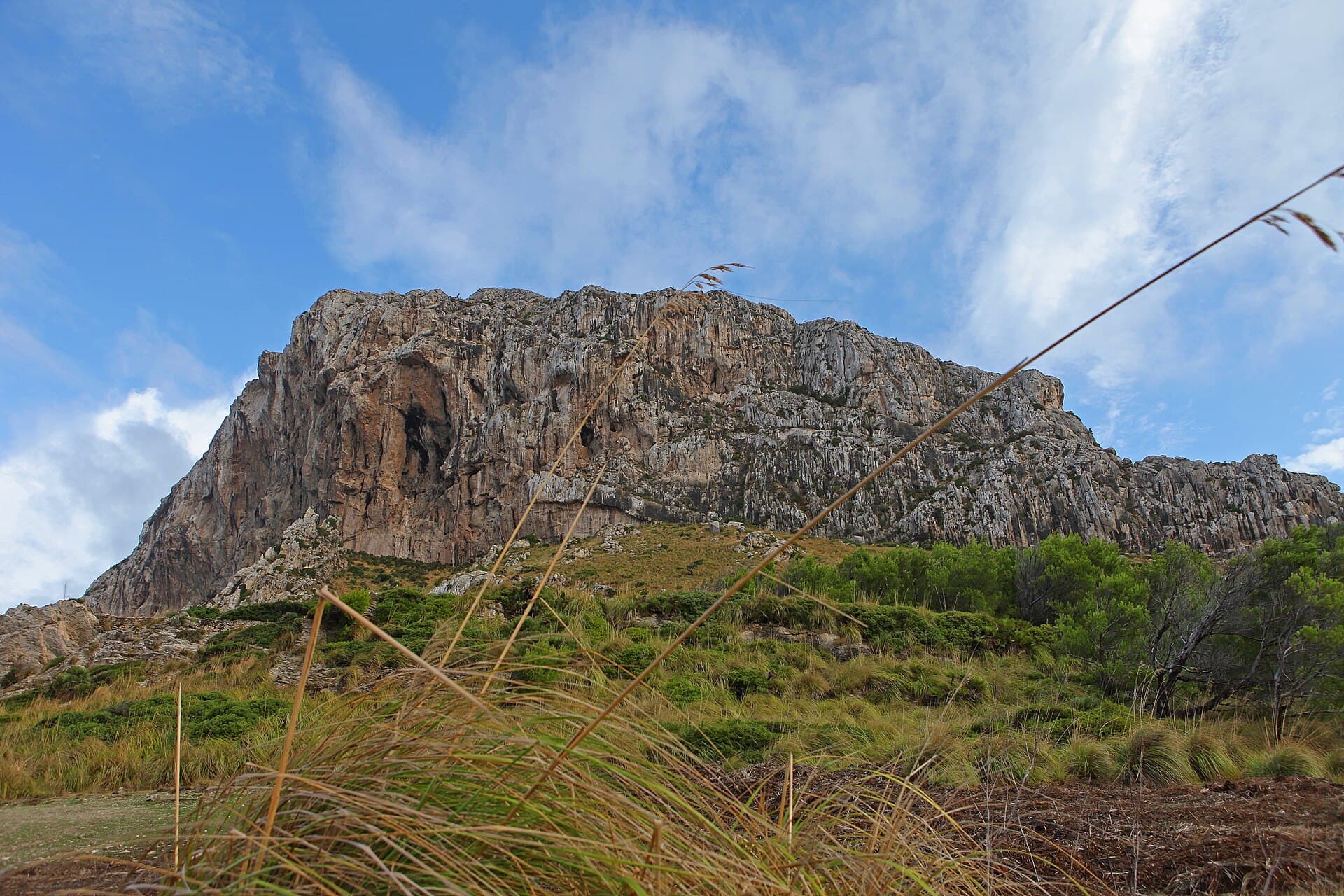
Scale the rugged summit of El Fumat for sweeping coastal views across Menorca’s wild north.