
Prince of Wales Island: Remote Wilderness and Tongass Rainforest Adventures in Alaska
Discover fishing, old-growth forests, indigenous culture, and wildlife on Alaska's largest island outside Hawaii.
Why Prince of Wales Island Stands Out
Prince of Wales Island sits in Alaska’s Alexander Archipelago within the Tongass National Forest, offering visitors one of the most intact temperate rainforests in North America. Its 2,231 square miles of rugged coastline, limestone caves, and salmon-rich streams create a destination defined by solitude rather than crowds. The island supports strong populations of black bears, Sitka black-tailed deer, bald eagles, and all five Pacific salmon species, making it a prime spot for wildlife viewing and sport fishing without the infrastructure of more developed Alaska destinations.
Getting There
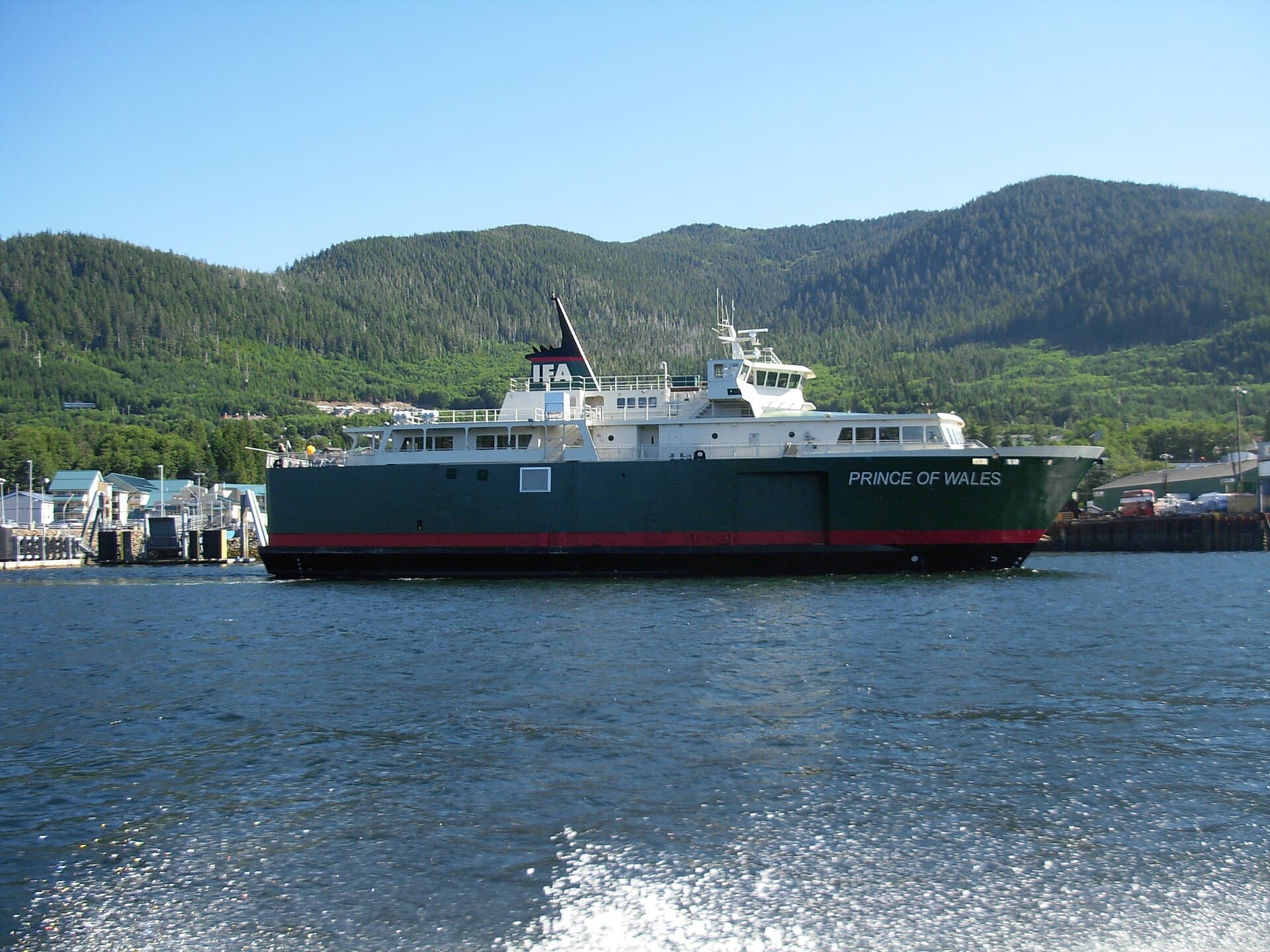
Access requires planning because no roads connect the island to the mainland. Most travelers arrive via the Alaska Marine Highway ferry from Ketchikan, a scenic 2.5- to 3-hour crossing that often includes whale sightings. Small commuter planes serve the island’s airports at Klawock and Craig from Ketchikan or Juneau. Once on the island, a network of mostly paved roads links the main communities, allowing independent exploration by rental car or bicycle.
Things to See and Do
Base yourself in Craig or Klawock to reach day-use trails and beaches. Popular activities include kayaking the protected waters of the west coast, hiking to the El Capitan Cave system for guided tours of the longest known sea cave in the U.S., and visiting the Haida Heritage Centre in Hydaburg to learn about the island’s Tlingit and Haida history through standing totem poles and carving demonstrations. Anglers target king and silver salmon from charter boats or the public docks; hikers can follow the remote Thorne River or beach-comb for agates and glass floats. Scenic drives along the island’s 400-plus miles of road reveal clear-cuts regenerating into second-growth forest alongside protected old-growth stands.
Best Time to Visit
Late May through early September offers the mildest weather, longest daylight, and peak fishing seasons. July and August bring the warmest temperatures and most reliable ferry schedules, while shoulder months of May and September provide fewer visitors and active wildlife. Winter travel is possible but limited by short days, frequent storms, and reduced ferry service.
Nearby Destinations
From Prince of Wales, day or overnight trips reach Ketchikan’s Creek Street and totem parks or the Misty Fjords National Monument by floatplane. The island also serves as a gateway to smaller neighboring islands such as Dall and Suemez for extended paddling routes.
Visitor tips
- Reserve ferry space and lodging well ahead for summer travel, as capacity is limited.
- Carry rain gear and layers year-round; the temperate rainforest receives over 100 inches of precipitation annually.
- Practice Leave No Trace principles and store food properly to avoid attracting bears in remote areas.
Frequently asked questions
How do I reach Prince of Wales Island without a car?
Fly into Klawock or Craig airports from Ketchikan, then use local shuttles, taxis, or rent a vehicle upon arrival. Ferries also accept walk-on passengers.
What kind of fishing is available?
Both saltwater charters and freshwater streams offer opportunities for salmon and halibut. Many visitors hire local guides for safety and knowledge of regulations.
Are there hiking trails suitable for beginners?
Yes. Short interpretive paths exist near Craig and Klawock; longer options like the Thorne River trail require more preparation and bear awareness.
What cultural sites should I visit?
Hydaburgu2019s totem park and carving shed, plus the Haida Heritage Centre, provide the best introduction to the islandu2019s living Tlingit and Haida traditions.
Is cell service reliable on the island?
Service is spotty outside the main towns. Plan to use satellite messengers or check coverage maps before heading to remote trailheads or beaches.