Why Playa de Ostende Stands Out
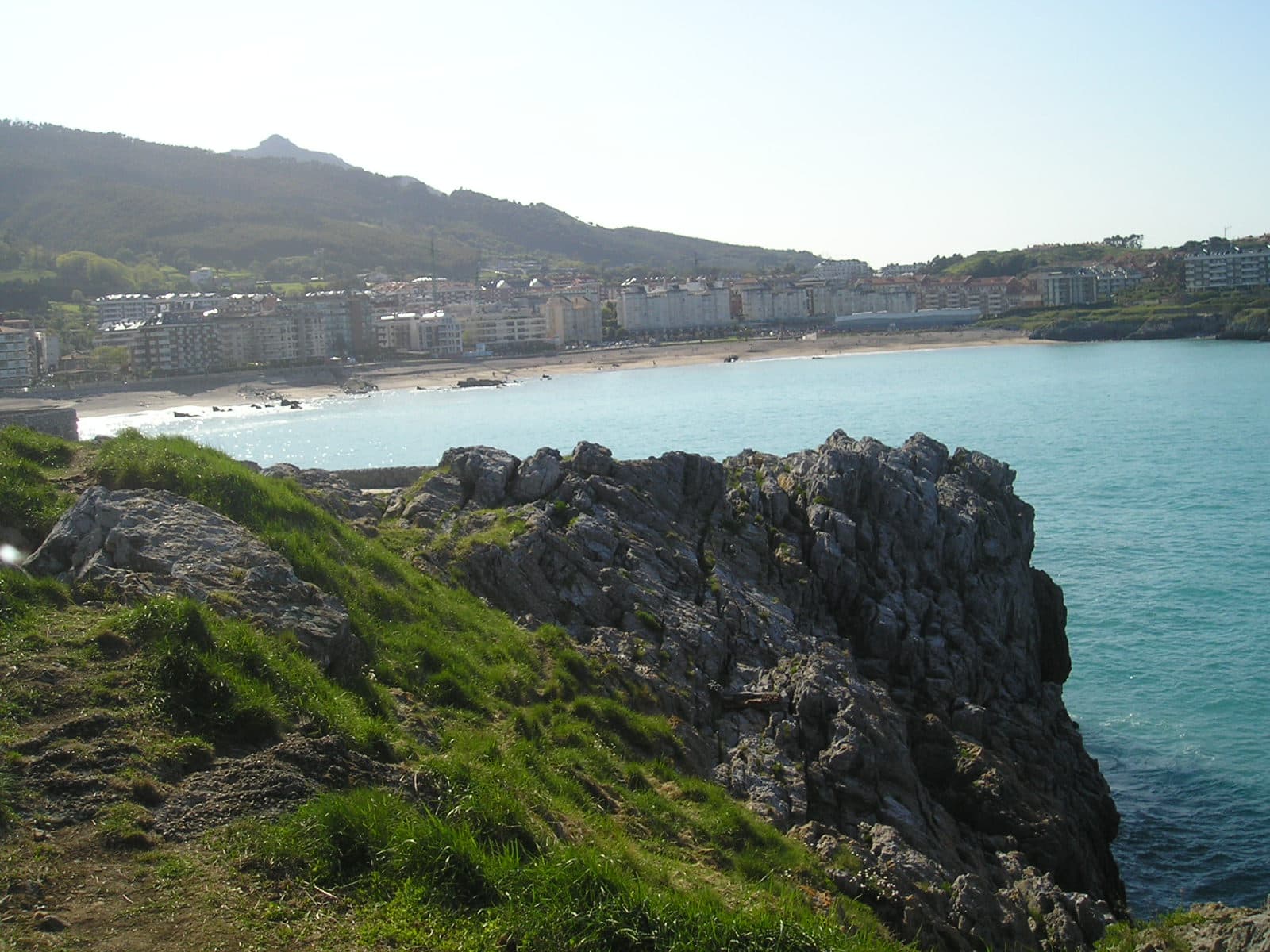
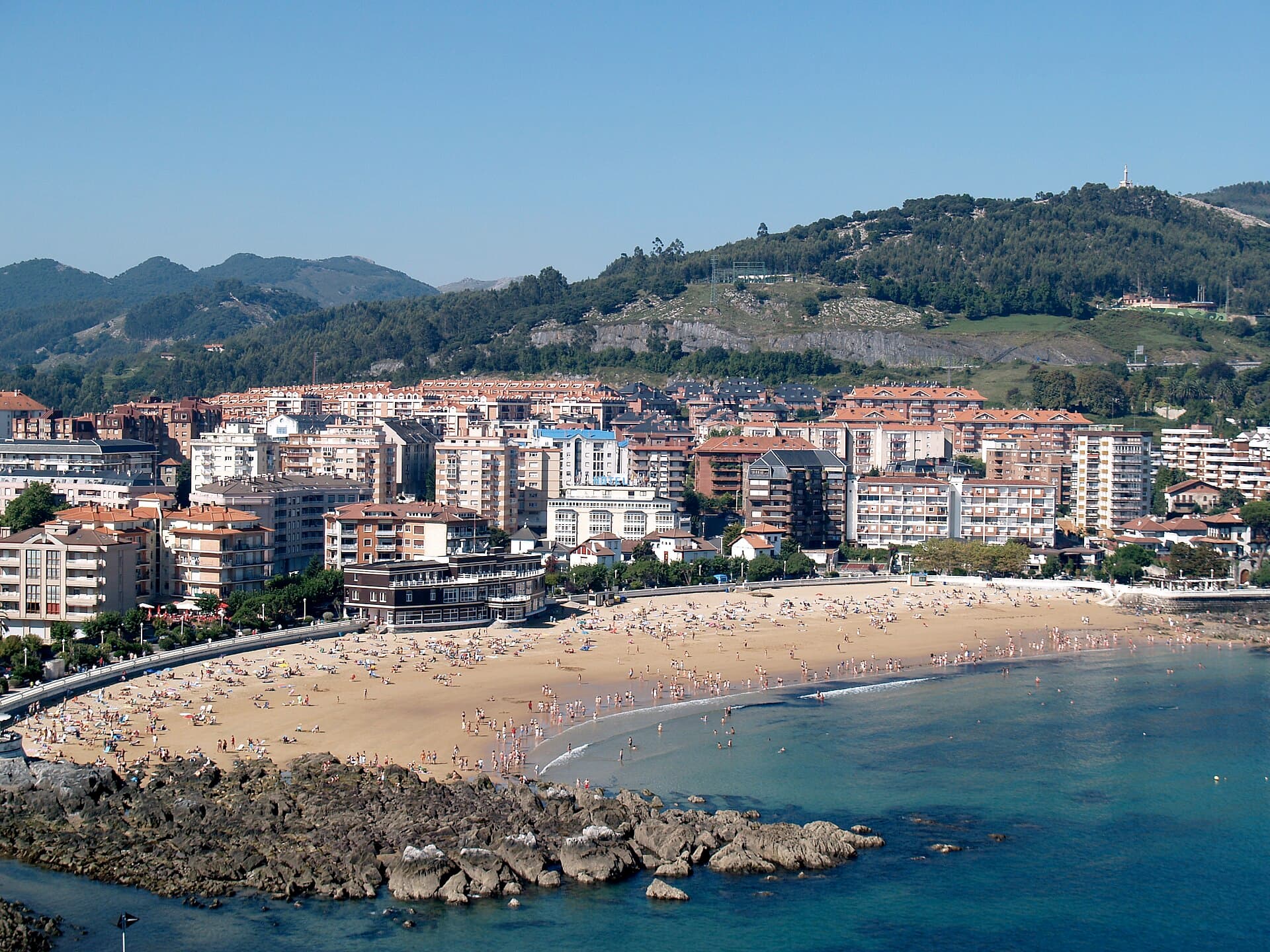
Playa de Ostende sits at the eastern edge of Castro Urdiales, a compact sandy cove protected by breakwaters that keeps waves gentle even on breezy days. The beach faces north into the Bay of Biscay yet remains surprisingly calm because of the natural rock arms that frame it. Locals and visitors alike appreciate the clean sand, shallow entry, and the long seafront promenade that links the beach straight into the town’s medieval core.
What to See and Do
Swimming and sunbathing are the main draws, but the real pleasure lies in combining beach time with a stroll along the Paseo Marítimo. The promenade runs the full length of the beach and continues westward past fishing boats tied up in the harbor. At the far end, the 13th-century Iglesia de Santa María and the lighthouse atop the rocky headland provide dramatic backdrops for photos. On clear days the Picos de Europa mountains are visible inland.
Activities for Every Visitor
- Early-morning or late-afternoon walks along the sand when the tide is low reveal small rock pools.
- Sea kayaking or stand-up paddleboarding is possible from the eastern end; rental operators set up seasonally on the promenade.
- Picnics are popular on the grassy area just behind the beach; several benches face the water.
- Children enjoy the playground and shallow wading zone near the central lifeguard post.
Getting There
From Bilbao, the quickest route is the A-8 motorway west to exit 147, then the N-634 into Castro Urdiales (about 35 minutes). Once in town, follow signs for “Playa Ostende” and park in the large lot behind the promenade or use the smaller paid spaces along Calle Ostende. Regional buses from Santander and Bilbao stop at the main bus station, a five-minute walk from the sand. The FEVE train line also serves Castro Urdiales station, again within easy walking distance.
Best Time to Visit
June through early September brings the warmest water and longest days, perfect for swimming. May and October offer milder temperatures and far fewer people, ideal for long walks and photography. Winter visits are possible for bracing sea air, though the beach is mainly used then for dog walking and storm watching. Cantabria’s frequent rain means checking the forecast and bringing a light jacket even in summer.
Nearby Attractions Worth Exploring
After a morning on the sand, walk five minutes west to the fishing harbor for fresh seafood at waterfront restaurants. Continue another ten minutes to the Castillo-Faro complex, where the castle ruins and lighthouse offer panoramic views. A short drive or bus ride east reaches the larger Playa de Brazomar or the cliffs of the Costa Quebrada, both popular for more dramatic coastal scenery.