
Skip to content
Plan & Tour
DestinationsItinerariesTravel BlogAboutContact
0Sign inPlan a trip
Plan & TourPlan & Tour

Travel guides, destination inspiration and curated itineraries for Canada, the USA and beyond, plus a free tool to plan your own day-by-day trip.

Get travel inspiration

Explore

  • All Destinations
  • Curated Itineraries
  • Travel Blog
  • Plan a Trip

Topics

  • Hiking & Nature
  • Food & Drink
  • City Breaks
  • Budget Travel

Company

  • About Us
  • Contact
  • Privacy Policy
  • Terms of Service

© 2026 Plan & Tour. Built for travellers.

Discover the world, one trip at a time.

Pietre dell’Incavallicata: Calabria’s Ancient Rock Art Sanctuary
  1. Home
  2. Destinations
  3. Calabria
  4. Pietre dell’Incavallicata: Calabria’s Ancient Rock Art Sanctuary
Archaeological site

Pietre dell’Incavallicata: Calabria’s Ancient Rock Art Sanctuary

Explore the prehistoric carvings and megalithic stones at this remote archaeological site in the Calabrian hills.

CalabriaUpdated 17 October 2026

The Enigmatic Stones of Pietre dell’Incavallicata

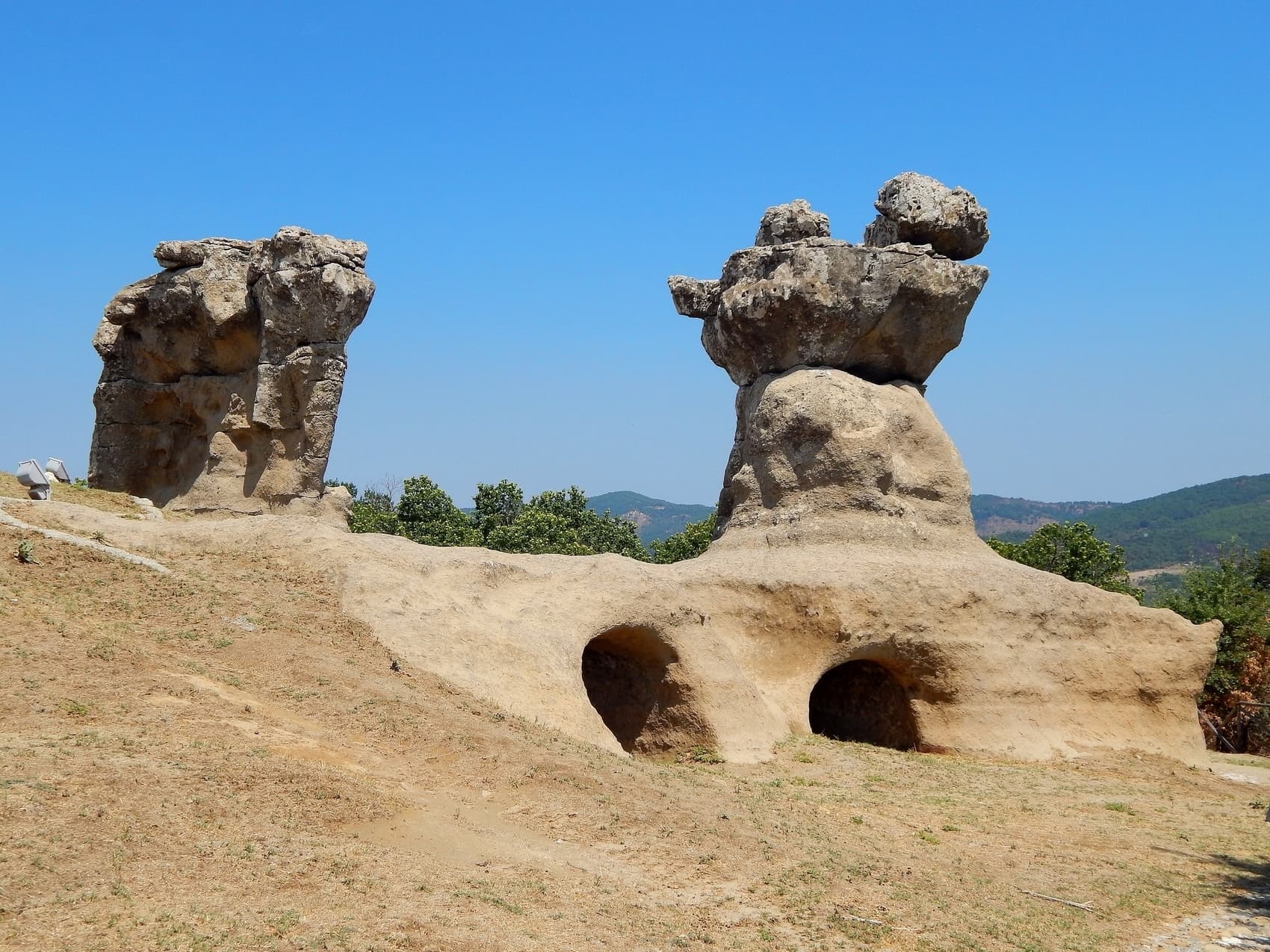
Hidden among the rolling hills of Calabria, Pietre dell’Incavallicata preserves one of the region’s most intriguing prehistoric landscapes. Scattered across a natural terrace are large stones bearing cup marks, linear incisions, and abstract symbols carved by early inhabitants thousands of years ago. The site offers visitors a tangible connection to ancient ritual practices in a setting that remains largely untouched by modern development.

Historical and Cultural Context

Archaeologists associate these engravings with Bronze Age and possibly earlier communities who used the elevated location for ceremonies or territorial markers. The stones stand amid scrubland and scattered oaks, their weathered surfaces telling stories of repeated human presence. Unlike more famous Italian rock-art sites, Pietre dell’Incavallicata retains an intimate scale that rewards slow, attentive exploration.

What to See and Do

  • Walk the short interpretive paths to locate the main engraved panels and isolated menhirs.
  • Observe the orientation of larger boulders, which some researchers link to seasonal sunlight patterns.
  • Photograph the contrast between the incised motifs and the surrounding Mediterranean vegetation, especially at golden hour.
  • Combine the visit with birdwatching; the quiet terrain attracts raptors and songbirds year-round.

Getting There and Best Time to Visit

Reach the site by car via secondary roads from the Pollino area or the town of Castrovillari. A final unpaved track leads to a small parking area; the remaining distance is covered on foot along a gentle slope. Spring and autumn provide the most comfortable conditions, with mild temperatures and fewer insects than in summer. Winter visits are possible on clear days but may involve muddy paths after rain.

Nearby Places Worth Exploring

Combine your trip with the dramatic gorges of the Pollino National Park, the medieval hill town of Civita, or the Byzantine cave churches near San Lorenzo Bellizzi. These destinations lie within a short drive and share the same rugged Calabrian landscape that makes Pietre dell’Incavallicata feel timeless.

Visitor tips

  • Wear sturdy walking shoes with good grip, as paths can be rocky and uneven.
  • Carry sufficient water and sun protection; shade is limited once you leave the parking area.
  • Stay on marked trails to protect fragile engravings and avoid disturbing nesting birds.

Frequently asked questions

How long does a typical visit take?+

Most visitors spend one to two hours walking the main paths and examining the stones, though photographers may stay longer.

Is the site suitable for children?+

Yes, the terrain is relatively gentle, but supervise younger children near the stones and bring snacks and water.

Are there guided tours available?+

Local archaeological associations occasionally organize visits; check with regional tourism offices for current schedules.

Can I visit in summer?+

Summer visits are feasible early in the morning or late afternoon to avoid intense heat and glare on the stones.

What should I bring besides water?+

A hat, sunscreen, a camera with a macro lens for details, and a field guide to Mediterranean flora enhance the experience.

Share
Google Maps Apple Maps Directions

Image: Petrungaro · CC BY-SA 3.0 · via Wikimedia Commons

Keep reading

Nearby & related

All stories
S
Calabria

Silos Archaeological Site: Ancient Ruins in Coastal Calabria

Explore the layered history and quiet coastal setting of Silos, an archaeological site near Crotone that preserves…

18 October 2026
C
Calabria

Cannoni Archaeological Site: Ancient Ruins in Calabria’s Heartland

Wander the weathered remains of Cannoni, an evocative archaeological site near Crotone revealing layers of ancient…

18 October 2026
T
Calabria

Torrionetto Archaeological Site: Calabria’s Quiet Window into Ancient Magna Graecia

Trace layers of Greek and Roman history at this compact, coastal ruin near Crotone.

18 October 2026