Discovering Piedras del Tunjo Archaeological Park
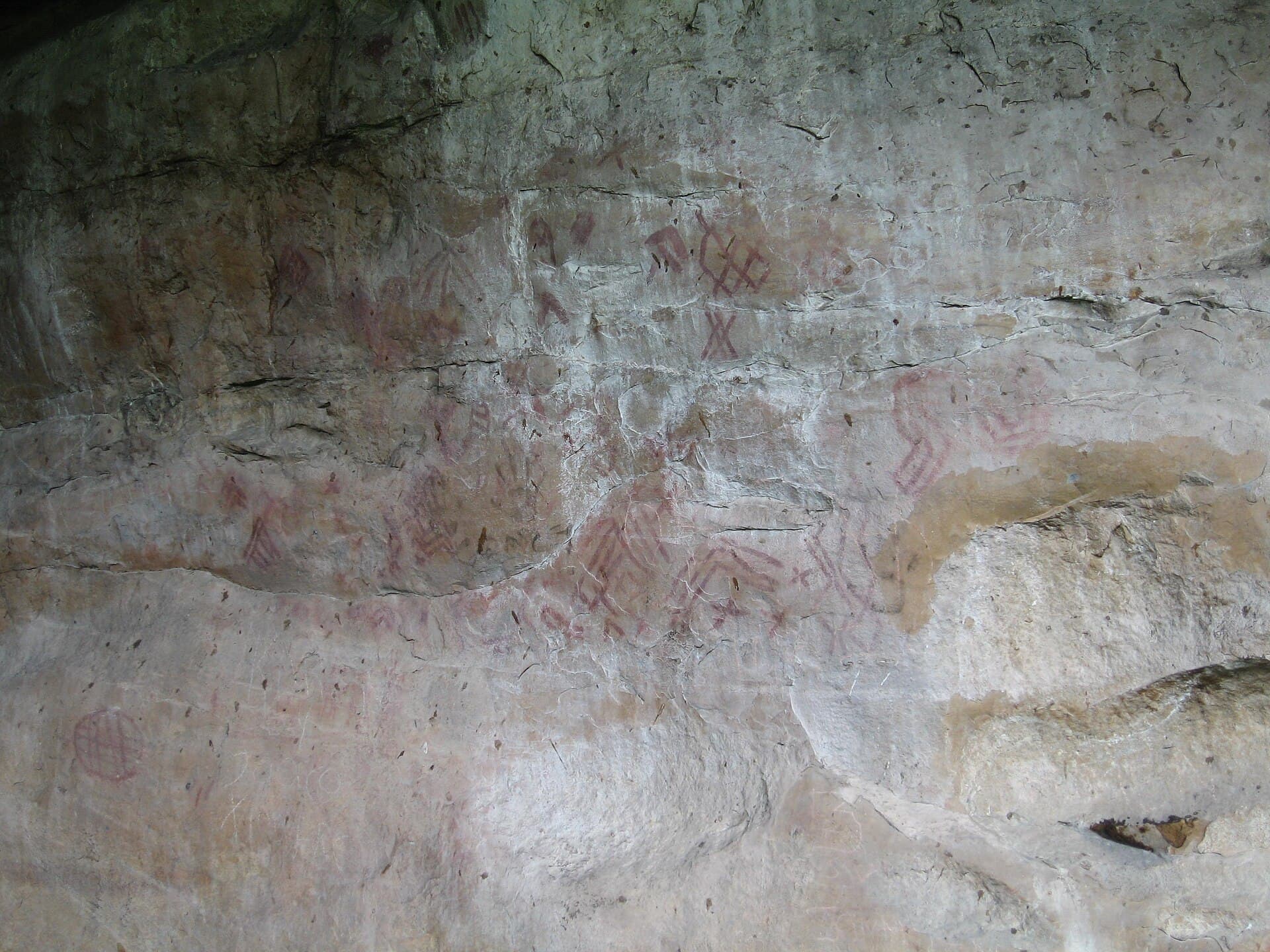
Piedras del Tunjo Archaeological Park preserves a striking collection of pre-Columbian petroglyphs etched into enormous sandstone boulders in the hills of Cundinamarca. Located near Facatativá, the site offers a tangible connection to the Muisca people who once inhabited the region, with carvings depicting animals, geometric patterns, and possible ceremonial symbols still visible on the rock faces.
What to See and Do
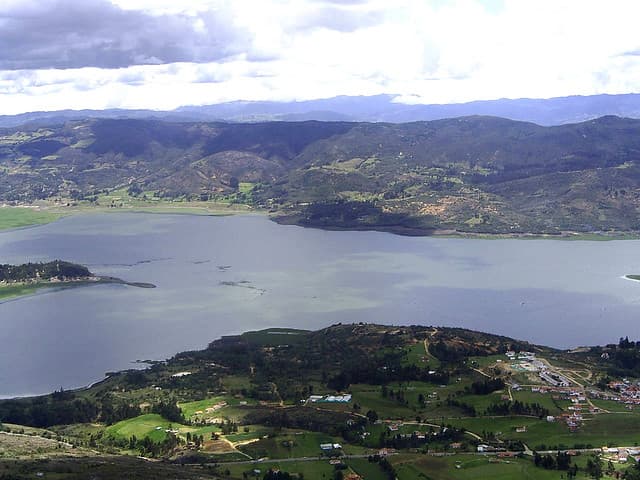
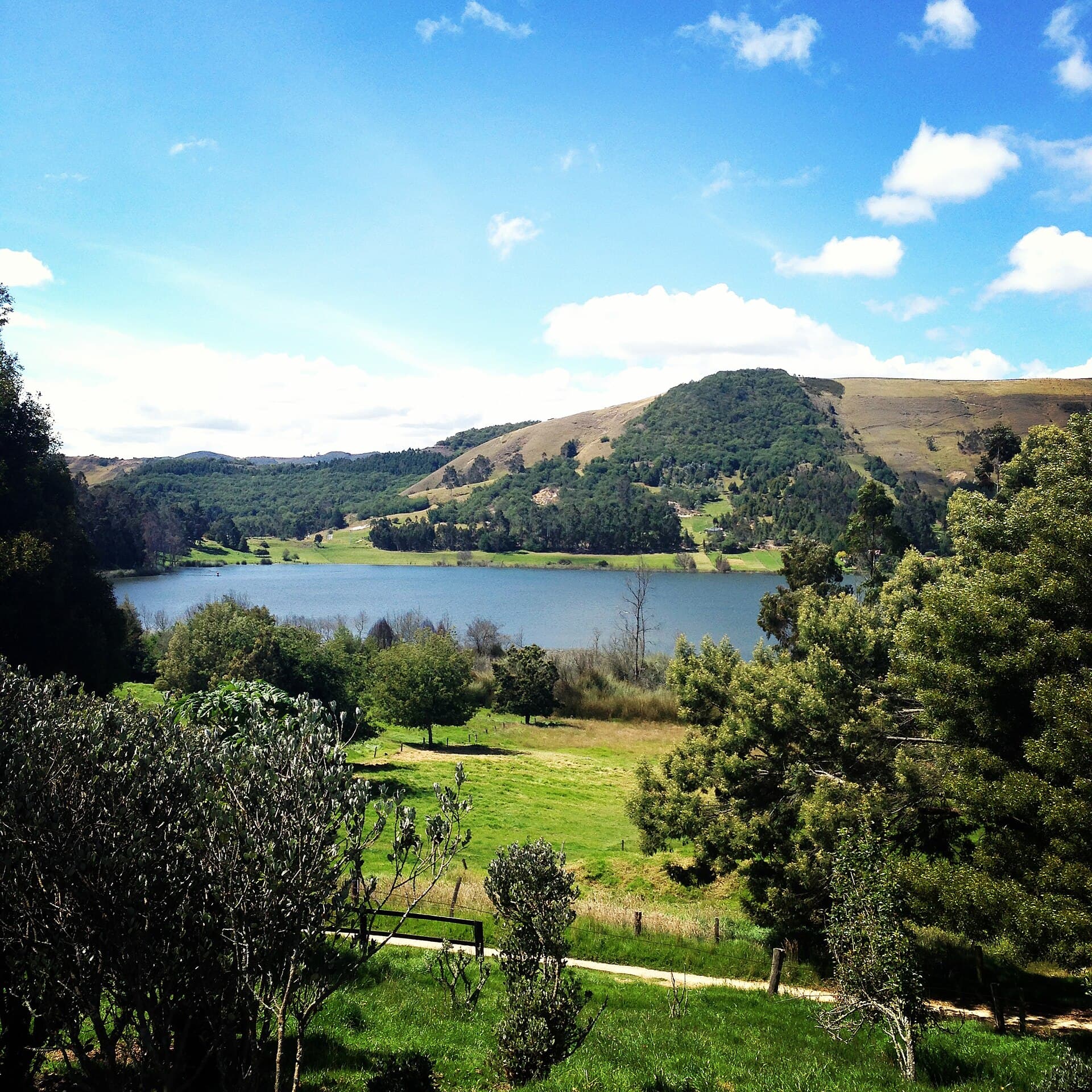
Visitors follow well-marked trails that wind between the giant rocks, allowing close inspection of the carvings without disturbing the surfaces. The park also features natural caves and overhangs that provide shelter and interesting geological formations. Short hikes lead to viewpoints overlooking the surrounding savanna and distant mountains.
The Petroglyphs
The main attraction remains the rock art itself. Several panels show spirals, anthropomorphic figures, and representations of local fauna. Guides can point out details that casual observers might miss, though self-guided exploration works well for those who prefer independence.
Planning Your Visit
How to Get There
Reach the park by taking a bus from Bogotá’s Terminal de Transporte to Facatativá, then a short taxi or local bus ride to the entrance. Drivers can follow the main highway west from Bogotá and turn off near Facatativá; parking is available on site. The journey typically takes under an hour from the capital.
Best Time to Visit
The dry season from December to March offers the most comfortable conditions for walking the trails. Rainy months can make paths slippery and obscure some carvings with vegetation, though the park remains open year-round.
Nearby Destinations
Combine a visit with the Salt Cathedral in Zipaquirá or the colonial town of Guatavita to explore more of Cundinamarca’s cultural heritage in a single day trip from Bogotá. The surrounding countryside also supports cycling routes and rural restaurants serving traditional Colombian fare.