
Keep reading
Nearby & related
Museo d’Arte Sacra della Marsica: Sacred Art Treasures in Celano, Abruzzo
Discover centuries of religious heritage preserved in this intimate museum overlooking the Fucino plain.
14 August 2026
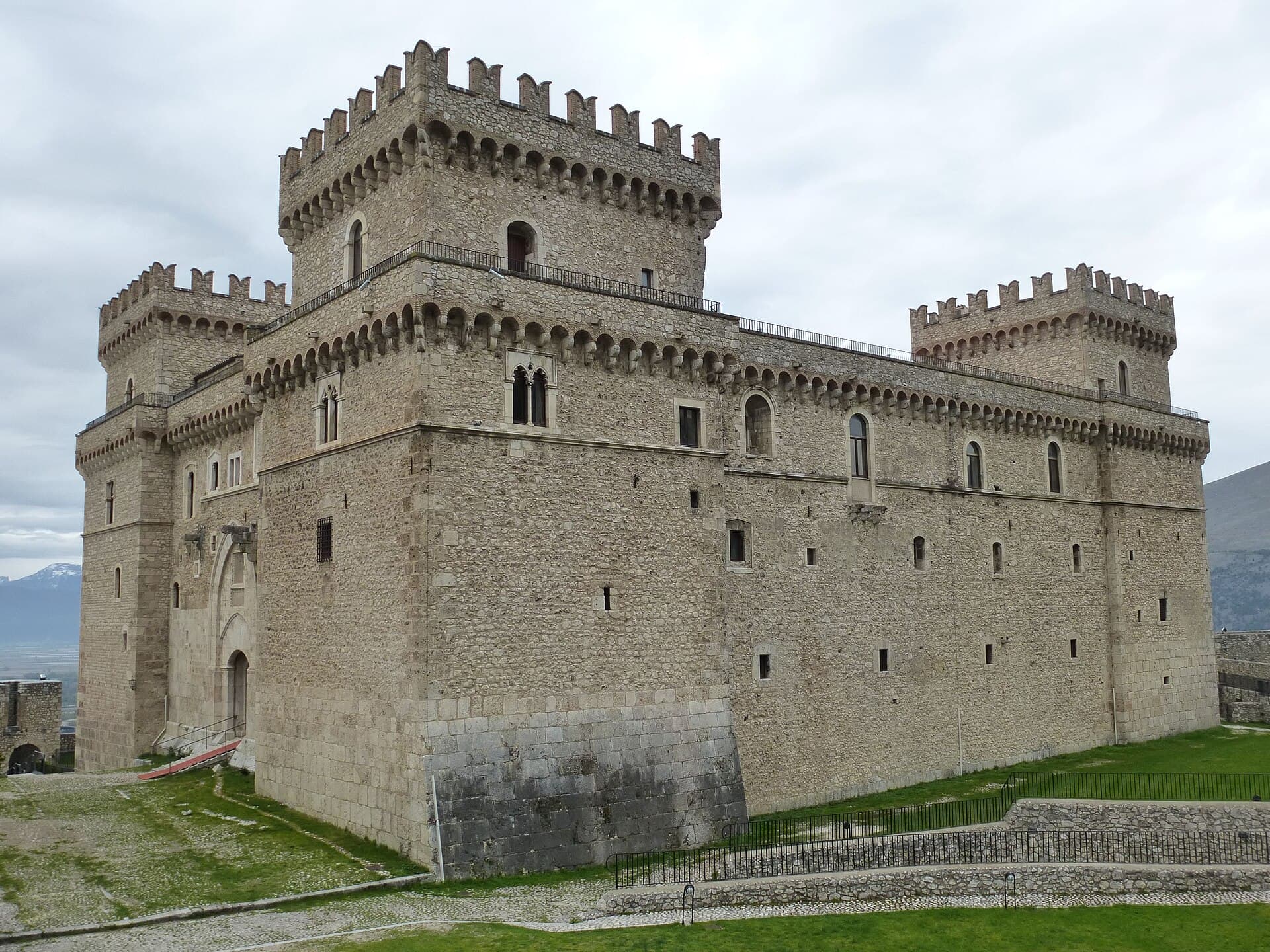
A 14th-century stronghold offering sweeping vistas over the Fucino plain and deep insight into Abruzzo's feudal past.
Piccolomini Castle stands as a commanding presence above Celano, its massive stone walls and towers dating to the mid-14th century when the Piccolomini family of Siena established control over the region. Originally built for defense amid the turbulent politics of medieval Italy, the fortress later served as a noble residence with Renaissance-era modifications that added elegant courtyards and residential wings while preserving its military character.
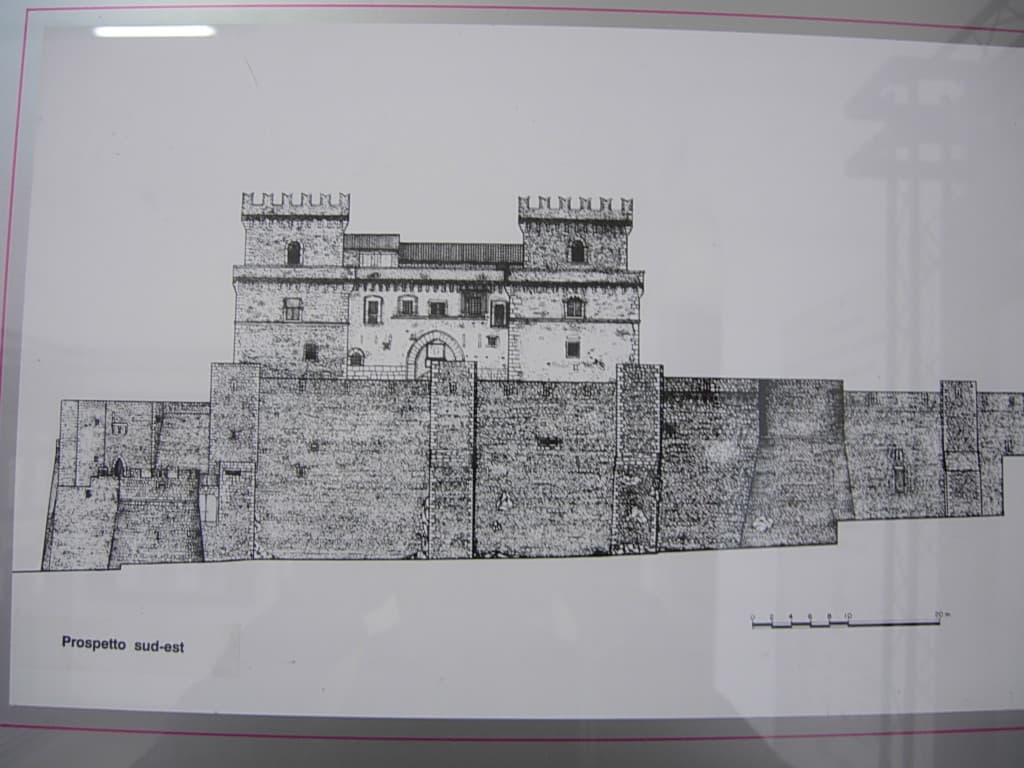
The castle features a rectangular layout with four corner towers and thick perimeter walls that enclose a central courtyard. Visitors can explore vaulted halls, the restored chapel, and exhibition spaces displaying local archaeological finds from the surrounding Fucino basin. The upper levels provide access to battlements where the original defensive strategy becomes clear through the placement of arrow slits and lookout points.
From the ramparts and tower tops, the castle commands views across the flat Fucino plain toward the snow-capped peaks of the Abruzzo Apennines. On clear days the Maiella massif and Gran Sasso range frame the horizon, creating one of the most photographed vistas in central Italy. The elevated position also reveals the grid-like pattern of the reclaimed lake bed below, a reminder of the area’s dramatic environmental transformation in the 19th and 20th centuries.
Reach the castle by following signs from Celano’s historic center; the short uphill walk or drive ends at a small parking area just below the main entrance. The site integrates easily into a day trip from Rome via the A25 motorway exit at Celano or by regional train to Celano station followed by a 20-minute uphill stroll. Spring and autumn deliver the most comfortable temperatures for exploring the outdoor terraces and walking the ramparts; summer visits require early morning starts to avoid intense sun on the stone surfaces.
After touring the castle, descend into Celano’s old town to see the Baroque church of San Giovanni Battista and the civic museum housed in another historic palazzo. A short drive leads to the dramatic hilltop ruins of Rocca Calascio and the alpine plateaus of Campo Imperatore, both popular extensions for travelers interested in Abruzzo’s layered history and mountain landscapes. Local trattorias serve hearty mountain cuisine featuring saffron from nearby Navelli and aged pecorino from the high pastures.
Drive along the A25 motorway and take the Celano exit, then follow local signs uphill; the journey takes about 90 minutes. Regional trains stop at Celano station, from where the castle is a 20-minute walk.
The ground-level courtyard and main exhibition rooms are accessible, but the towers and upper ramparts require climbing steep stairs and are not wheelchair-friendly.
Visitors can walk through restored halls, a small chapel, and displays of archaeological artifacts, plus climb to the battlements for the best views of the Fucino plain.
Late spring and early autumn offer mild temperatures ideal for exploring the outdoor areas; winter visits are possible but can be cold and windy on the exposed walls.
Yes, the dramatic hilltop fortress of Rocca Calascio lies a short drive away, and the alpine scenery of Campo Imperatore provides additional options for a full-day itinerary.
Keep reading
Discover centuries of religious heritage preserved in this intimate museum overlooking the Fucino plain.