Skip to content
Plan & Tour
DestinationsItinerariesTravel BlogAboutContact
0Sign inPlan a trip
Plan & TourPlan & Tour

Travel guides, destination inspiration and curated itineraries for Canada, the USA and beyond, plus a free tool to plan your own day-by-day trip.

Get travel inspiration

Explore

  • All Destinations
  • Curated Itineraries
  • Travel Blog
  • Plan a Trip

Topics

  • Hiking & Nature
  • Food & Drink
  • City Breaks
  • Budget Travel

Company

  • About Us
  • Contact
  • Privacy Policy
  • Terms of Service

© 2026 Plan & Tour. Built for travellers.

Discover the world, one trip at a time.

Palomani: Trekking Bolivia’s Remote Apolobamba Peak
  1. Home
  2. Destinations
  3. La Paz Department
  4. Palomani: Trekking Bolivia’s Remote Apolobamba Peak
Mountain

Palomani: Trekking Bolivia’s Remote Apolobamba Peak

Explore the high-altitude trails, wildlife, and dramatic Andean scenery around Palomani in La Paz Department.

La Paz DepartmentUpdated 12 October 2026

Why Palomani Stands Out

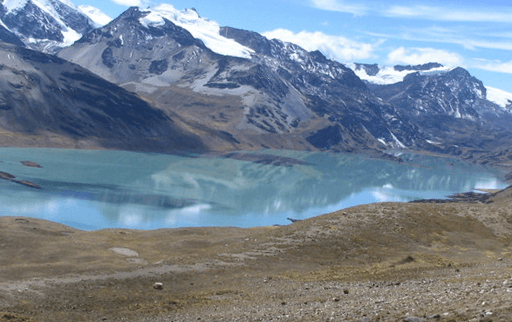
Palomani rises in the Cordillera Apolobamba, a seldom-visited section of the Bolivian Andes near the Peruvian border. Its glaciated slopes and open puna grasslands create a stark, high-alpine landscape that attracts trekkers seeking solitude rather than crowded circuits. The mountain offers sweeping views of neighboring peaks and the chance to spot vicuñas, Andean foxes, and occasional condors.

Getting There

Most visitors start in La Paz and travel by 4×4 or shared truck to Pelechuco, the nearest town with basic services. From Pelechuco, local transport or a hired vehicle continues along rough tracks to trailheads near the community of Curva or the Palomani pass area. The final approach is on foot; no public roads reach the upper slopes. Allow two full days for travel from La Paz, including time for altitude adjustment.

Best Time to Visit

The dry season from May through October brings the clearest skies and most stable trail conditions. Morning temperatures can drop below freezing even in the austral winter, while daytime sun is intense. The wet season (November–April) turns paths muddy and increases rockfall risk on steeper sections.

What to See and Do

The classic outing is a two- to four-day loop that circles Palomani and crosses the Palomani pass at roughly 5,200 meters. Hikers traverse high grasslands, skirt glacial moraines, and descend into valleys dotted with traditional Aymara settlements. Photographers favor sunrise from the pass for alpenglow on the ice fields. Those with mountaineering experience can attempt the non-technical summit via the southwest ridge, though a guide and rope are advisable. Wildlife viewing is excellent along the eastern flanks where vicuña herds graze.

Nearby Attractions

Combine the trip with the longer Apolobamba trek that links Pelechuco to Charazani, passing through remote villages and hot springs. South of Palomani, the Ulla Ulla plateau offers additional wildlife reserves and easier day hikes. The colonial town of Charazani provides thermal baths and markets selling local textiles.

Visitor tips

  • Spend at least two nights in La Paz or a lower valley before attempting the pass to reduce altitude-sickness risk.
  • Hire a local guide or muleteer in Pelechuco; trails are faint and weather can change rapidly above 5,000 meters.
  • Carry plenty of water and sun protection; sources are scarce on the upper plateau and UV radiation is strong.

Frequently asked questions

How high is Palomani?+

The summit reaches approximately 5,325 meters, with the main trekking pass slightly lower at around 5,200 meters.

Do I need a permit to hike Palomani?+

No special permit is required for the mountain itself, though some communities near the trailheads request a small contribution for passage.

Is Palomani suitable for beginner trekkers?+

The terrain is demanding because of altitude and remoteness; prior high-altitude experience and good physical condition are strongly recommended.

What wildlife might I see around Palomani?+

Vicuu00f1as are common on the grasslands, along with Andean geese, foxes, and occasional condors soaring over the ridges.

Can I combine Palomani with the Apolobamba trek?+

Yes. Many hikers start or finish the multi-day Apolobamba route near the Palomani area, adding two or three days to the itinerary.

Share
Google Maps Apple Maps Directions

Image: Rojk · CC BY-SA 3.0 · via Wikimedia Commons

Keep reading

Nearby & related

All stories
La Paz River: Rafting and Canyon Adventures in Bolivia
La Paz Department

La Paz River: Rafting and Canyon Adventures in Bolivia

Follow the La Paz River through Andean canyons from the highlands into the Yungas for rafting, scenery, and cultural…

13 October 2026
L
La Paz Department

Leque River: Bolivia’s Andean Waterway in La Paz Department

Follow the clear waters of the Leque River through rugged valleys and quiet Aymara communities in Bolivia’s La Paz…

13 October 2026
B
La Paz Department

Boopi River: Bolivia’s Wild Waterway in La Paz Department

A biodiverse river valley offering jungle hikes, wildlife viewing, and authentic Amazonian experiences near La Paz.

13 October 2026
