Why Paddys River Stands Out
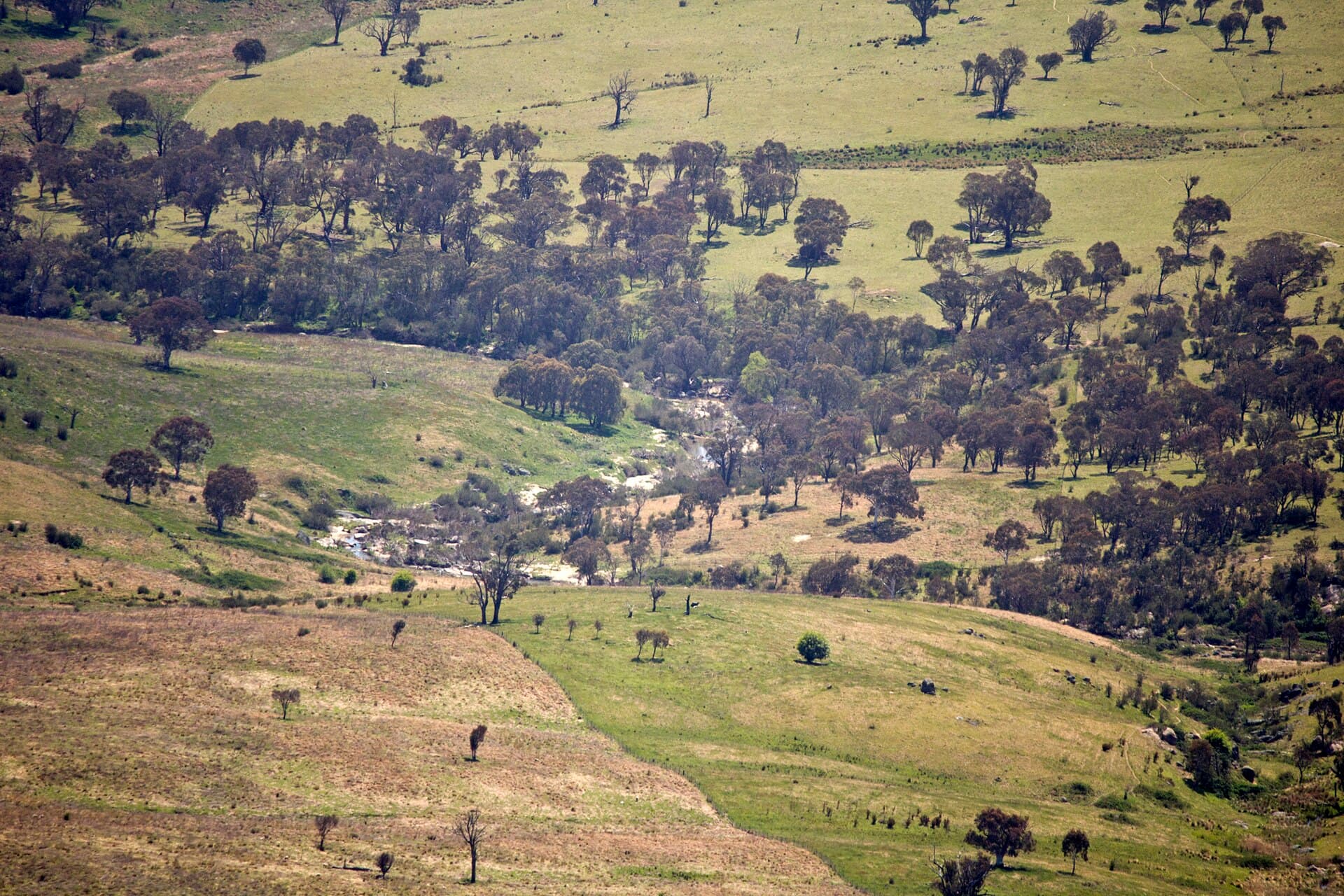
Paddys River cuts through the western foothills of the Australian Capital Territory, creating a sequence of clear pools and gentle rapids framed by granite boulders and tall gum trees. Its waters originate in the Brindabella Ranges and flow toward the Cotter catchment, providing a cooler, less crowded alternative to the Murrumbidgee for locals and visitors seeking a natural day out.
Getting There
The river is reached via the Cotter Road or Uriarra Road from Canberra, with several informal access points along Paddys River Road. Most visitors park at designated pull-offs near the main swimming areas and walk short distances to the water. A high-clearance vehicle is helpful on unsealed sections after rain, but standard cars manage the main routes in dry conditions.
Best Time to Visit
Spring through autumn offers the most comfortable conditions. Summer brings warm water for swimming, while spring wildflowers and autumn foliage add colour to the surrounding forest. Winter visits are possible for short walks but the water is cold and some access tracks can become muddy.
Things to See and Do
Swimming and Cooling Off
The river forms several natural pools deep enough for swimming, especially after good rainfall. The water is usually clear, though levels fluctuate with seasonal flows. Always check conditions on arrival and avoid the water after heavy rain when currents strengthen.
Bushwalking and Picnics
Short trails follow the riverbank or climb to nearby ridges for views over the valley. The flat terrain near the water makes ideal spots for picnics under the shade of casuarinas and eucalypts. Bring everything you need, as there are no facilities at most sites.
Wildlife and Scenery
Keep an eye out for eastern grey kangaroos at dawn and dusk, and listen for the calls of superb lyrebirds in the denser forest patches. The granite outcrops and clear pools create constantly changing light and reflections that reward photographers.
Nearby Attractions
Combine a visit with the Cotter Dam recreation area or continue west to the Tidbinbilla Nature Reserve for longer walks and wildlife enclosures. The region forms part of the larger Namadgi landscape, so day trips can easily link river time with mountain drives.