
Keep reading
Nearby & related
Bremen
Heini Holtenbeen: Bremen’s Enduring Folk Statue
Discover the story, setting, and simple pleasures of visiting this beloved Bremen landmark.
18 October 2026
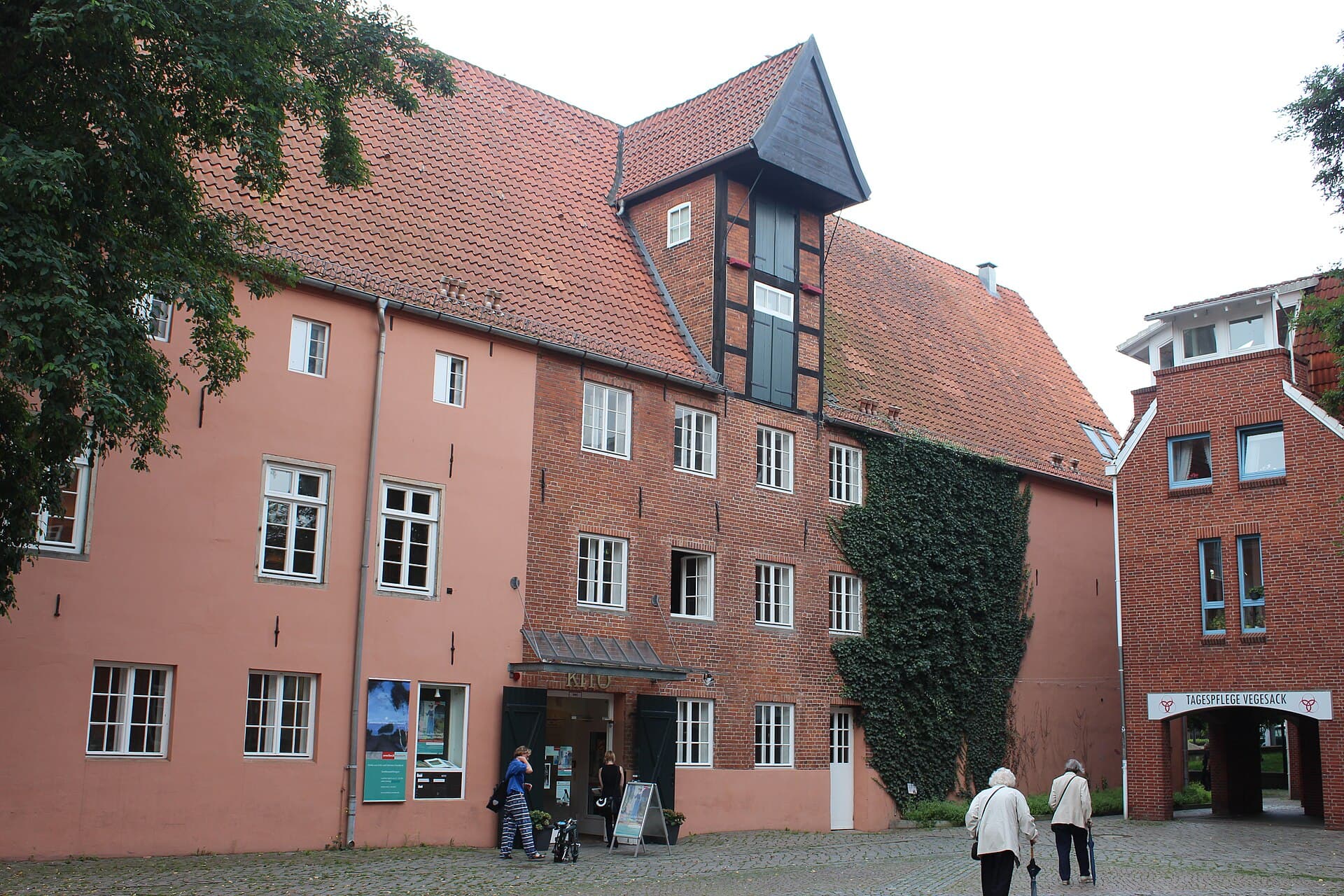
Step into the former home of the Overbeck artist family to explore luminous Worpswede landscapes and intimate family works along the Weser.
The Overbeck-Museum occupies the historic villa once home to painter Fritz Overbeck and his wife Hermine Overbeck-Rohte. Their paintings capture the misty moors, birch groves, and rural life of the nearby Worpswede artist colony with a distinctive soft light and earthy palette. Visitors encounter not only finished canvases but also sketches, personal letters, and photographs that reveal how the couple lived and worked at the turn of the twentieth century.
Ground-floor rooms display Fritz Overbeck’s large moorland scenes alongside Hermine’s more intimate flower studies and portraits. Upstairs, temporary exhibitions rotate works by their son Fritz and daughter-in-law, showing how the family’s style evolved across generations. A small garden studio preserves original easels and palettes, giving a tangible sense of the artists’ daily process.
Bremen-Vegesack station lies a ten-minute walk from the museum via the riverside promenade. Frequent regional trains connect from central Bremen in roughly twenty minutes. Cyclists can follow the Weser cycle path directly to the villa’s gate. Ample free parking is available for drivers arriving from the A27 motorway.
Spring and early autumn offer mild weather ideal for combining the museum visit with a stroll along the Weser dike or a short ferry ride. Summer brings outdoor sculpture displays in the garden, while winter months feature cozy interior exhibitions and fewer crowds, allowing unhurried viewing of the luminous canvases.
After the museum, wander the historic Vegesack harbor with its traditional sailing ships and cafés. A twenty-minute train ride reaches the Worpswede artists’ village itself, where many of the same landscapes were painted. Bremen’s city center, with its UNESCO-listed town hall and cathedral, lies a short train journey south for those extending their day.
Keep reading
Discover the story, setting, and simple pleasures of visiting this beloved Bremen landmark.
Most visitors spend one to one-and-a-half hours exploring the permanent collection and any temporary exhibition.
The intimate scale and landscape paintings appeal to older children and teens interested in art or regional history; younger visitors may enjoy the garden studio.
Photography without flash is permitted in most areas, but staff may restrict shots of certain loans or temporary displays.
Occasional public tours and private group tours in German are offered; English-language tours can be arranged with advance notice.
The ground floor and garden are step-free; the upper floor is reached by a stair lift that staff can operate on request.
This bronze bear links Berlin and Bremen through history, art, and public space in northern Germany.
Climb to Vogelnest for sweeping views across Bremen’s rooftops, the Weser River valley, and rolling countryside beyond.