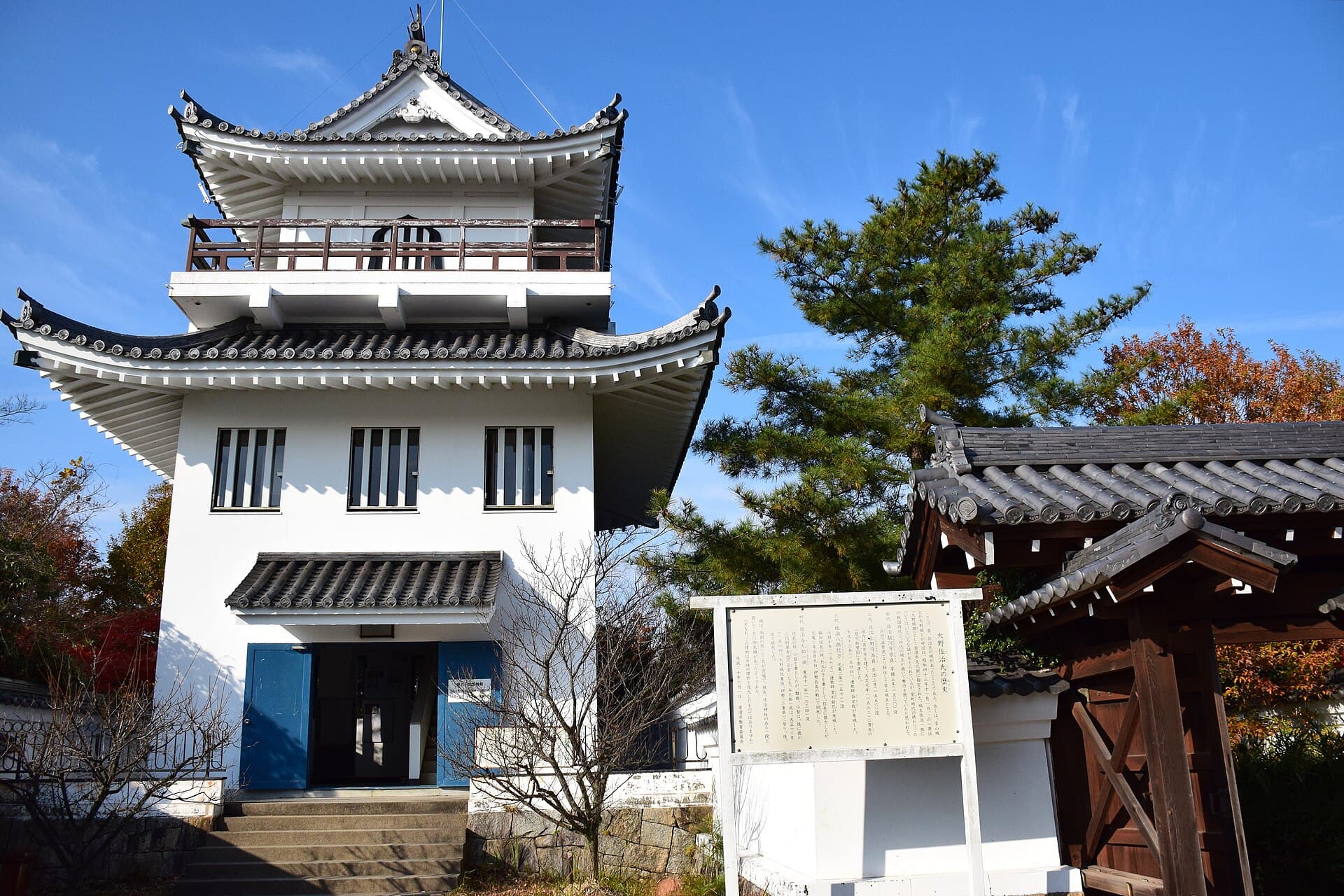
Why Visit Ōno Castle
Ōno Castle stands out among Aichi’s many historic sites for its extensive, well-preserved stone walls that climb the hillside in dramatic tiers. Unlike fully reconstructed castles, the site remains a ruin, letting visitors experience the raw scale of 16th-century defensive engineering without modern additions. The quiet woodland setting and sweeping views over Ise Bay reward those who make the short climb.
History of the Fortress
Built in the late 1500s by the Mizuno clan, Ōno Castle guarded a strategic point on the Chita Peninsula. Its builders took full advantage of the natural topography, layering enormous granite blocks into curved walls that still stand today. After the castle was abandoned in the early Edo period, the structures were dismantled but the stonework was left largely intact, preserving an authentic record of Sengoku-era construction techniques.
What to See and Do
Begin at the lower compound and follow the winding paths upward. Highlights include the towering main gate foundation, the broad honmaru enclosure at the summit, and several surviving yagura bases. Informative signboards explain the original layout. In spring the slopes are dotted with cherry blossoms; in autumn the surrounding maples turn vivid red. Allow 90 minutes to two hours for a relaxed visit that includes photography and reading the historical markers.
Getting There
Take the Meitetsu train to Ōtagawa Station, then transfer to a local bus bound for Ōno. The final stop lies a five-minute walk from the castle entrance. Travelers with cars will find a modest parking area at the base. From central Nagoya the journey takes roughly 45 minutes by train and bus.
Best Time to Visit and Nearby Attractions
Late March through early April offers mild weather and blossoms, while October and November bring comfortable temperatures and foliage color. Combine a visit with nearby Tokoname, famous for its pottery district and climbing kiln ruins, or continue south to the coastal town of Mihama for fresh seafood. The peninsula’s quiet roads also suit cyclists who want to link several historic sites in one day.