
Keep reading
Nearby & related
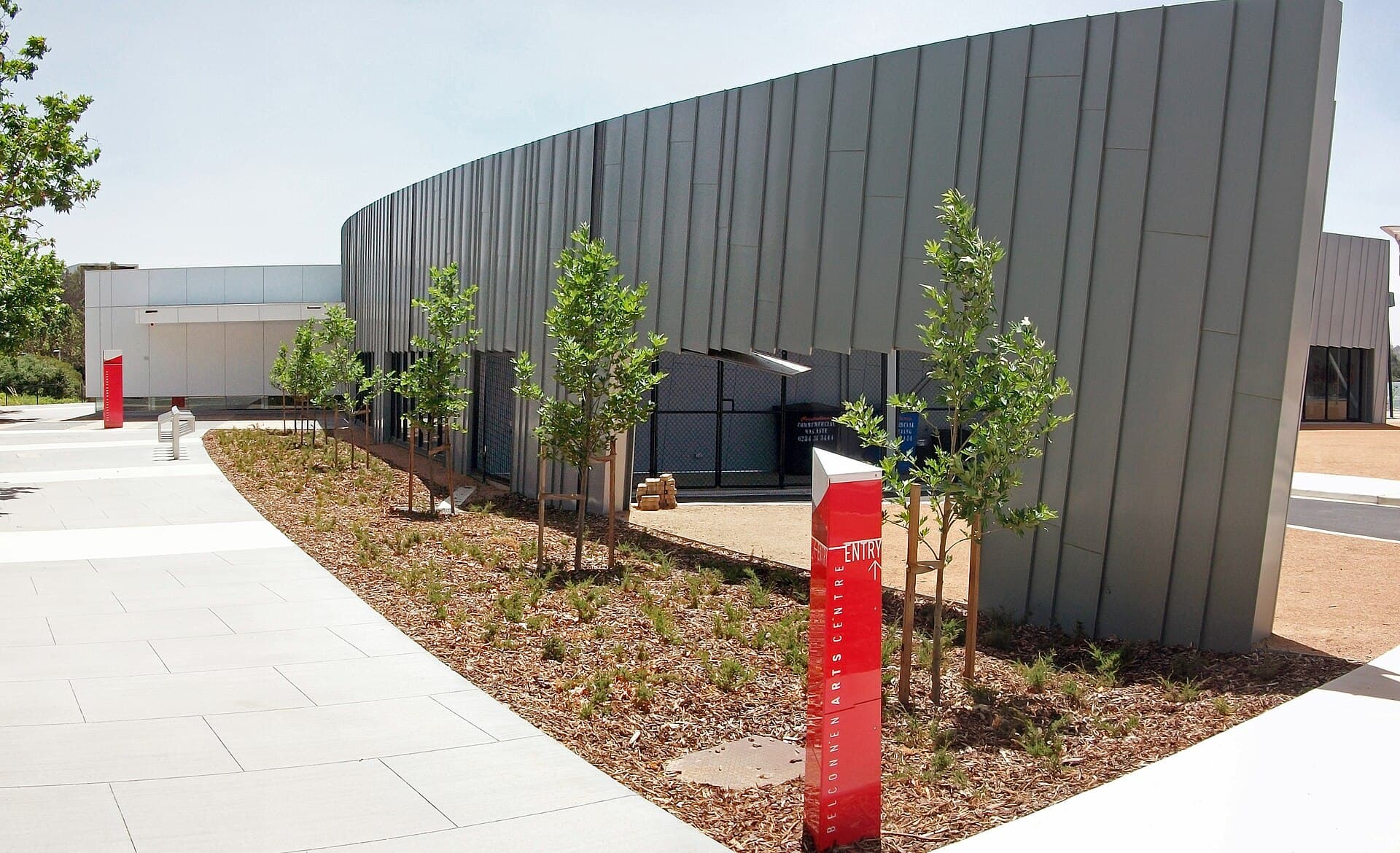
Belconnen Arts Centre: Contemporary Creativity in Canberra’s Belconnen District
Discover exhibitions, performances and community programs at this lively arts hub north of Canberra’s city centre.
18 September 2026
A quiet mountain offering rewarding walks and sweeping vistas over the Australian Capital Territory.
One Tree Hill rises above the northern edge of Canberra in the Australian Capital Territory, providing a straightforward climb with expansive views across the city and surrounding ranges. Its name reflects the prominent single tree that once marked the summit, and the open woodland setting gives walkers a sense of space uncommon in more crowded reserves.
Most visitors drive from central Canberra via the Barton Highway or Gundaroo Road, turning onto unsealed tracks that lead to a small parking area at the base. The final approach is on gravel roads suitable for standard cars in dry weather. Public transport is limited, so a car or organised tour is the most practical option. From the car park, a clear walking track ascends steadily through eucalypt woodland.
The main route to the summit is a 3-kilometre return walk with moderate elevation gain, taking most people 60 to 90 minutes. The path is well-defined and passes through native grasses and scattered trees, with occasional kangaroos visible at dawn or dusk. At the top, a rocky outcrop provides 360-degree panoramas that stretch from Canberra’s suburbs to the distant Brindabella Range on clear days. Photographers favour the golden light of late afternoon, while birdwatchers can spot species such as the scarlet robin and white-throated treecreeper.
Longer options include linking tracks that continue toward nearby ridges for a half-day loop. No facilities exist at the summit, so bring water and sun protection. The area is managed for conservation, so stay on marked paths to protect the fragile soils.
Autumn (March to May) and spring (September to November) deliver mild temperatures and clear skies ideal for walking. Summer can bring hot afternoons and occasional bushfire risk, while winter mornings are crisp with possible frost on the higher slopes. Early weekday visits avoid any weekend walkers and give the best chance of quiet wildlife encounters.
After descending, combine the visit with stops at the nearby village of Hall for a coffee or continue south to the Australian National Botanic Gardens. The drive back passes through farmland that offers a contrast to the urban centre of Canberra, just 20 minutes away.
Keep reading
Discover exhibitions, performances and community programs at this lively arts hub north of Canberra’s city centre.
The main track is moderate, with a steady climb over 1.5 kilometres. Most reasonably fit adults complete it in under an hour, though the final rocky section requires careful footing.
Yes, older children who are used to walking can manage the trail, but parents should supervise near the summit rocks and bring plenty of snacks and water.
No vehicles are permitted beyond the base car park. The summit is reached only on foot to protect the environment.
Dogs are not permitted in the reserve to protect native wildlife. Leave pets at home or in a shaded car if travelling with them.
Sturdy walking shoes, sun protection, water, a hat, and a light jacket for changing mountain weather. A basic first-aid kit and fully charged phone are also recommended.
Explore the accessible trails, wildflower meadows and sweeping views from Mount Rogers, a compact peak in Canberra’s…
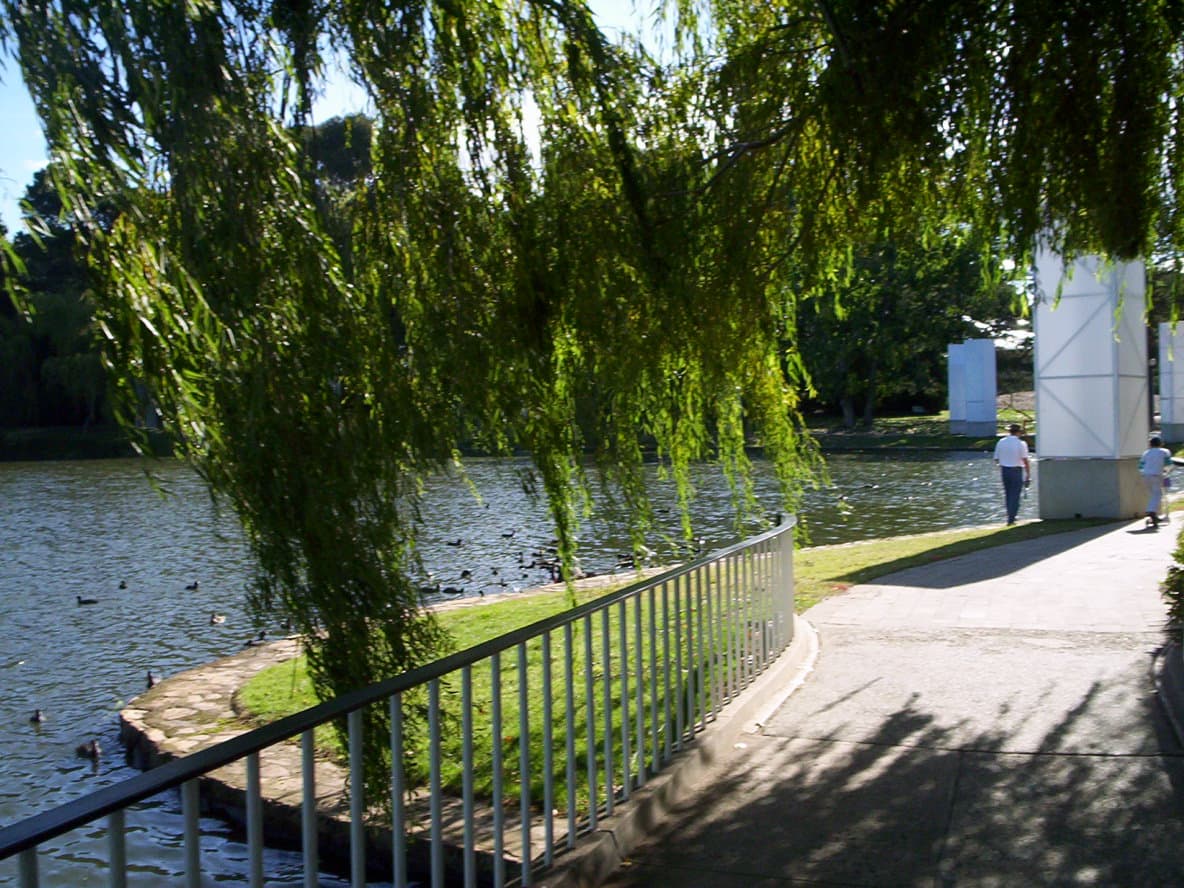
Explore the manicured gardens, public art, and seasonal festivals that make Commonwealth Park a central green space on…