
Keep reading
Nearby & related
Nelson Island, Alaska: Remote Yup’ik Culture and Bering Sea Wilderness
Explore the vast tundra, migratory bird habitats, and traditional villages of this isolated island in Alaska’s…
14 August 2026
Experience pristine Arctic tundra, abundant wildlife, and living Indigenous traditions on this isolated island refuge.
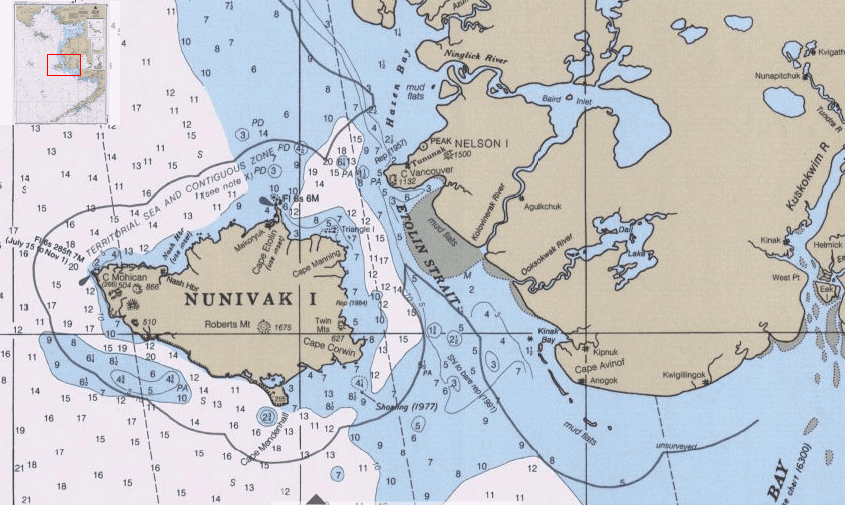
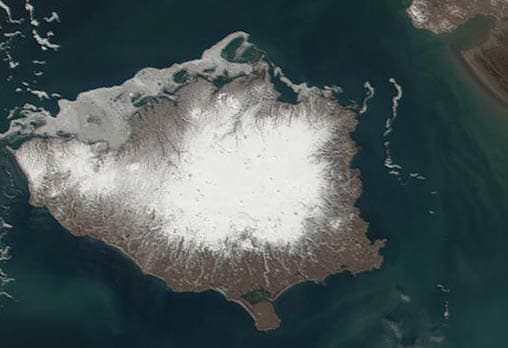
Nunivak Island lies in the Bering Sea roughly 30 miles off Alaska’s mainland, offering visitors a rare window into untouched tundra ecosystems and the enduring Cup’ig way of life. The island’s volcanic landscape features rolling hills, coastal cliffs, and vast wetlands that support large herds of musk oxen and reindeer introduced in the early 20th century. Because access is limited and commercial development is minimal, the island retains a raw, frontier character found in few other Alaskan destinations.
Most travelers fly from Bethel on the mainland to the small airstrip at Mekoryuk, the island’s only village. From Bethel, scheduled propeller flights cross the shallow waters of the Bering Sea in under an hour. Visitors planning multi-day stays should coordinate with local guides or lodges in Mekoryuk, as there are no roads connecting the village to interior trails. Some adventurers arrive by boat during calm summer windows, though weather windows are short and unpredictable.
June through early September brings the longest daylight, mildest temperatures, and active wildlife. Musk oxen graze openly, seabird colonies are noisy with nesting activity, and wildflowers carpet the tundra. Winter travel is possible but requires experienced guides, extreme cold-weather gear, and acceptance of limited daylight and frequent storms. Shoulder months of May and September can offer fewer visitors and dramatic light, yet ice or early snow can complicate logistics.
Wildlife viewing centers on the island’s large musk-ox herd and free-ranging reindeer. Patient hikers may also spot Arctic foxes, migratory shorebirds, and harbor seals along the coastline. Fishing for Arctic char and salmon occurs in several clear streams. Hiking routes follow old reindeer trails or coastal beaches; no maintained trail system exists, so navigation skills and tide awareness are essential. Photography opportunities are abundant, especially at sunrise and sunset when the low Arctic light illuminates the tundra.
The Cup’ig community in Mekoryuk welcomes respectful visitors interested in traditional ivory carving, skin-sewing, and subsistence practices. Several families offer demonstrations or sell handmade items when pre-arranged. The Nunivak Island National Wildlife Refuge headquarters provides interpretive displays on both natural history and Cup’ig heritage.
After an island visit, many travelers continue to the Yukon-Kuskokwim Delta for birding or to Bethel for regional museums and air connections. Cape Newenham and the Togiak National Wildlife Refuge lie farther south along the mainland coast and share similar coastal ecosystems.
No special permit is required for general visitation, though the island is managed as a national wildlife refuge and all activities must follow refuge regulations.
The remote setting and lack of medical facilities make it best for older children and families comfortable with basic wilderness travel.
Musk oxen, reindeer, Arctic foxes, and numerous seabirds are the most common sightings; marine mammals appear along the shoreline.
Primitive camping is allowed in most areas outside Mekoryuk, but visitors must be fully self-sufficient and prepared for sudden weather shifts.
Only a small store in Mekoryuk sells limited groceries; travelers should bring most supplies from Bethel.
Keep reading
Explore the vast tundra, migratory bird habitats, and traditional villages of this isolated island in Alaska’s…