
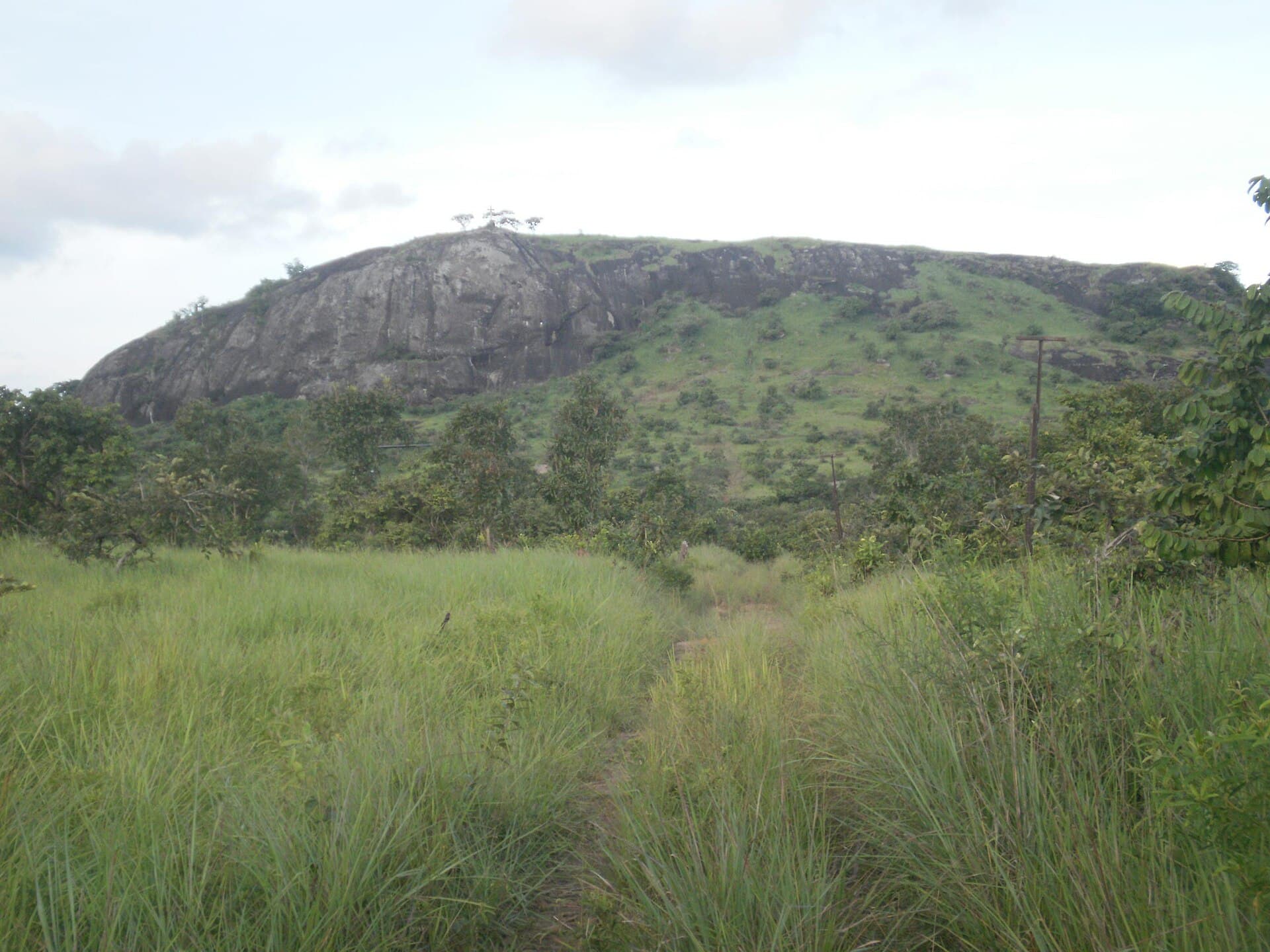
Ngog Lituba Cave: Cameroon’s Sacred Limestone Wonder in the Littoral Region
Venture into the culturally significant Ngog Lituba Cave for striking stalactite formations and insights into local Bakoko heritage.
Discovering Ngog Lituba Cave
Ngog Lituba Cave stands as a striking geological feature in Cameroon’s Littoral region, where limestone passages reveal intricate stalactites and stalagmites shaped over millennia. Local communities regard the site as sacred, with traditions linking it to ancestral stories and spiritual practices that add depth beyond its natural beauty. Visitors experience cool, echoing chambers that contrast sharply with the surrounding tropical landscape.
Reaching the Cave
The cave lies near coordinates 4.31354, 10.99003, accessible from Douala by road through the Littoral countryside. Travelers typically arrange private transport or join organized tours that depart from the city, passing through rural villages and agricultural areas. The final approach involves a short walk along paths that may be uneven, so sturdy footwear proves essential. Public transport options exist but require transfers and local guidance for the last segment.
What to Expect Inside
Inside the cave, narrow passages open into larger halls filled with dripstone formations. Guides highlight specific rock shapes tied to local legends, while natural light filters through entrances to illuminate chambers. The experience combines gentle exploration with moments of quiet reflection, as the site remains relatively undeveloped compared to commercial caves elsewhere.
Best Time to Visit
The dry season from November to March offers the most reliable conditions, with lower rainfall reducing slippery surfaces and flooding risks along access paths. During the wetter months, the cave stays accessible but demands extra caution on trails. Early morning visits help avoid midday heat outside the cave and allow time for unhurried exploration.
Attractions Nearby
After visiting Ngog Lituba, extend the journey to the port city of Douala for its markets and waterfront, or head toward the coastal areas around Edea for river views and local crafts. The broader Littoral region includes opportunities to observe traditional farming practices and sample regional cuisine, providing cultural context that complements the cave visit.
Visitor tips
- Hire a local guide familiar with the cave's passages and cultural protocols to ensure respectful and safe exploration.