Keep reading
Nearby & related
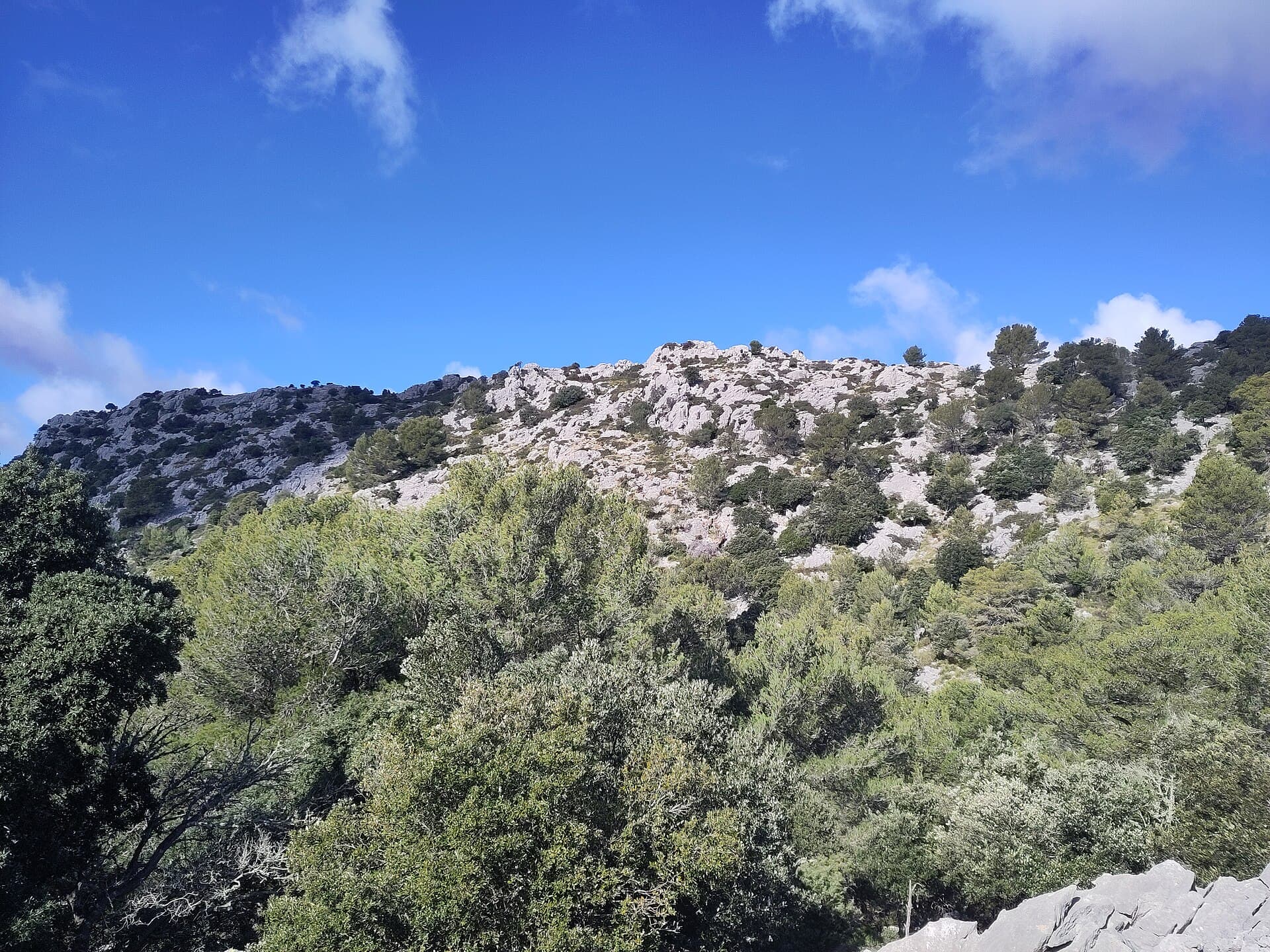
Sa Capella Blava: Hiking Mallorca’s Blue Chapel Peak
A rugged mountain summit offering sweeping views across northern Mallorca’s Tramuntana range and coastline.
21 September 2026
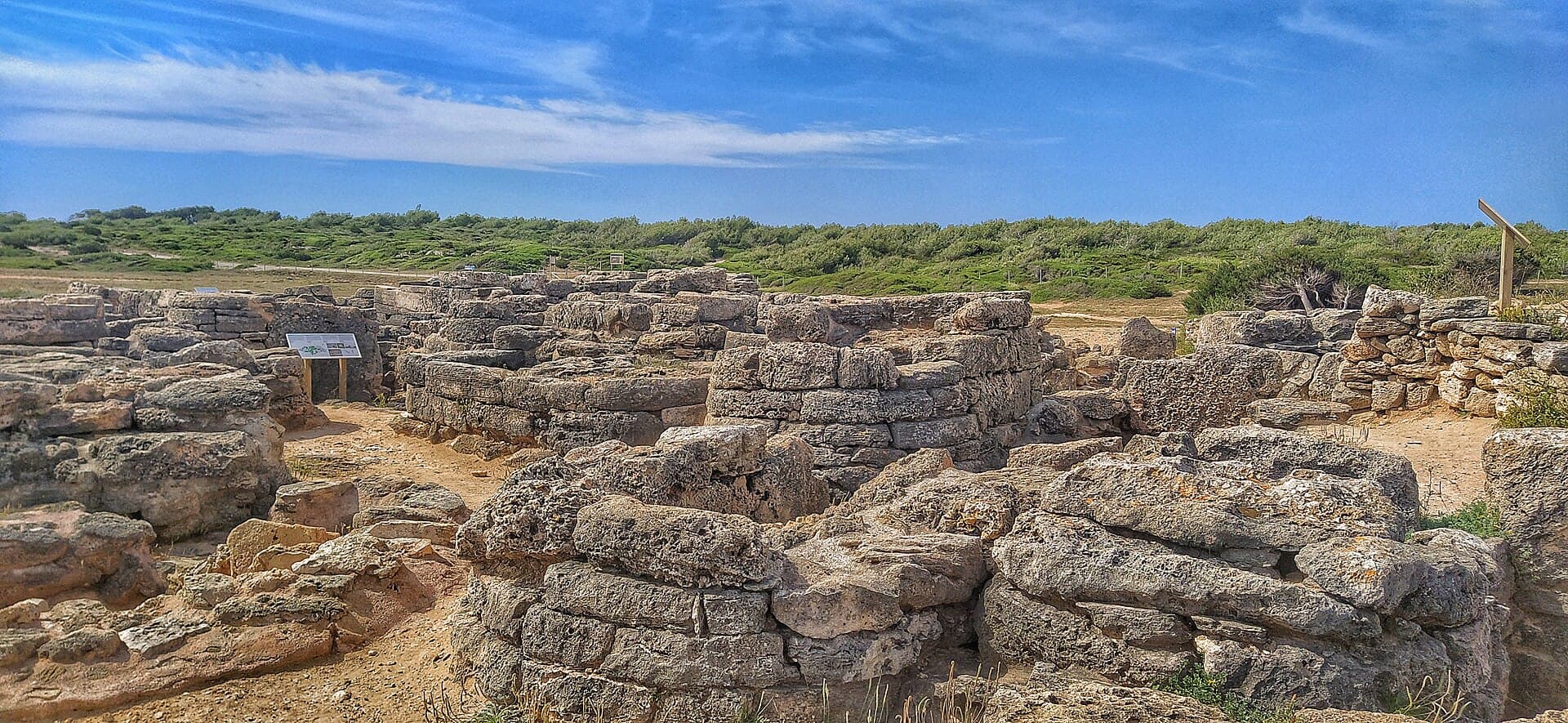
This Talayotic burial ground on Mallorca’s northeast shore blends prehistoric archaeology with dramatic sea views and quiet coastal paths.
One of Mallorca’s most important prehistoric sites, the Necròpolis de Son Real preserves more than one hundred tombs dating from the Bronze Age through the Talayotic period. Set on a low coastal promontory between Can Picafort and Son Serra de Marina, the cemetery offers visitors an unusually direct encounter with the island’s earliest inhabitants while overlooking the Mediterranean.
The site unfolds across two main zones. The eastern sector contains the oldest naviform tombs—elongated, boat-shaped structures built with large stone slabs. Farther west, circular and square tombs appear, some still showing the original entrance passages and small side chambers used for collective burials. Informative panels in Catalan, Spanish, and English explain the different architectural styles without overwhelming the landscape. A short coastal trail links the tombs to the sea, where wave-eroded cliffs and occasional osprey sightings add a natural counterpoint to the archaeology.
Allow 45 to 90 minutes for a relaxed circuit. The terrain is mostly flat but uneven; comfortable shoes are essential. Morning light is best for photography, especially when the low sun highlights the texture of the dry-stone walls.
Most visitors arrive by car from Palma via the Ma-12 highway, exiting toward Can Picafort and following signs for Son Real. Free parking is available at the trailhead. Public transport reaches Can Picafort by bus; from there a flat 25-minute walk along the coastal path leads directly to the entrance. Cyclists can combine the visit with the dedicated bike lane that runs between Can Picafort and Alcúdia.
Spring (March–May) and autumn (September–November) provide mild temperatures and fewer visitors. Summer visits are possible but require early arrival or late-afternoon timing to avoid heat and midday sun. Winter days are often clear and quiet, though occasional strong winds can make the exposed headland chilly.
Combine the necropolis with a swim at nearby Platja de Son Real or a longer coastal walk to the lighthouse at Cap de Farrutx. A few kilometers inland lies the well-preserved Talayotic village of Ses Païsses, offering a useful comparison between domestic and funerary architecture of the same period.
Keep reading
A rugged mountain summit offering sweeping views across northern Mallorca’s Tramuntana range and coastline.
It is a prehistoric cemetery containing more than one hundred tombs built by Talayotic people between roughly 1400 BCE and the Roman period.
Yes, the terrain is mostly flat and the walk is short, making it manageable for families, though the stone surfaces require supervision.
Most people spend between 45 minutes and one-and-a-half hours exploring the tombs and coastal path.
The adjacent beach of Son Real is a five-minute walk from the tombs, so many visitors bring swimwear for a combined outing.
There are no restrooms or cafu00e9s at the necropolis itself; the nearest services are in Can Picafort.
A rewarding, low-crowd ascent through olive terraces and pine forest to sweeping views over western Mallorca.
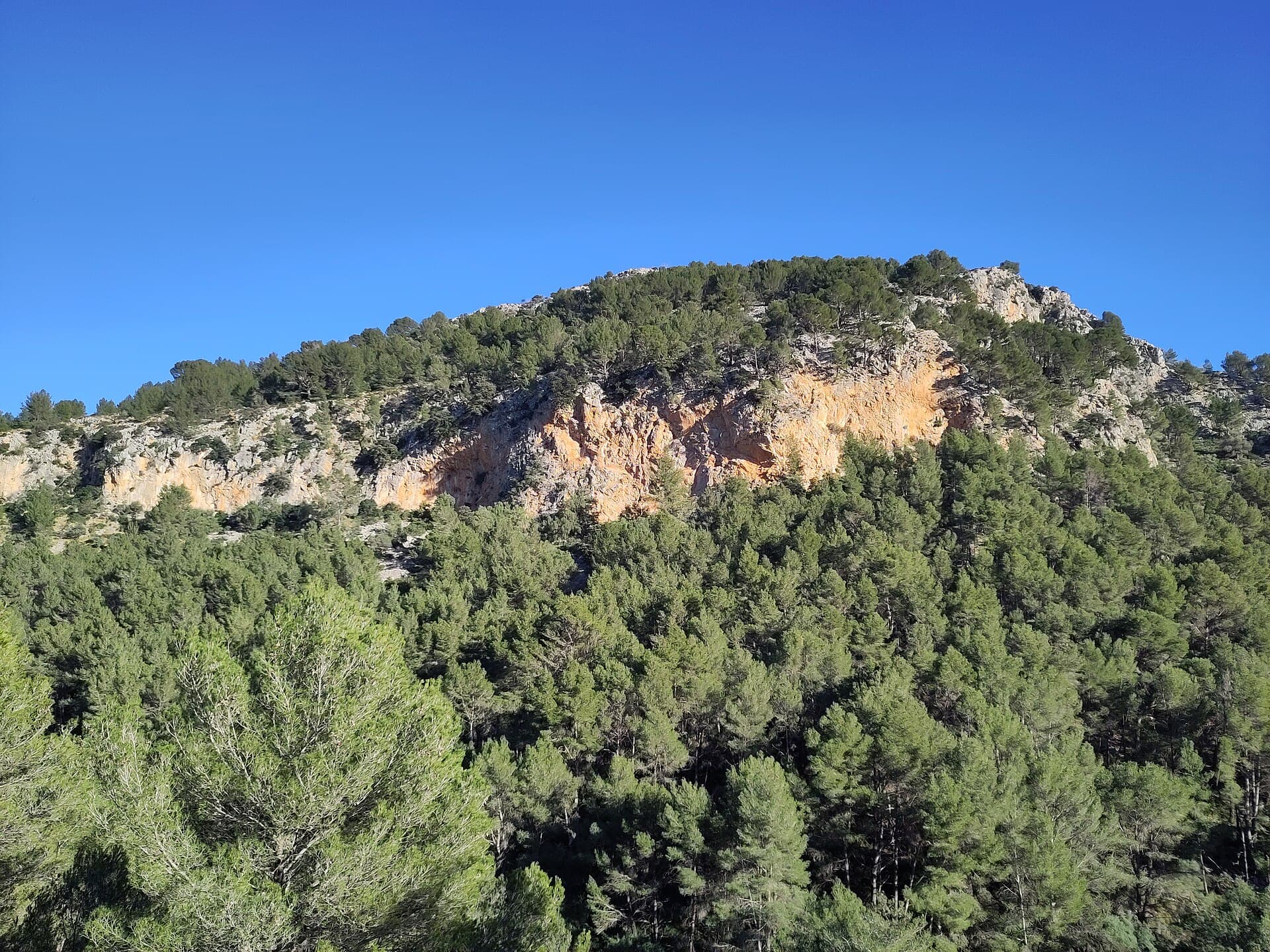
This modest peak in the Serra de Tramuntana rewards hikers with sweeping Mediterranean views and a peaceful escape from…