
National Coffee Park: Colombia’s Living Museum of Coffee Culture in Montenegro
Explore the coffee-growing traditions of Colombia’s Quindío region through exhibits, plantations, and cultural experiences at National Coffee Park.
Why Visit National Coffee Park
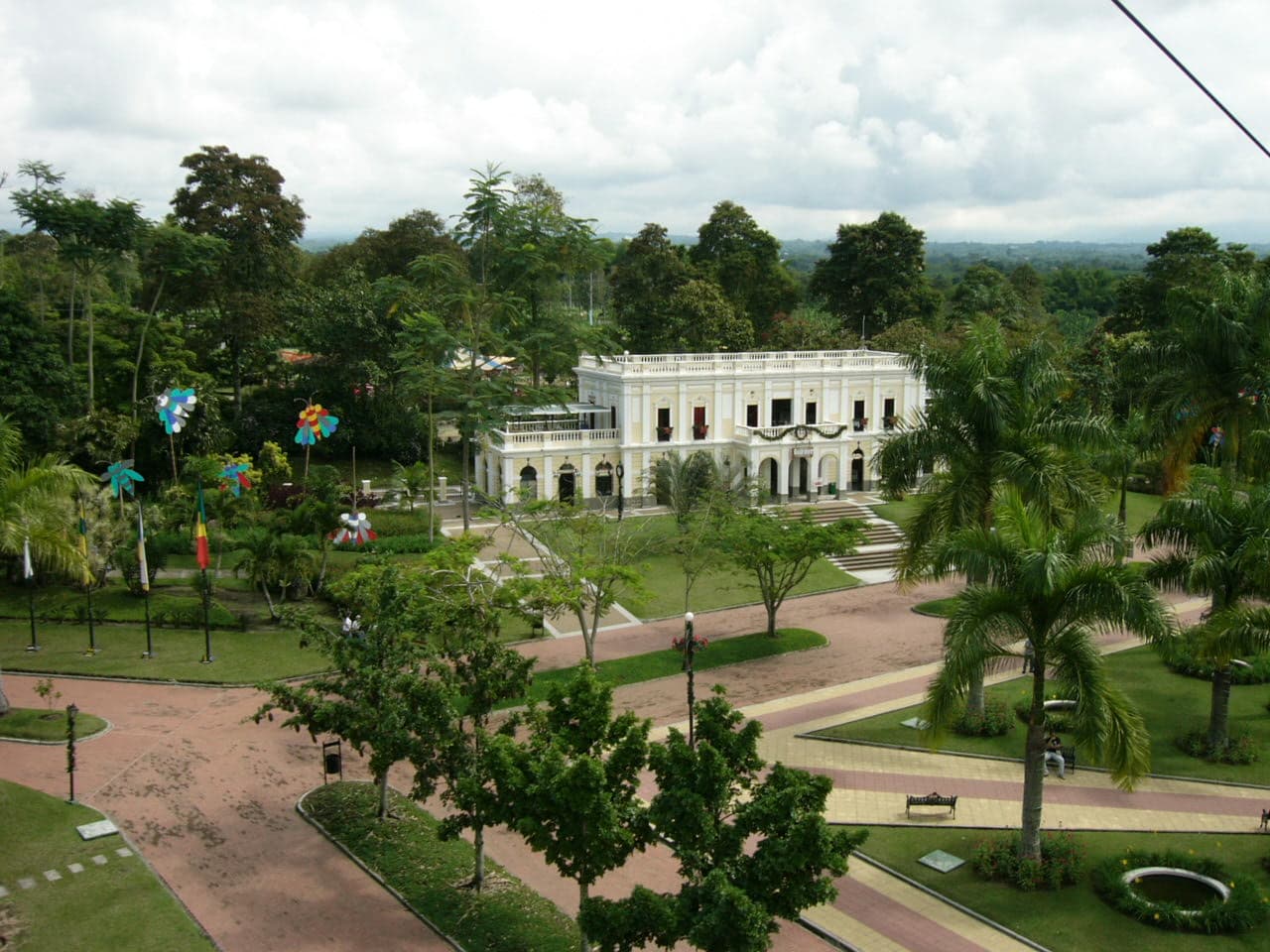
National Coffee Park sits in the heart of Colombia’s Coffee Triangle, offering visitors an immersive look at how coffee shapes daily life, economy, and landscape in the Quindío department. The site combines a museum dedicated to coffee production with working plantations, traditional architecture, and outdoor spaces that highlight the region’s biodiversity.
What to See and Do
Begin in the coffee museum, where displays trace the bean from seed to cup, including antique processing equipment and regional growing techniques. Outside, wander shaded paths through coffee groves where plants are labeled by variety and age. Look for demonstrations of hand-picking and drying methods still used on small farms. A cable-car ride provides elevated views of the surrounding hills and gives context for the steep terrain that makes Colombian coffee distinctive.
Cultural Performances and Gardens
Traditional music and dance shows occur regularly, illustrating how coffee harvests once structured community celebrations. Nearby botanical gardens feature native orchids and bamboo species that grow alongside coffee. Families often spend time at the small amusement area with rides themed around coffee sacks and mills, though the core appeal remains educational.
Getting There
Most travelers fly into Armenia’s El Edén Airport, then take a short taxi or shared van to Montenegro. Buses from Armenia’s terminal run frequently along the main highway. The park lies just off the route between Armenia and Pereira, making it convenient for those touring the broader Coffee Triangle.
Best Time to Visit
The driest months, December through March, offer the most comfortable walking conditions and clearer views. The main harvest peaks from September to December, when you may see pickers at work and fresh beans being processed. Weekdays are quieter than weekends, when local families visit.
Nearby Attractions
Combine a visit with Cocora Valley, home to towering wax palms, or the colorful town of Salento for colonial streets and handicraft shops. Filandia’s lookout tower and nearby nature reserves provide additional hiking options within a 30-minute drive.
Visitor tips
- Wear sturdy shoes with good grip; paths through the plantations can be uneven and occasionally muddy.
- Allow at least four hours to see the museum, plantations, and cable-car ride without rushing.
- Bring cash for small purchases at on-site artisan stalls; many vendors do not accept cards.
- Visit early in the day to enjoy cooler temperatures and avoid midday crowds.
Frequently asked questions
Is National Coffee Park suitable for children?
Yes. The site includes family-friendly rides, open spaces for play, and interactive exhibits that explain coffee processes in simple terms.
How long should I plan to spend at the park?
Most visitors spend four to six hours, enough time for the museum, a plantation walk, a cable-car ride, and a coffee tasting.
Can I taste coffee at the park?
Several cafes on site serve locally grown coffee prepared in different styles; tastings are often included with guided tours.
Is there public transportation directly to the entrance?
Buses from Armenia stop nearby on the main road; a short walk or quick taxi ride completes the journey from the highway.
What should I wear for a visit?
Light, breathable clothing, a hat, and closed-toe shoes are recommended. A light rain jacket is useful even in the dry season.