
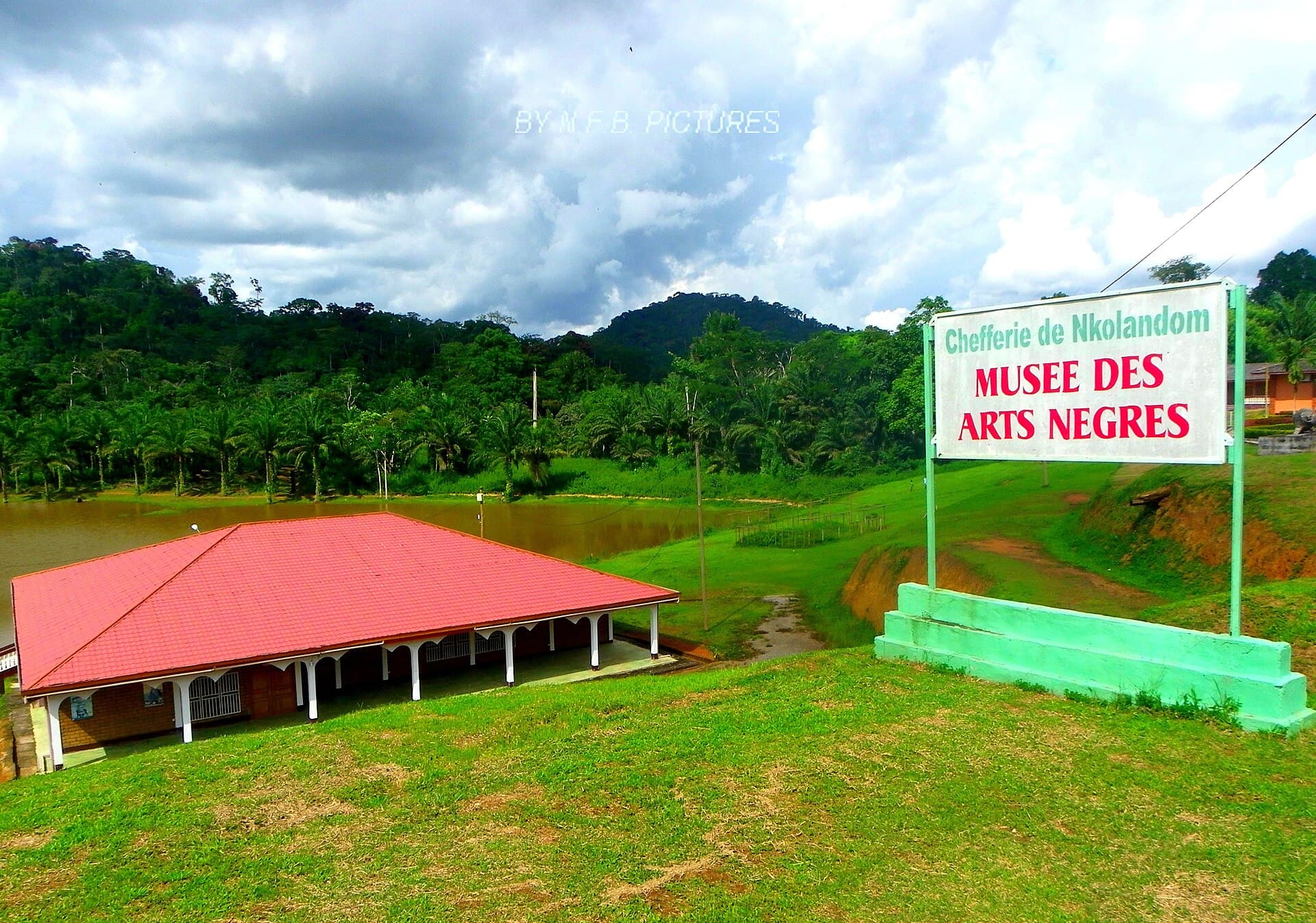
Museum of the Negro Arts: Cultural Treasures in Nkolandom, Cameroon
Immerse yourself in Cameroonian artistic traditions at this distinctive museum set in the hills of Nkolandom.
Why Visit the Museum of the Negro Arts
The Museum of the Negro Arts preserves and displays traditional sculptures, masks, textiles, and ceremonial objects drawn from communities across Cameroon and neighboring regions. Its collection highlights the craftsmanship of woodcarvers, blacksmiths, and weavers whose works once served spiritual and social functions in village life. Visitors gain direct insight into the symbolic meanings behind motifs such as the double-headed drum and the leopard, central figures in local cosmology.
What to See and Do
Wander through galleries arranged by theme rather than chronology. One hall focuses on initiation regalia used by secret societies, while another presents household objects that reveal daily aesthetics. Outdoor courtyards contain larger carved pillars and stools that once marked chiefly compounds. Guides from nearby villages often demonstrate carving techniques or explain the use of raffia fiber in weaving, adding living context to the static displays.
Practical Activities
- Join a short walking tour of the adjacent craft village where artisans still produce items using ancestral methods.
- Attend occasional storytelling sessions that connect objects in the collection to oral histories of the region.
- Photograph the surrounding landscape of rolling hills and cocoa plantations that supply many local carving woods.
Getting There
Nkolandom lies roughly two hours by road south of Yaoundé. Travelers can take a shared taxi or private vehicle along the paved highway toward Ebolowa, then turn onto a laterite track for the final kilometers. The route passes through forest reserves and small market towns, offering glimpses of rural life en route. Once in the village, the museum sits on a slight rise with clear signage from the main square.
Best Time to Visit
The dry season from November to February brings reliable roads and comfortable temperatures for walking between indoor and outdoor exhibits. During the rainy months, paths can become muddy and some village demonstrations pause, though the museum itself remains open. Early mornings avoid the midday heat and allow time to combine the visit with lunch at a nearby roadside maquis serving grilled fish and plantains.
Nearby Attractions
Combine a museum visit with stops at the Ebolowa market for fresh produce and woven baskets, or continue south to the Dja Faunal Reserve for wildlife viewing. Traditional palaces in nearby chiefdoms sometimes welcome respectful visitors who have first stopped at the museum to understand the regalia on display there.
Visitor tips
- Hire a local guide upon arrival to explain the deeper meanings of masks and carvings that may not be labeled in English or French.
- Carry cash for small purchases at the adjacent craft stalls, as card facilities are unavailable in the village.
- Wear sturdy shoes for the uneven paths around the outdoor sculpture garden and nearby village trails.
Frequently asked questions
How much time should I allocate for a visit?
Most visitors spend two to three hours exploring the galleries and outdoor areas, plus an additional hour if they join a village craft demonstration.
Is the museum suitable for children?
Yes, the outdoor spaces and hands-on carving demonstrations appeal to families, though some ceremonial objects carry spiritual significance that guides explain with care.
Can I take photographs inside the galleries?
Photography is permitted in most areas except where sacred objects are displayed; ask staff at the entrance for current guidelines.
Are there restrooms and refreshments on site?
Basic facilities are available near the entrance, and simple snacks can be purchased from village vendors just outside the grounds.
Is the site accessible for visitors with limited mobility?
The main indoor galleries have level access, but the outdoor sculpture area includes some gravel paths that may require assistance.