Why the Museum of Colonial Art Matters
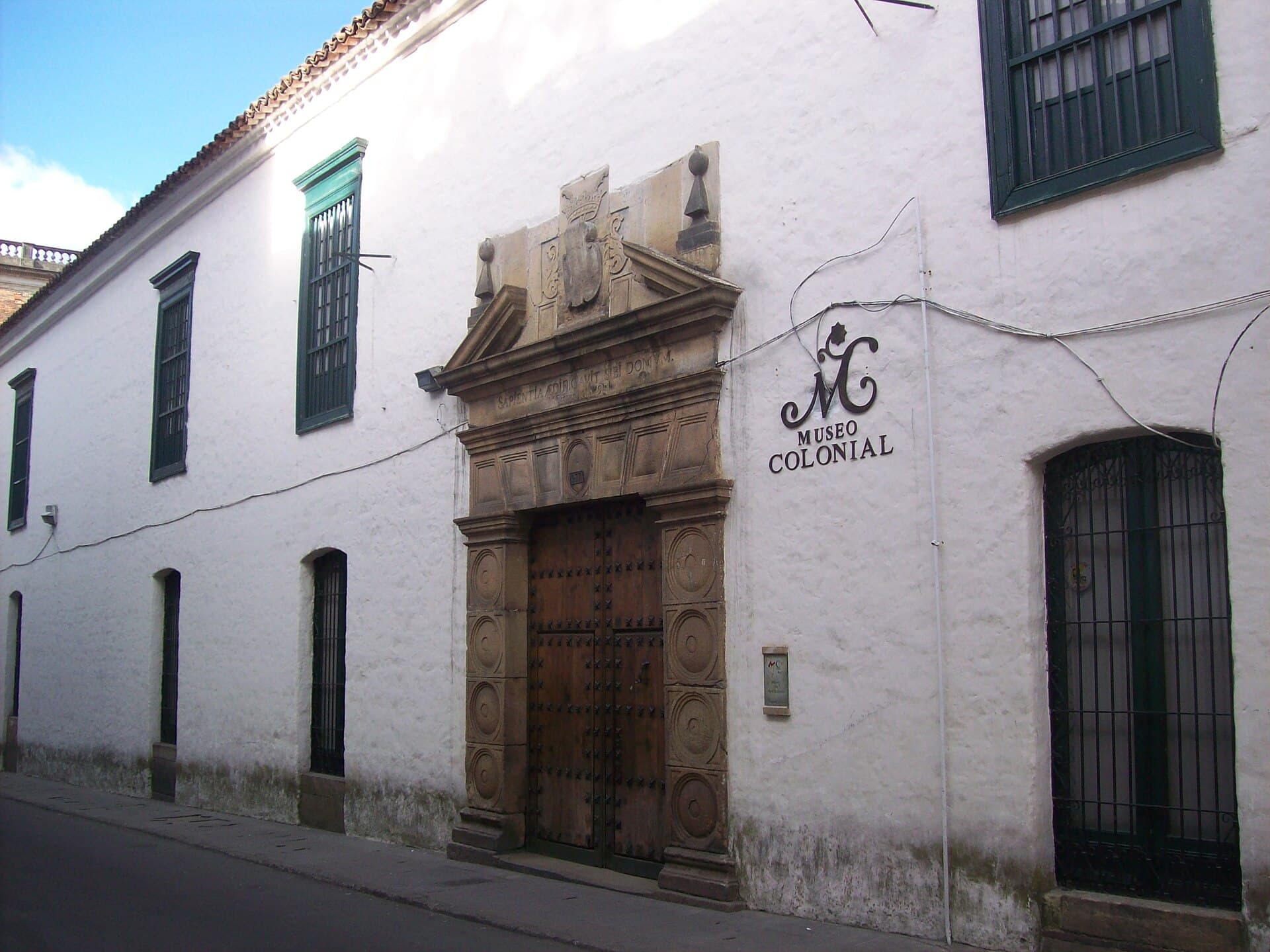
Located in a restored 17th-century Jesuit college in Bogotá’s La Candelaria district, the Museum of Colonial Art houses one of the country’s most important collections of paintings, sculptures, furniture, and silverwork produced during Spanish rule. The works document the religious, social, and artistic life of New Granada, offering visitors a direct encounter with the visual language that shaped modern Colombia.
What to See Inside
Paintings by Gregorio Vásquez de Arce y Ceballos
The museum’s core strength lies in its holdings by the most prolific colonial painter active in Bogotá. Large canvases such as “The Last Judgment” and numerous depictions of the Virgin and saints reveal the artist’s mastery of dramatic chiaroscuro and local color palettes. Labels explain how Vásquez adapted European models to Andean settings and indigenous features.
Sculpture and Decorative Arts
Polychrome wooden statues of saints and virgins line the cloister galleries. Many retain original gilding and glass eyes, demonstrating the technical skill of local workshops. Look for the series of 18th-century processional figures still used in Holy Week celebrations today. Silver censers, monstrances, and domestic silverware illustrate the wealth that flowed through the city’s mint and churches.
Period Rooms and Architecture
Original brick-vaulted ceilings, thick adobe walls, and a central courtyard with stone fountain remain intact. Reconstructed convent cells and a small library give a sense of daily colonial life. Temporary exhibitions in the upper galleries often juxtapose colonial pieces with contemporary responses.
Getting There and Around
The museum sits on Calle 10 between Carreras 6 and 7, a short walk from the Museo del Oro and the Botero Museum. Use TransMilenio to the Museo del Oro station, then continue on foot through the pedestrianized historic core. Taxis and ride-hailing apps drop passengers directly at the entrance on Carrera 6. The surrounding cobblestone streets reward slow exploration before or after your visit.
Best Time to Visit
Bogotá’s dry seasons (December–March and July–August) offer the most reliable weather for walking between La Candelaria attractions. Mornings tend to be clearer and less crowded with school groups. The city’s altitude keeps temperatures mild year-round, but carry a light layer for sudden afternoon showers even in the dry months.
Nearby Attractions Worth Combining
- Gold Museum – pre-Columbian metallurgy two blocks away
- Botero Museum – modern Colombian art in a colonial mansion
- Plaza de Bolívar and the Cathedral – political and religious heart of the city
- Chorro de Quevedo – lively square with street performers and cafés