
Keep reading
Nearby & related
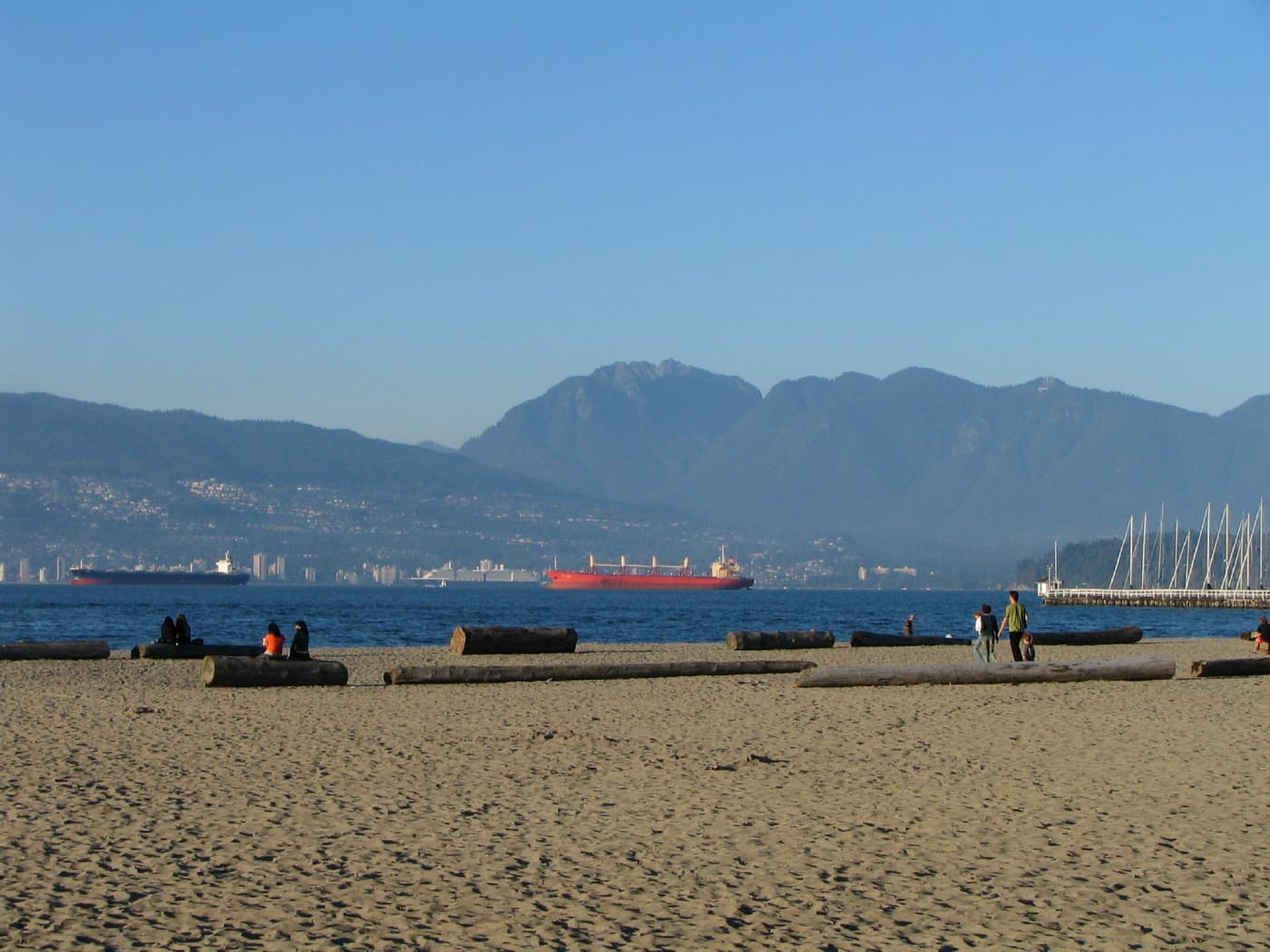
Jericho Beach: Vancouver’s Quiet Waterfront Park with Mountain Views
A long sandy stretch backed by parkland, Jericho Beach offers calm waters, scenic walks, and easy access to Vancouver’s…
31 July 2026
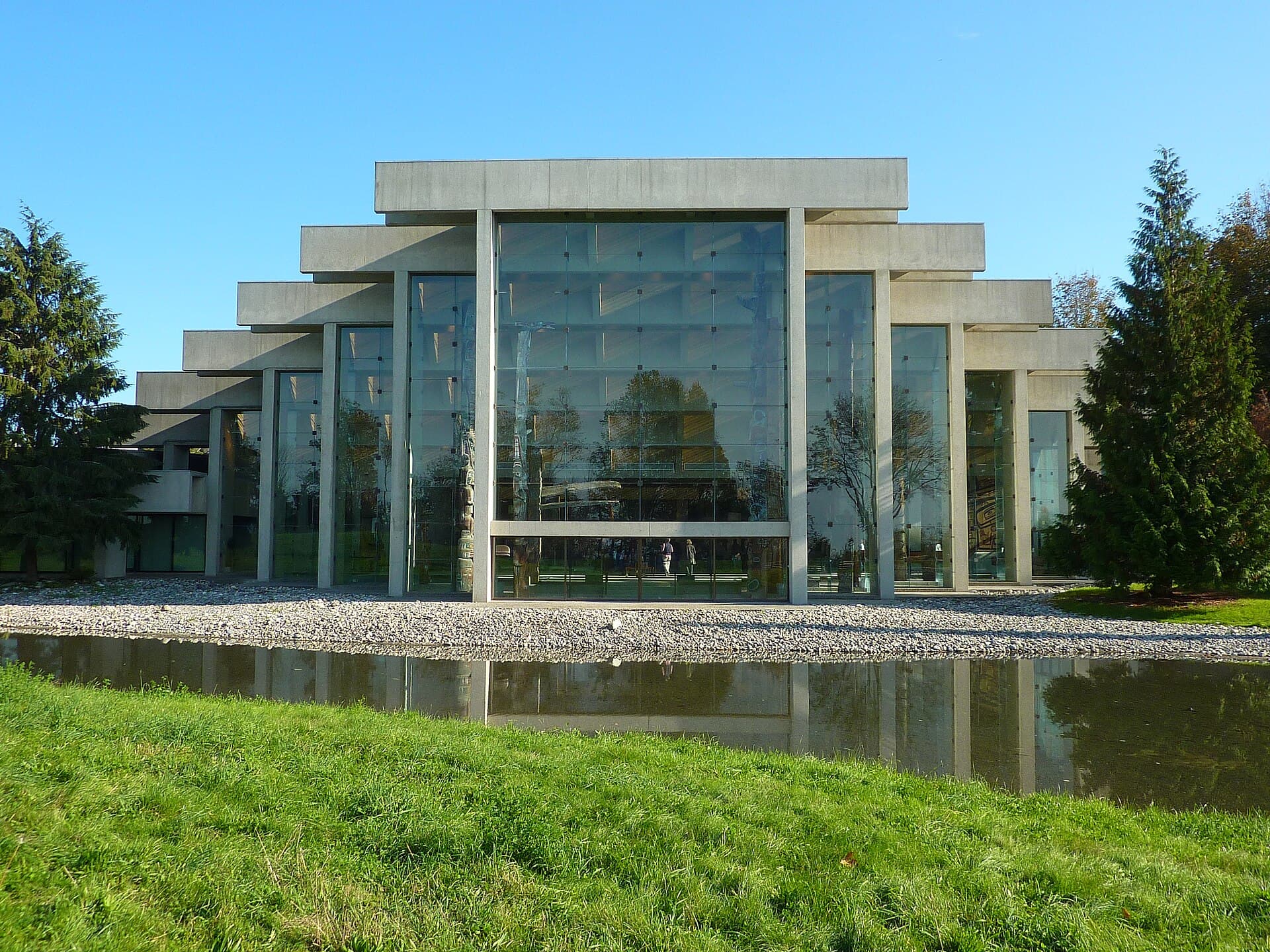
Explore monumental totem poles, intricate carvings, and global cultural treasures in a landmark building overlooking the Pacific.
The Museum of Anthropology at the University of British Columbia houses one of the world’s finest collections of Northwest Coast Indigenous art and artifacts. Its centerpiece is the Great Hall, where massive Haida and Kwakwaka’wakw totem poles rise beneath soaring glass walls, allowing natural light to highlight the cedar carvings and painted details. The museum’s strength lies in its depth of Pacific Northwest material, including bentwood boxes, argillite carvings, and woven textiles that reveal sophisticated cultural knowledge passed through generations.
Visitors should begin in the Multiversity Galleries, where thousands of objects from Asia, Africa, and the Americas are displayed in open storage drawers and cases. This layout encourages close looking at everything from Japanese ceramics to African masks. Outside, the outdoor sculpture garden features contemporary works by Indigenous artists alongside historic poles, set against views of the Strait of Georgia. Temporary exhibitions rotate through the smaller Koerner European Ceramics Gallery and the O’Brian Gallery, often focusing on living artists or current cultural issues.
Arthur Erickson’s 1976 building integrates concrete, glass, and wood in a design inspired by traditional longhouses. The structure sits on a bluff within the UBC campus, surrounded by forest and offering glimpses of the ocean. The location encourages combining a museum visit with a walk through the adjacent Nitobe Memorial Garden or along trails in Pacific Spirit Regional Park.
The museum is reached by frequent buses from downtown Vancouver, including rapid-transit routes that stop directly on campus. Drivers can use the university’s parkades or peripheral lots and walk through the campus. Spring and fall offer comfortable temperatures for outdoor exploration and fewer crowds than summer. Winter visits emphasize the dramatic interior spaces and the contrast between the museum’s warmth and the often-rainy coastal weather.
After the museum, many visitors continue to Wreck Beach for shoreline walks or the UBC Botanical Garden for plant collections. The campus also hosts the Beaty Biodiversity Museum and the Morris and Helen Belkin Art Gallery, both within walking distance and offering complementary perspectives on natural history and contemporary art.
Keep reading
A long sandy stretch backed by parkland, Jericho Beach offers calm waters, scenic walks, and easy access to Vancouver’s…
Most visitors spend two to three hours inside the galleries and another hour exploring the outdoor sculptures and nearby campus paths.
Yes. The large totem poles and hands-on elements in the family programs appeal to kids, though younger children may need supervision around the tall display cases.
Photography is allowed in most public areas without flash; restrictions apply only to a few temporary exhibitions where notices are posted.
Take the 99 B-Line or R4 rapid bus from downtown; the trip takes about 30-40 minutes and drops you a short walk from the museum entrance.
The UBC campus has multiple cafu00e9s and food outlets within a five- to ten-minute walk, including casual spots in the Student Union Building and the Museumu2019s own small cafu00e9.