Why the Museu Municipal de São Filipe Matters
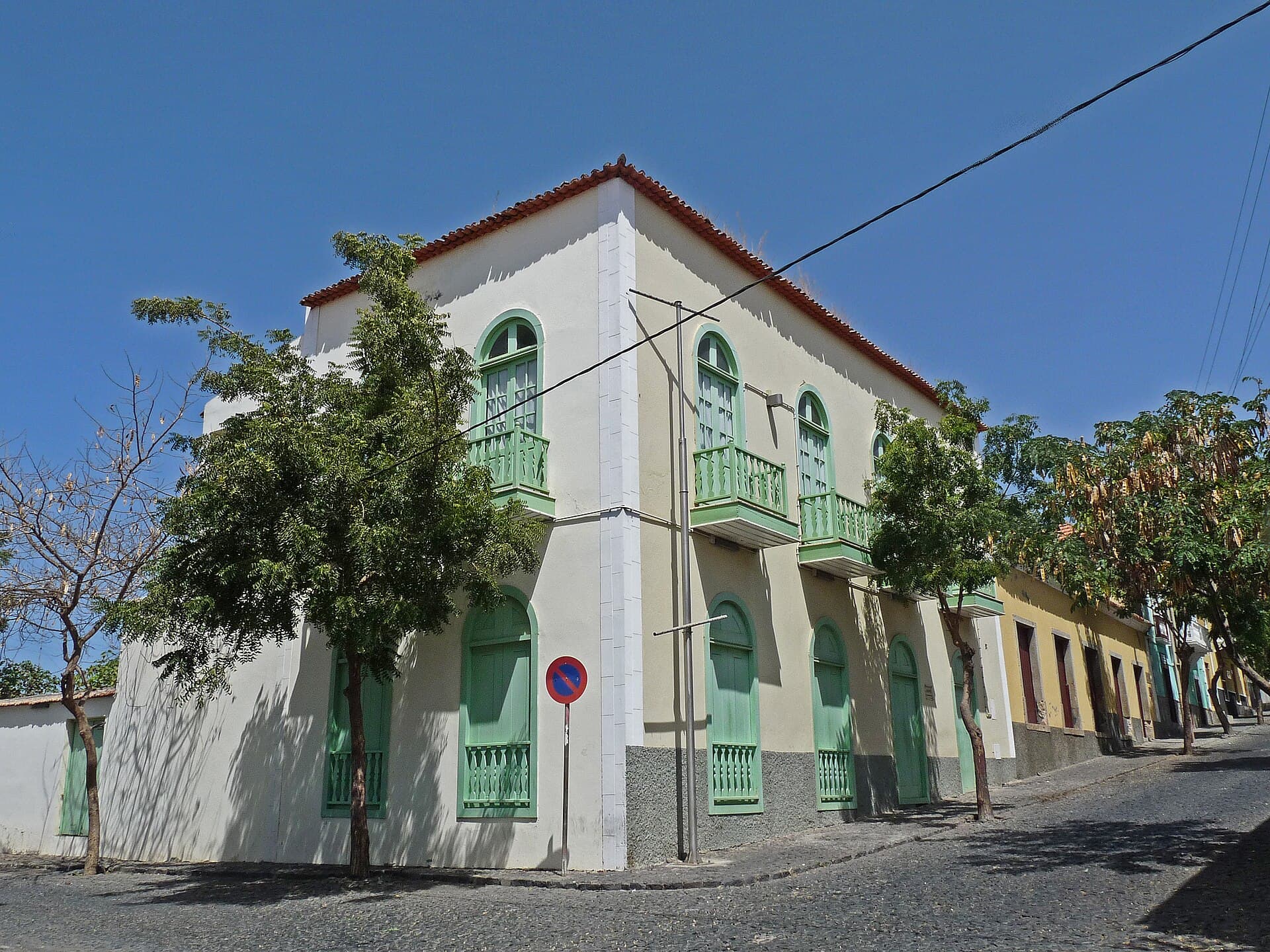
São Filipe’s municipal museum sits in the heart of Fogo’s historic capital, offering visitors a focused introduction to the island’s unique blend of volcanic geology, Creole culture, and colonial past. Rather than overwhelming with scale, the museum presents carefully chosen objects that trace how eruptions, transatlantic trade, and island isolation shaped daily life on Fogo.
What to See Inside
Exhibits begin with geological specimens from the 2014–2015 eruption, including lava samples and ash deposits that illustrate the island’s ongoing transformation. Adjacent rooms display traditional agricultural tools used in the steep slopes of the Chã das Caldeiras, alongside household pottery and textiles that reflect Portuguese-African fusion. A small photographic archive documents the rebuilding of communities after major eruptions, giving context to the resilience still visible in today’s villages.
Practical Layout and Flow
The museum occupies a restored colonial building with three modest galleries arranged around a central courtyard. Visitors typically spend 45 to 90 minutes moving from geology to ethnography to contemporary local art. Labels appear in Portuguese and English, and the staff often provide informal explanations when asked.
Getting There and Timing Your Visit
Most travelers arrive by ferry from Praia or by plane to São Filipe’s small airport, then walk or take a short taxi ride into the compact historic center. The museum lies a few blocks from the main square, making it an easy first stop after settling in. The driest months, November through June, offer the most comfortable walking weather and fewer disruptions from volcanic haze.
Nearby Attractions Worth Combining
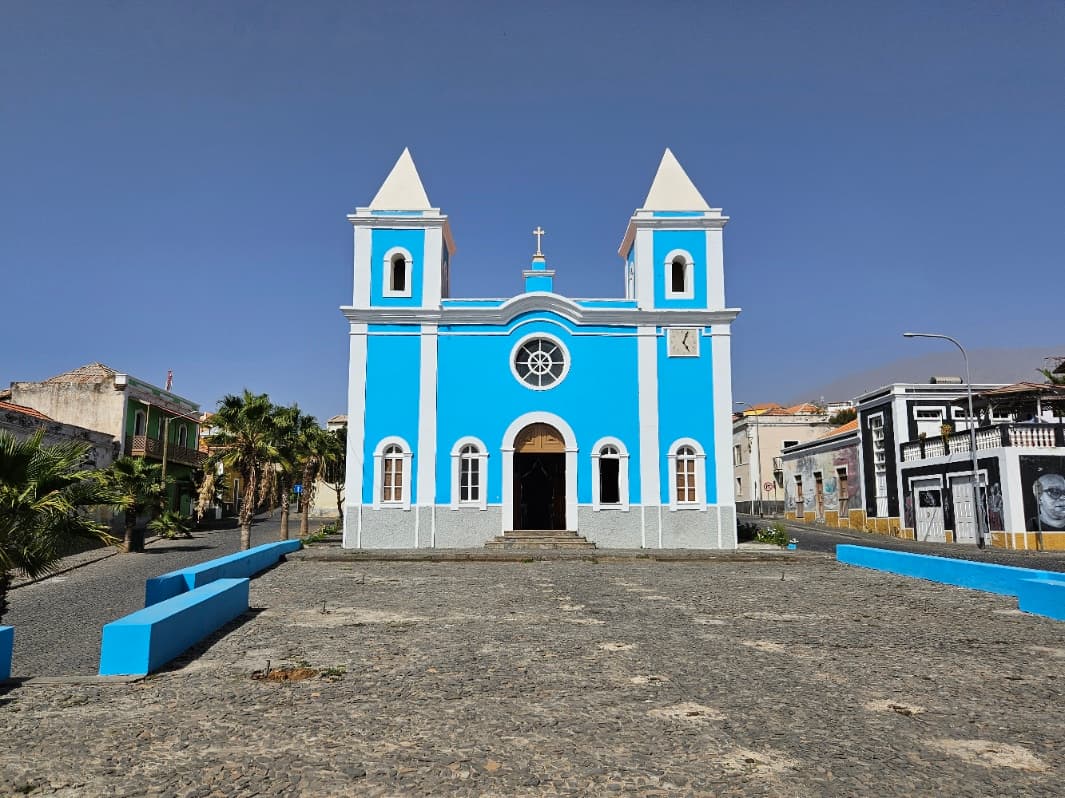
- The 18th-century Nossa Senhora da Conceição church, a short stroll away, showcases the island’s religious heritage.
- The coastal path below the town leads to black-sand beaches where fishermen still launch traditional boats.
- Day trips to the volcano crater depart from São Filipe and pair naturally with a morning museum visit for background context.
Combining the museum with a crater hike or a tasting of local wine produced on the volcanic slopes creates a well-rounded day that reveals both Fogo’s dramatic landscape and its human stories.