Keep reading
Nearby & related

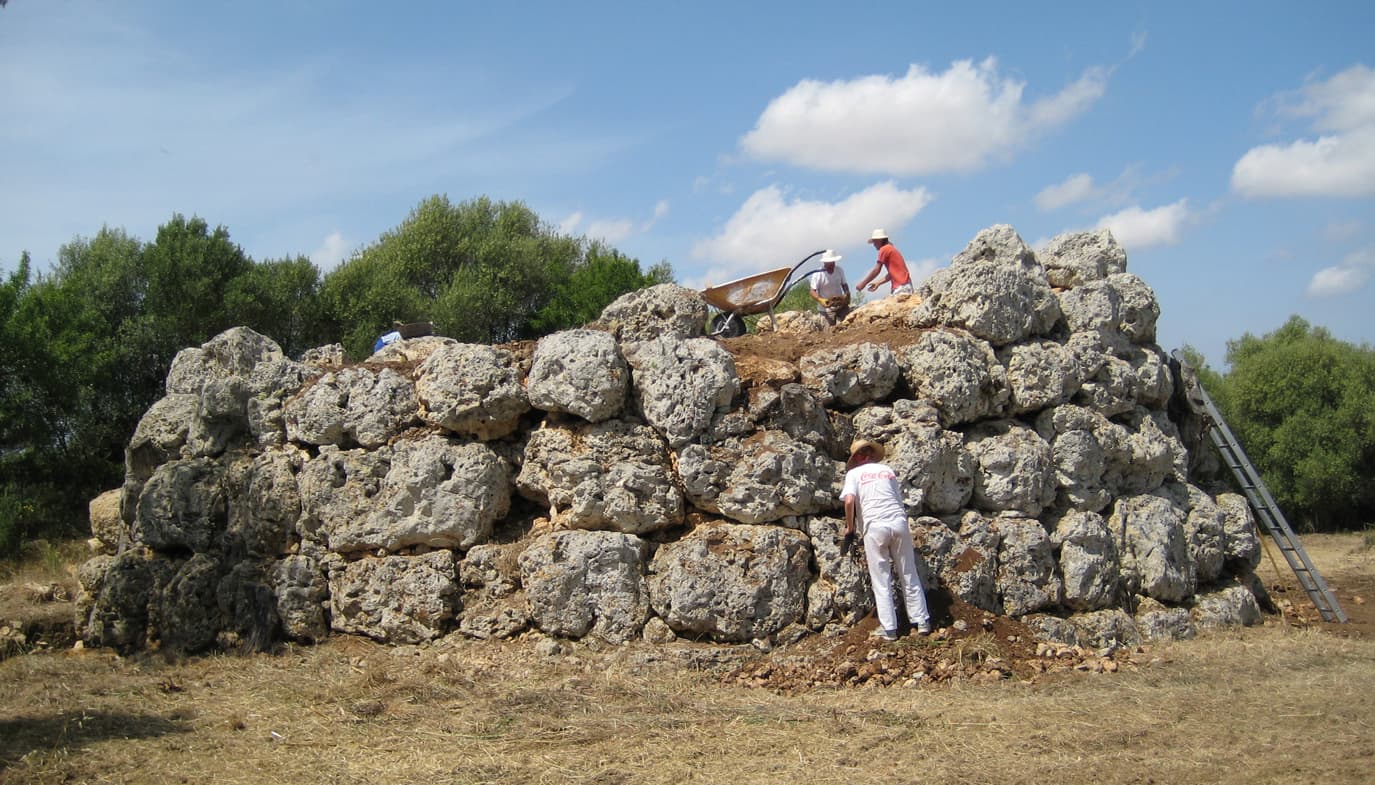
Poblat Pretalaiòtic des Figueral: Exploring Mallorca’s Hidden Bronze Age Village
A quiet prehistoric settlement in northeastern Mallorca revealing early island life long before the Talayotic towers.
21 September 2026
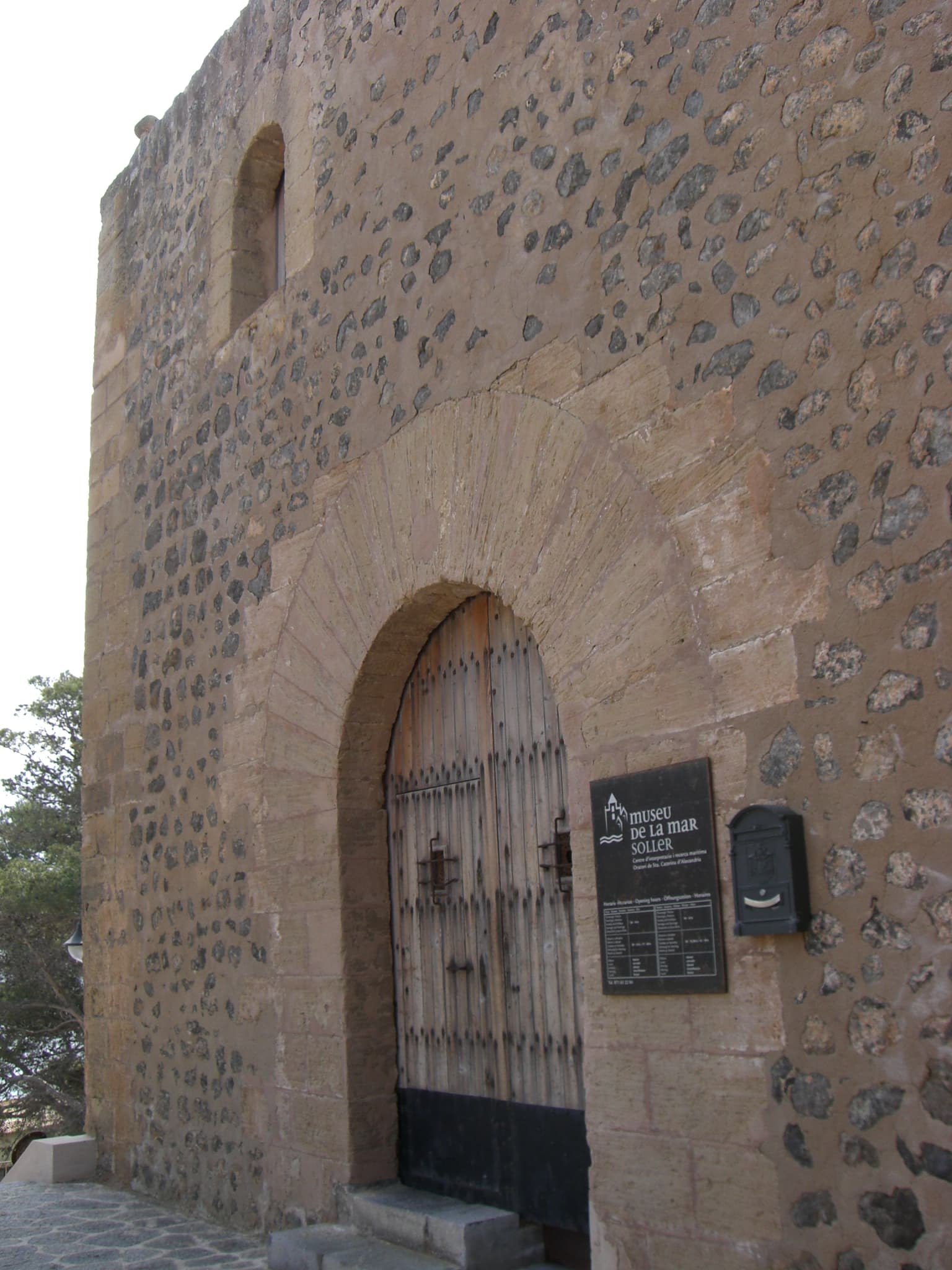
Step into the seafaring story of the Balearic Islands at this compact museum dedicated to local shipbuilding, navigation, and coastal life.
Located in the valley town of Sóller on Mallorca’s northwest coast, the Museu de la Mar preserves the island’s deep connection to the Mediterranean. The museum focuses on the wooden boats, trading routes, and fishing traditions that shaped the region for centuries, offering visitors a tangible link to the working harbor just a short tram ride away.
Inside, scale models of traditional llaüts and other local vessels illustrate centuries-old shipbuilding techniques. Display cases hold navigation instruments, sailors’ personal effects, and archival photographs documenting the orange and almond trade that once flourished from Sóller’s port. A small section devoted to the dramatic 19th-century shipwrecks along the Serra de Tramuntana coastline provides sobering context for the perils faced by local mariners.
The museum occupies a restored stone building with simple, well-lit galleries spread over two floors. Expect to spend 45–75 minutes exploring; the collection is intimate rather than exhaustive, rewarding those who linger over the detailed models and period documents. English-language panels accompany the Catalan and Spanish texts, making the stories accessible to international visitors.
Most travelers arrive via the scenic wooden tram that runs between Palma and Sóller, then continue by foot or local bus to the port area where the museum sits. Parking is limited in the historic center, so public transport or walking from the tram terminus is the most practical option. The museum integrates easily into a half-day itinerary that also includes the port’s working harbor and nearby beaches.
Spring and autumn bring milder temperatures and fewer crowds, ideal for combining the museum with a walk along the coastal path or a meal of fresh seafood at the harbor. Summer visits are possible but pair better with an early-morning start to avoid the midday heat and peak tourist numbers. Winter months offer quiet galleries and the chance to see how locals prepared their boats for the calmer season.
After your visit, stroll to the Port de Sóller for views of the yacht harbor and the iconic tram terminus. The Jardí Botànic and the Can Prunera art museum lie within easy walking distance in Sóller town, while the dramatic coastal drive toward Deià and Valldemossa rewards those with a rental car.
Keep reading
A quiet prehistoric settlement in northeastern Mallorca revealing early island life long before the Talayotic towers.
It stands in the Port de Su00f3ller area of Mallorca, a short walk from the harbor and easily reached by tram from Su00f3ller town.
Yes, the scale models and maritime stories appeal to younger visitors, though the galleries are compact and best for ages 8 and up.
Most guests spend between 45 minutes and an hour and a half exploring the two floors of exhibits.
Absolutely; the site sits near the port, the tram line, and several restaurants, making it simple to build a half-day itinerary.
Non-flash photography is generally permitted for personal use, but always check current signage upon arrival.
Discover this well-preserved prehistoric monument hidden in the quiet countryside of central Mallorca.
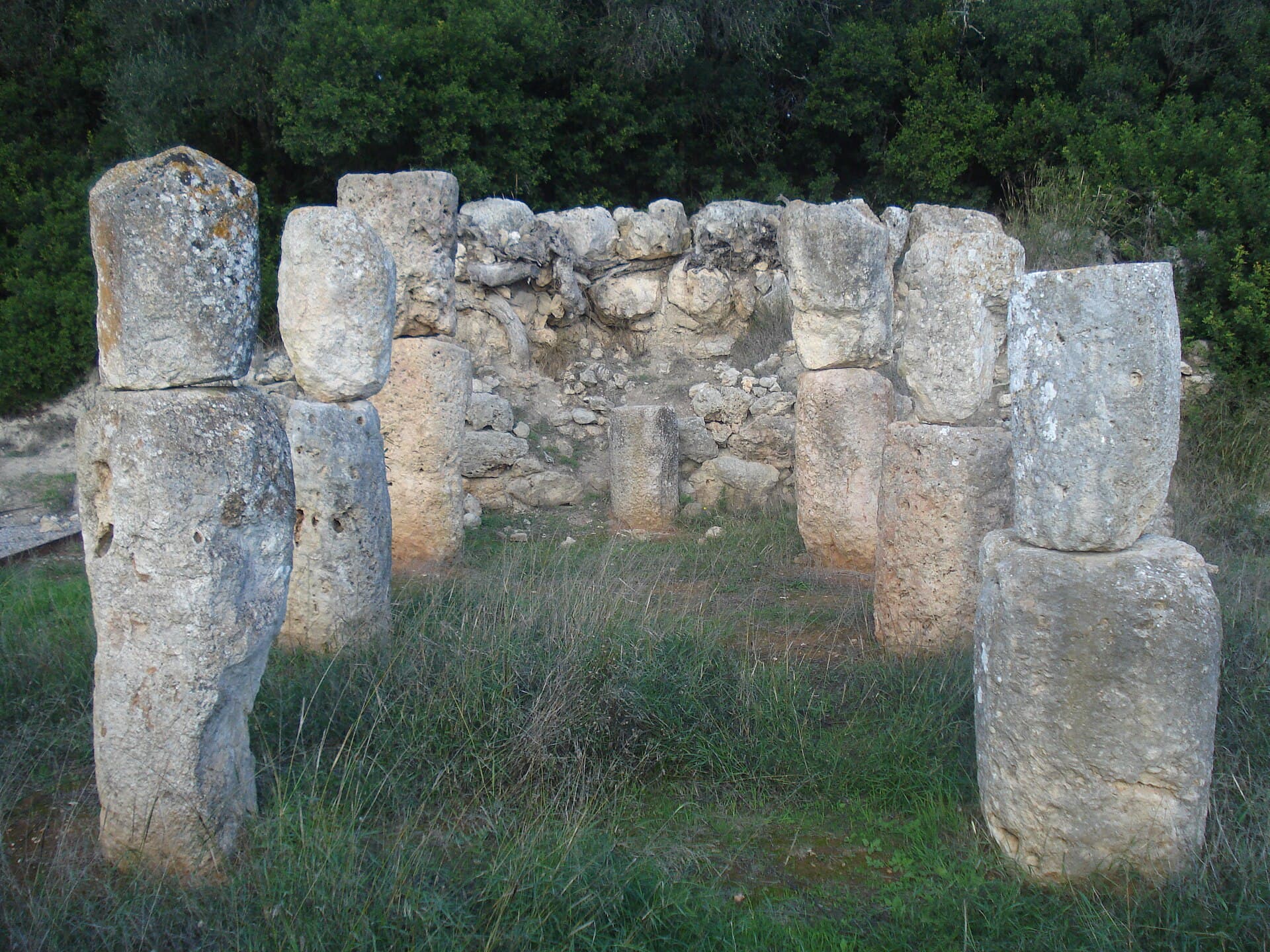
Step into the Bronze Age at this remarkably intact prehistoric temple set amid Mallorca’s rural heartland.