Skip to content
Plan & Tour
DestinationsItinerariesTravel BlogAboutContact
0Sign inPlan a trip
Plan & TourPlan & Tour

Travel guides, destination inspiration and curated itineraries for Canada, the USA and beyond, plus a free tool to plan your own day-by-day trip.

Get travel inspiration

Explore

  • All Destinations
  • Curated Itineraries
  • Travel Blog
  • Plan a Trip

Topics

  • Hiking & Nature
  • Food & Drink
  • City Breaks
  • Budget Travel

Company

  • About Us
  • Contact
  • Privacy Policy
  • Terms of Service

© 2026 Plan & Tour. Built for travellers.

Discover the world, one trip at a time.

Museu Balear de Ciències Naturals: Mallorca’s Window into Balearic Biodiversity
  1. Home
  2. Destinations
  3. Balearic Islands
  4. Museu Balear de Ciències Naturals: Mallorca’s Window into Balearic Biodiversity
Museum

Museu Balear de Ciències Naturals: Mallorca’s Window into Balearic Biodiversity

Explore the islands’ geology, endemic plants, and wildlife at this focused natural-history museum in Sóller.

Balearic IslandsUpdated 21 September 2026

Why Visit the Museu Balear de Ciències Naturals

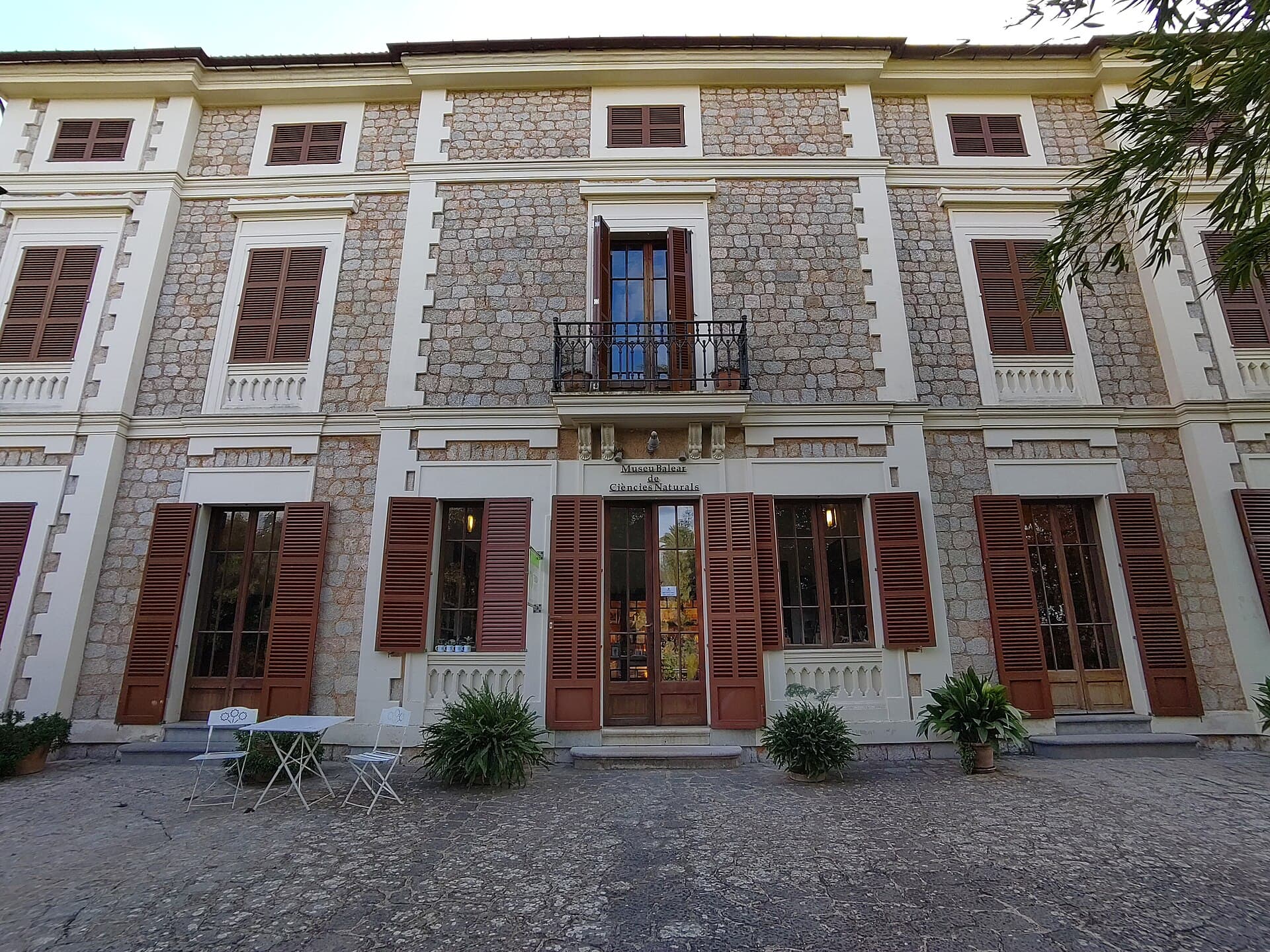
Located in the historic Can Capellà mansion in Sóller, the Museu Balear de Ciències Naturals presents the geology, botany, and zoology of the Balearic archipelago in clear, well-organized galleries. Its permanent displays highlight species found nowhere else, such as the Balearic shearwater and endemic orchids, giving visitors a concise understanding of how isolation shaped these islands’ ecosystems.

Key Exhibits and Collections

Geology and Landscape Formation

The ground-floor galleries trace the islands’ origins from Jurassic limestone platforms to the dramatic folding that created the Serra de Tramuntana. Large rock samples and cross-sections illustrate karst processes and the role of ancient seas in shaping Mallorca’s dramatic cliffs and valleys.

Flora of the Balearics

Upstairs, herbarium sheets and dioramas showcase more than 1,500 plant species, including the rare Balearic cyclamen and the holm-oak forests of the northern mountains. Interactive panels explain pollination strategies adapted to the Mediterranean climate.

Fauna and Conservation

Taxidermy mounts and skeletal displays introduce the islands’ mammals, reptiles, and birds. Special attention is given to ongoing conservation projects for the Ferreret toad and the black vulture, with clear maps showing protected areas.

Getting There and Practical Access

The museum sits a short walk from Sóller’s main square. Travelers arriving by the historic Palma–Sóller railway step off at the station and follow a flat five-minute path. Drivers can use the municipal car parks around Plaça de la Constitució. The building is fully accessible on the ground floor, with an elevator to upper galleries.

Best Time to Visit and Nearby Attractions

Spring (March–May) and autumn (September–October) offer mild temperatures ideal for combining the museum with outdoor walks. After your visit, stroll Sóller’s orange groves or ride the vintage tram to Port de Sóller for coastal views. The UNESCO-listed Serra de Tramuntana hiking trails begin just outside town, making the museum a logical first stop before heading into the mountains.

Visitor tips

  • Pair the museum with a ride on the vintage Su00f3ller railway for a complete half-day itinerary without needing a car.
  • Wear comfortable shoes if you plan to continue into the Tramuntana trails immediately after your visit.
  • Check the current temporary exhibition schedule online before traveling, as rotating displays often focus on local conservation topics.

Frequently asked questions

How long does a typical visit take?+

Most visitors spend 60 to 90 minutes exploring the permanent galleries; allow an extra 30 minutes if a temporary exhibition is running.

Is the museum suitable for children?+

Yes. The displays include hands-on touch tables with fossils and shells, and clear labeling makes the content accessible for ages eight and older.

Can I combine a visit with hiking in the Serra de Tramuntana?+

The museum is an excellent starting point; several moderate trails begin within a 10-minute walk of the entrance.

Is photography allowed inside the galleries?+

Non-flash photography for personal use is permitted throughout the permanent collection.

Are there English-language materials available?+

All major panels include English translations alongside Catalan and Spanish; audio guides in English can be requested at the ticket desk.

Share
Google Maps Apple Maps Directions

Visitor info

Official website

Contact info via Wikidata

Image: Joan Gené · CC BY-SA 4.0 · via Wikimedia Commons

Keep reading

Nearby & related

All stories
La Talaia Freda: Hiking Mallorca’s Quiet Eastern Summit
Balearic Islands

La Talaia Freda: Hiking Mallorca’s Quiet Eastern Summit

A straightforward ascent to sweeping views across northeastern Mallorca’s coastline and countryside.

21 September 2026
El Fumat: Hiking Menorca’s Dramatic Northern Peak
Balearic Islands

El Fumat: Hiking Menorca’s Dramatic Northern Peak

Scale the rugged summit of El Fumat for sweeping coastal views across Menorca’s wild north.

21 September 2026
Es Telègraf: Hiking Menorca’s Eastern Summit for Island-Wide Views
Balearic Islands

Es Telègraf: Hiking Menorca’s Eastern Summit for Island-Wide Views

A rewarding climb to the highest point in eastern Menorca offering sweeping coastal and countryside panoramas.

21 September 2026