What Makes Museo El Castillo Worth Visiting
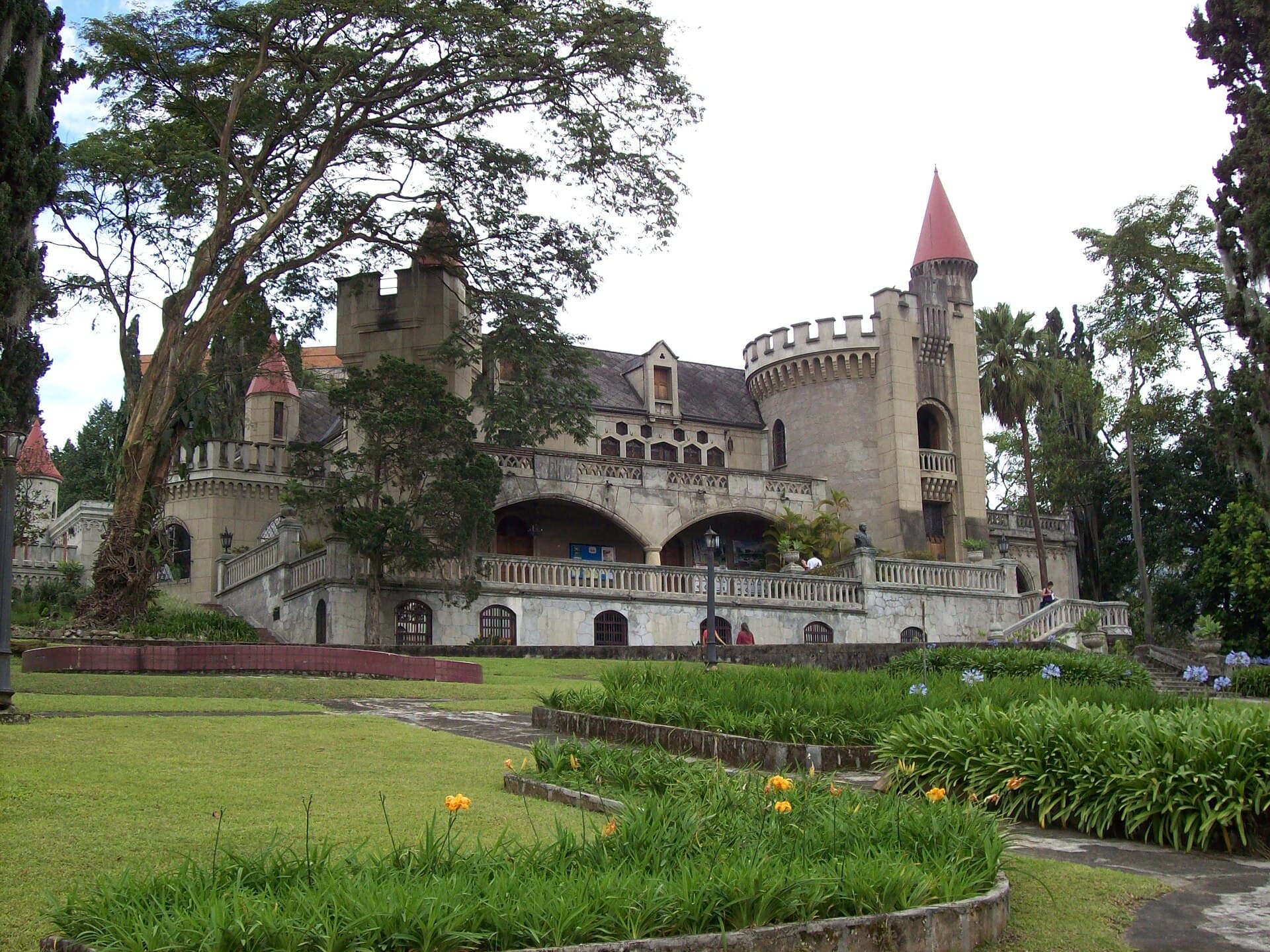
Built in the early 1930s by a wealthy industrialist, Museo El Castillo stands out for its European-inspired neo-Gothic design complete with turrets, pointed arches, and stone detailing rarely seen in Colombia. The mansion houses a permanent collection of European and Colombian paintings, antique furniture, porcelain, and decorative arts that reflect the tastes of Medellín’s early twentieth-century elite. Unlike larger institutions, the scale feels intimate, allowing visitors to appreciate each room’s original layout and the way natural light moves through stained-glass windows.
The Gardens and Outdoor Spaces
More than half the experience happens outside. Terraced formal gardens descend the hillside in symmetrical patterns planted with roses, hydrangeas, and native trees. A small lake and fountain provide focal points for photographs, while shaded paths lead to a rose garden and an outdoor amphitheater used for occasional cultural events. The elevated position offers distant views toward the Aburrá Valley, especially clear in the morning.
How to Get There
The museum sits on a quiet residential street in Medellín’s El Castillo neighborhood. From the city center, take Line A of the Medellín Metro to Aguacatala station, then a short taxi or bus ride uphill. Many visitors combine the trip with a walk through the adjacent Laureles or El Poblado districts. Ride-hailing apps work reliably; drivers know the landmark by name.
Best Time to Visit
Medellín’s mild climate makes any season comfortable, yet the gardens look their best after the March–May and September–November rainy periods when flowers are in full bloom. Weekday mornings tend to be quieter, giving more space to linger in the galleries and terraces. Weekend afternoons can bring local families and school groups.
Nearby Attractions
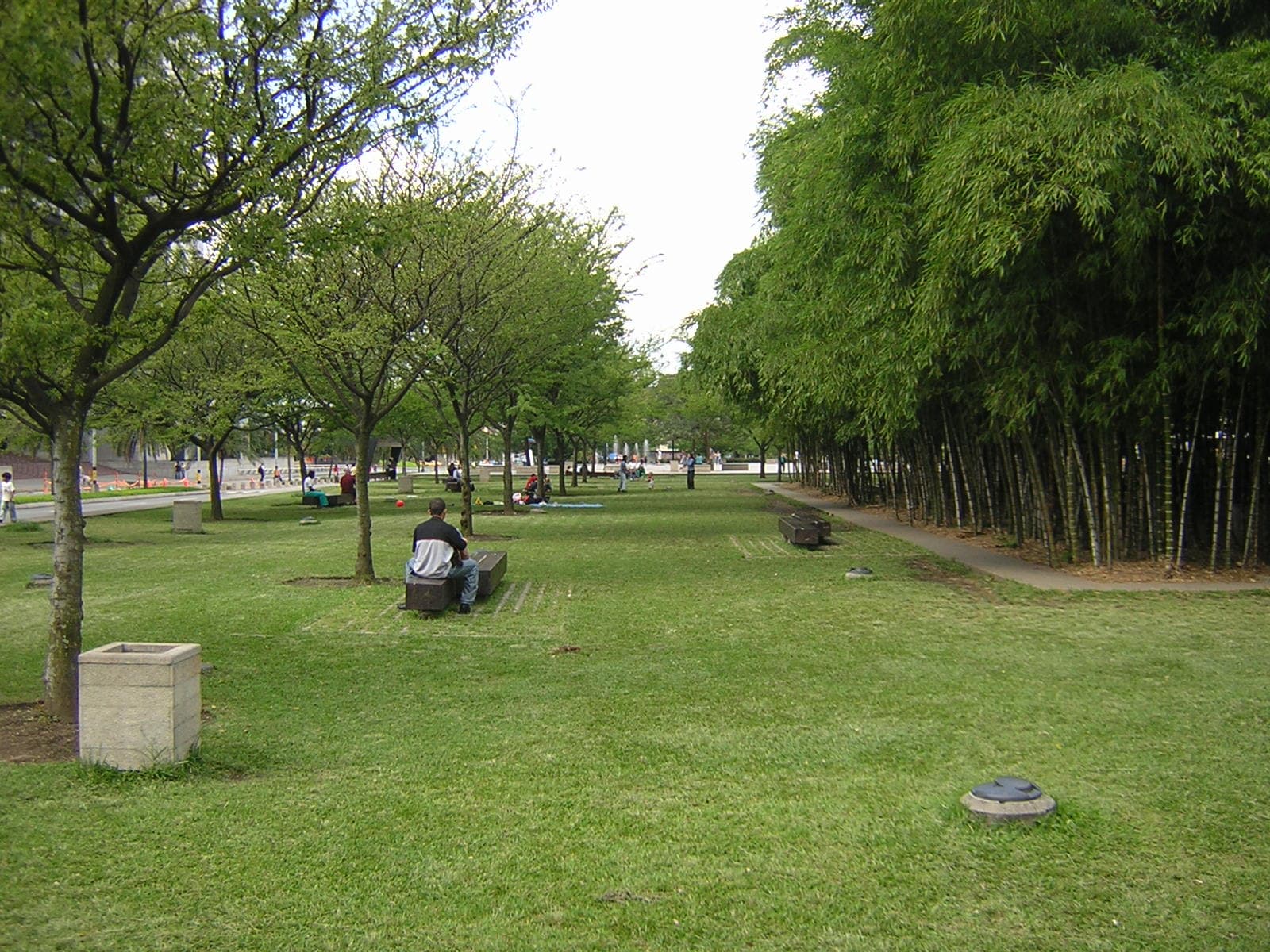
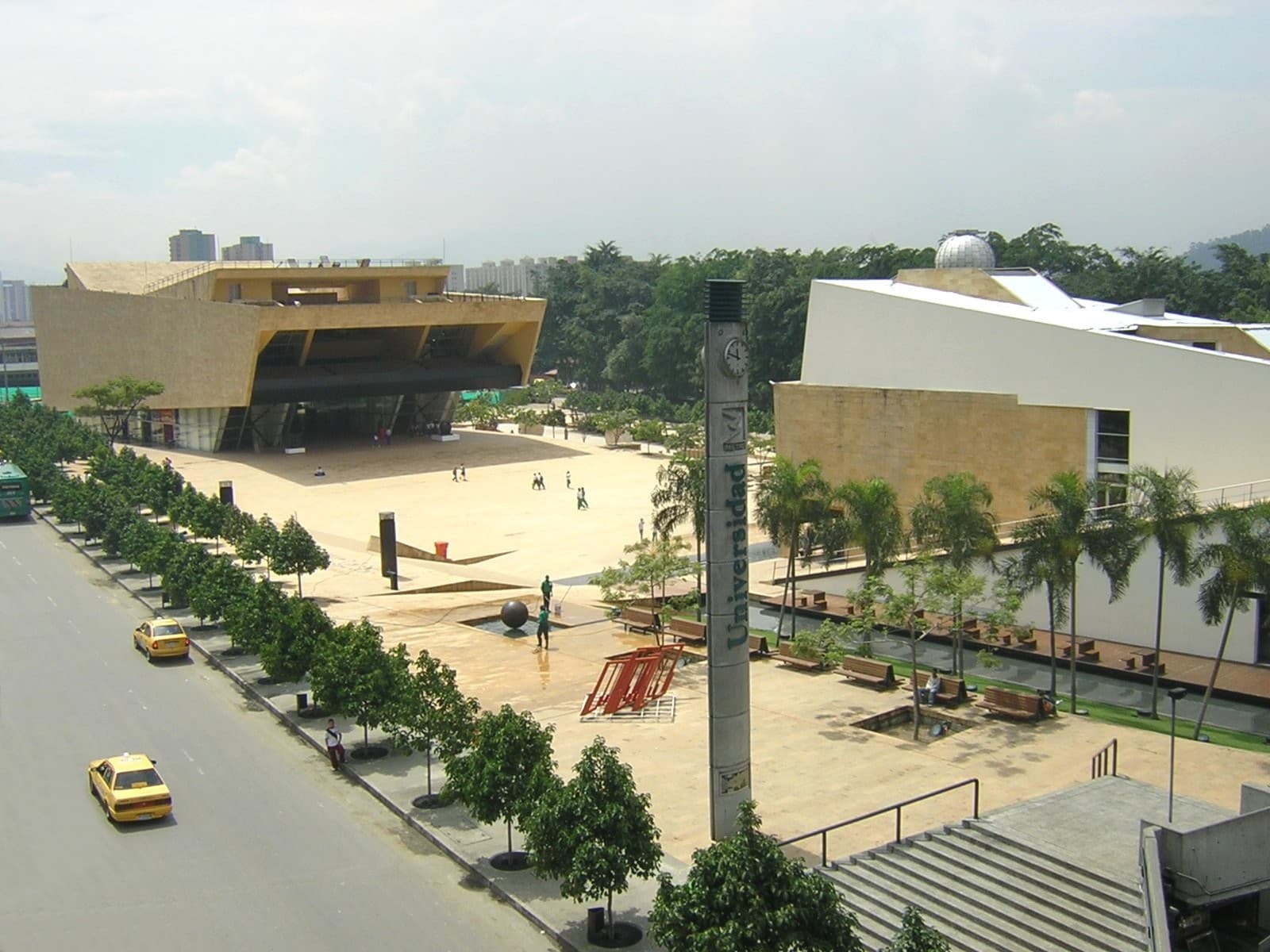
After your visit, continue downhill toward the Medellín River for the linear parks and public art installations along the former industrial corridor. The neighborhood also sits within easy reach of several smaller cultural centers and neighborhood plazas known for their street food and weekend markets.