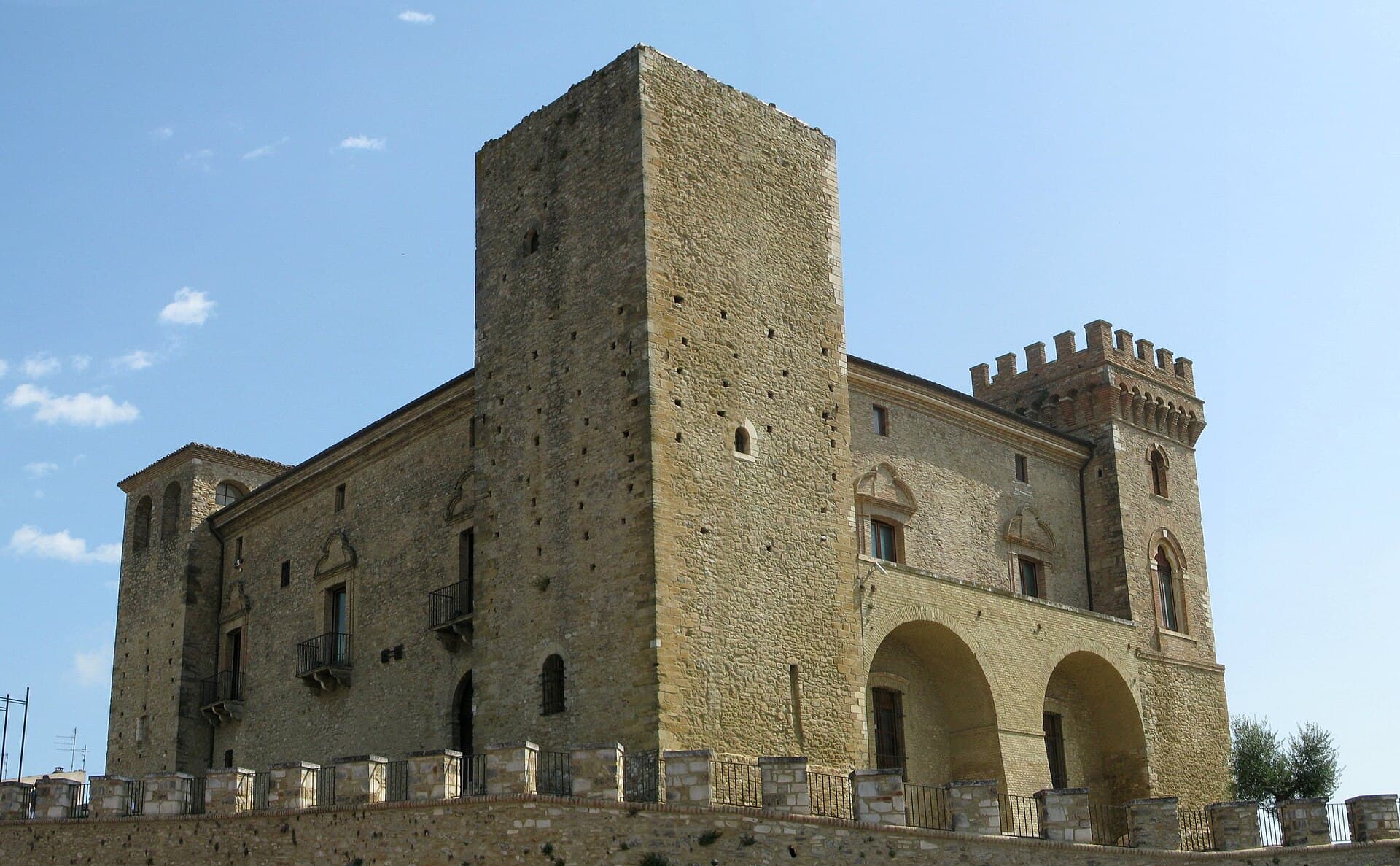
Why This Museum Matters
The Museo dell’Abruzzo Bizantino ed Altomedievale preserves and displays objects that reveal how Byzantine, Lombard, and local traditions overlapped in central Italy between the sixth and tenth centuries. Located in the rolling hills of Abruzzo, the collection draws from archaeological sites across the province and offers a focused look at a period often overshadowed by Rome and the Renaissance.
Highlights of the Collection
Visitors encounter stone carvings, architectural fragments, jewelry, ceramics, and metalwork that illustrate daily life and religious practice during the early Middle Ages. Marble reliefs with crosses and geometric patterns show the transition from late-antique to Byzantine styles, while bronze fibulae and belt buckles reflect Lombard craftsmanship. Glass vessels and imported amphorae point to active trade routes that connected the Adriatic coast to the eastern Mediterranean.
Archaeological Context
Many pieces come from nearby excavations, including fortified settlements and churches that dotted the landscape after the fall of the Western Roman Empire. The museum places these finds within their original settings, helping visitors understand how small communities adapted to shifting political powers.
Planning Your Visit
Allow at least ninety minutes to examine the displays at a measured pace. The museum’s compact size rewards close looking rather than a quick walk-through. Natural light in the main galleries enhances the texture of stone and metal surfaces, so morning visits often provide the best viewing conditions.
Getting There
The museum sits in the province of Chieti, easily reached by car from Pescara or by regional train to the nearest station followed by a short taxi ride. Parking is available nearby for those driving the coastal or inland routes.
Best Time to Go and Nearby Attractions
Spring and autumn deliver mild weather ideal for combining the museum with walks through the surrounding countryside. Summer brings heat and occasional festivals; winter can limit access to related outdoor sites. After your visit, explore the medieval village of Crecchio, the nearby Majella National Park for hiking, or the Adriatic beaches less than thirty minutes away for a contrast between inland history and coastal scenery.