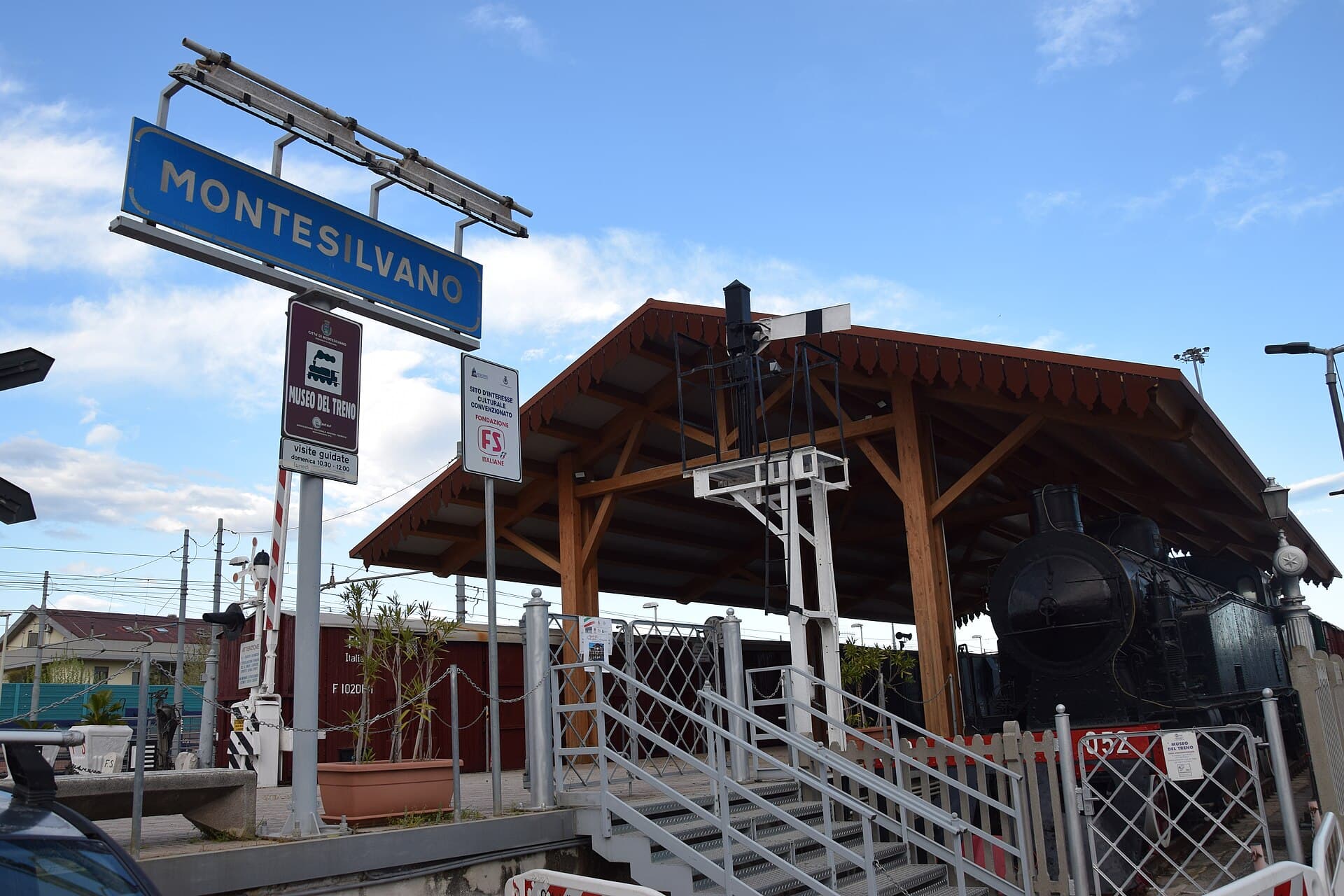
Why Visit Museo del Treno
Museo del Treno preserves a collection of vintage locomotives, carriages, and railway artifacts that tell the story of how rail lines connected Abruzzo’s mountains and coast. The museum highlights engineering from the early 20th century onward, showing how trains shaped local industry, tourism, and daily life in this part of central Italy.
What to See and Do
Visitors can walk among full-size steam and diesel engines displayed outdoors and inside covered sheds. Indoor halls feature scale models, period photographs, uniforms, and signaling equipment that illustrate the evolution of Italian railways. Interactive panels explain track construction through the Apennines and the role of the Adriatic line. Families often spend time examining the restored passenger cars where they can sit on original benches and view black-and-white footage of historic journeys.
Practical Activities
- Follow the self-guided route that starts with early steam locomotives and ends with postwar electric trains.
- Listen to recorded oral histories from former railway workers available at several listening stations.
- Photograph the large outdoor yard where engines are positioned against the Abruzzo hills.
Getting There
The museum lies near the Adriatic railway corridor, making arrival by regional train straightforward from Pescara Centrale or Montesilvano stations. A short walk or local bus connects the platforms to the entrance. Drivers can use the coastal motorway and park in adjacent lots; the site is also reachable by bicycle along the flat seaside promenade.
Best Time to Visit
Spring and early autumn offer mild weather ideal for exploring the outdoor locomotive yard without summer heat or winter rain. Weekday mornings tend to be quieter, allowing more time to study details on the engines. The surrounding coastal plain remains accessible year-round, though spring wildflowers add color to nearby fields.
Nearby Attractions
Combine a visit with a stroll along Montesilvano’s beachfront or a trip to Pescara’s historic center and its river-mouth nature reserve. The regional wine route through the hills behind the coast provides another easy half-day extension, as does a short train ride north to the medieval hill town of Città Sant’Angelo.