Why Visit Museo del Lupo
Located in the heart of Abruzzo, the Museo del Lupo offers a focused look at the Apennine wolf, a subspecies that has survived centuries of persecution and now symbolizes successful rewilding in Italy’s central mountains. The museum sits amid beech forests and high plateaus that still support wild wolf packs, making a visit feel directly connected to the living landscape outside its doors.
Exhibits and Collections
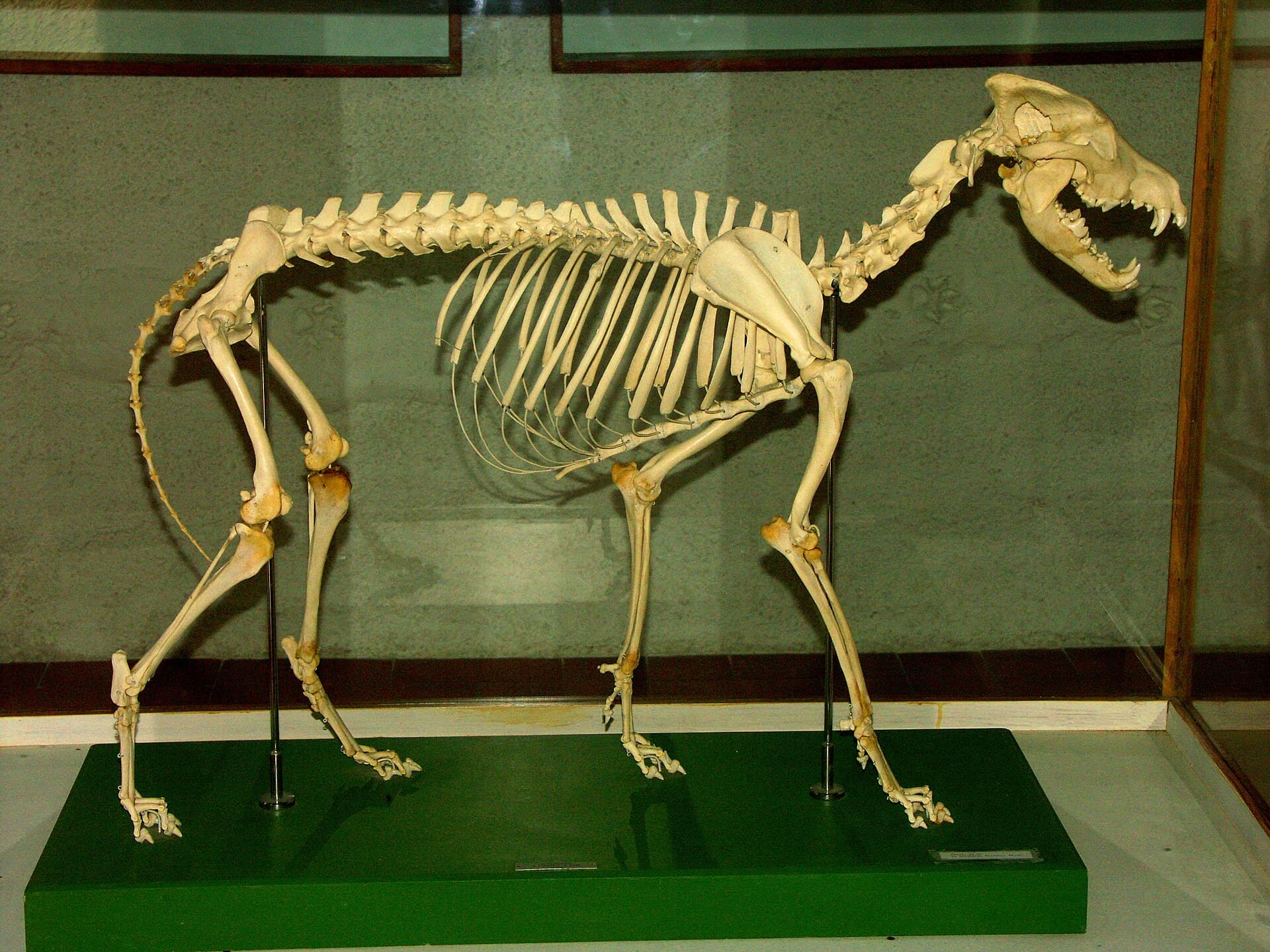
Displays trace the wolf’s role in local folklore, its biology, and its interactions with shepherds and farmers. Taxidermy specimens, skeletal mounts, and audio installations recreate howls and pack dynamics. Interactive panels explain radio-collar tracking and livestock-protection methods such as electric fencing and guard dogs. Temporary exhibitions often highlight current research from the nearby national park.
Getting There and Practical Access
The museum lies within easy reach of the A25 motorway and regional train stations at Avezzano or Sulmona. From Rome, the drive takes roughly two hours via the A24 and A25, passing through dramatic limestone gorges. Once in Abruzzo, narrow mountain roads require careful driving, especially after rain. Public buses connect larger towns to trailheads; many visitors combine the museum with a day of hiking.
Best Time to Visit
Late spring and early autumn provide the most comfortable temperatures for exploring both the museum and surrounding trails. Summer brings wildflower meadows and longer daylight but also more visitors to the national park. Winter visits are quieter yet require checking road conditions, as snow can close higher passes.
Nearby Attractions
- Parco Nazionale d’Abruzzo, Lazio e Molise offers marked wolf-watching routes and visitor centers.
- The medieval village of Scanno lies a short drive away, known for its lake and artisan shops.
- Barrea Lake provides scenic boat tours and birdwatching opportunities.
Combining the museum with a half-day hike or village visit creates a balanced itinerary that moves from indoor interpretation to direct experience of the wolf’s habitat.