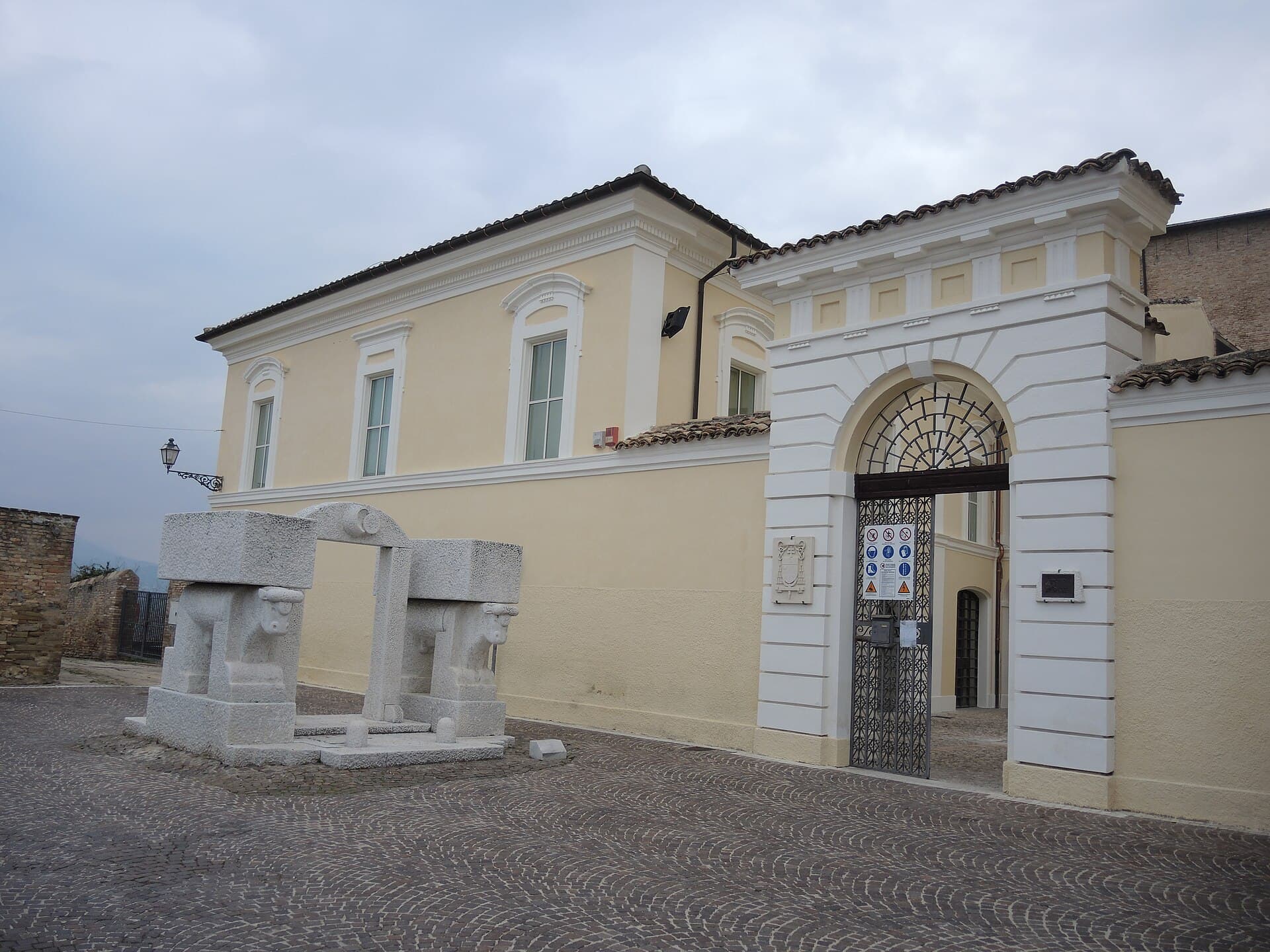
Why Visit the Museo Civico Diocesano
The Museo Civico Diocesano in Atri preserves a layered collection that bridges civic heritage and diocesan treasures. Housed in historic buildings near the town’s Romanesque cathedral, it offers visitors an intimate look at Abruzzo’s artistic and spiritual past without the crowds of larger regional museums.
Highlights of the Collection
Archaeological sections display Roman mosaics, inscriptions, and pottery unearthed locally, illustrating Atri’s ancient roots as the Roman colony Hatria. Upstairs, the diocesan galleries feature medieval and Renaissance paintings, illuminated manuscripts, wooden sculptures, and liturgical silver from churches across the diocese. Standout works include panels by local 15th-century masters and a notable 14th-century crucifix. Rotating displays often spotlight recently restored pieces, revealing details invisible for decades.
Getting There and Practical Planning
Atri lies between Teramo and Pescara; the nearest rail station is Atri-Mutignano on the Adriatic line, followed by a short bus or taxi ride uphill. Drivers can park in lots just outside the historic center and walk a few minutes to the museum entrance. The compact galleries suit a focused two-hour visit, making the site ideal for pairing with the adjacent cathedral and its celebrated fresco cycle.
Best Time to Visit
Spring and early autumn deliver mild weather for wandering Atri’s narrow streets and terraces. Summer visits are possible but plan for midday heat; winter offers quieter galleries and the chance to see the town’s medieval core without tourists.
Nearby Attractions
After the museum, explore the 13th-century Cathedral of Santa Maria Assunta, the Roman amphitheater remains below the town, and the scenic belvedere overlooking the Adriatic and Gran Sasso massif. Nearby villages such as Castiglione Messer Raimondo and Penne provide further day-trip options for those interested in Abruzzo’s hill-town character.